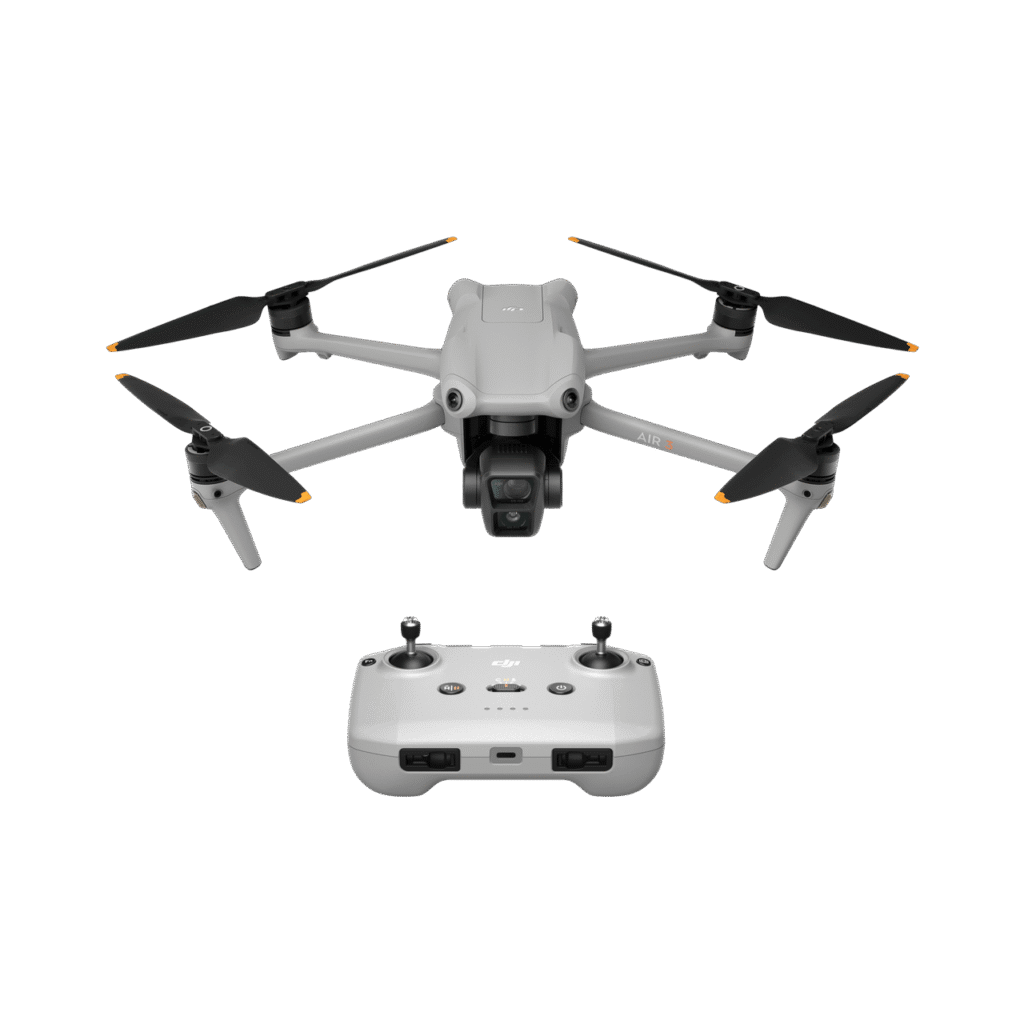
DJI Air 3
N/A
A dual-camera drone with matching 1/1.3-inch sensors.
Best for: Enthusiasts who want a wide and a tele camera without paying for the 3S
- Dual 1/1.3-inch wide and tele cameras
- 46-minute rated flight time
- Omnidirectional obstacle sensing
If image quality comes first, the Mavic 3 Classic is the pick. Its 4/3 CMOS Hasselblad camera with an adjustable f/2.8 to f/11 aperture and 5.1K video at 200 Mbps is a class above the Air models, and it still lists 46 minutes of flight.…
N/A
A dual-camera drone with matching 1/1.3-inch sensors.
Best for: Enthusiasts who want a wide and a tele camera without paying for the 3S
N/A
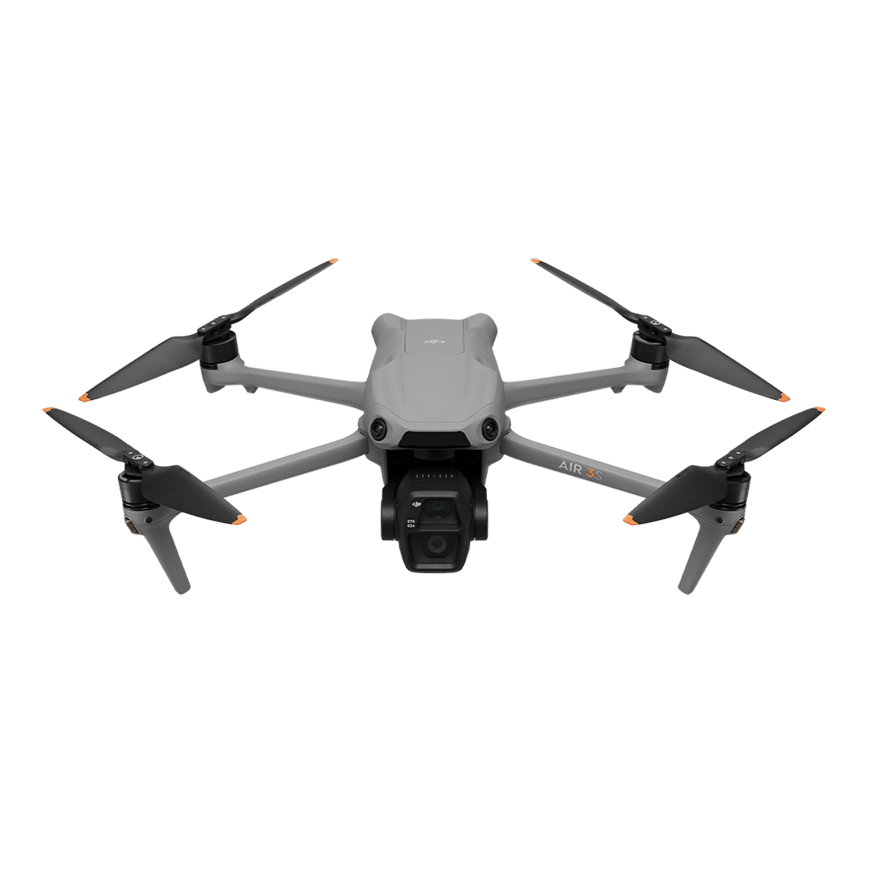
The Air with a 1-inch main sensor and LiDAR-assisted sensing.
Best for: Advanced users who want better image quality and extra obstacle sensing in an Air-size drone
N/A
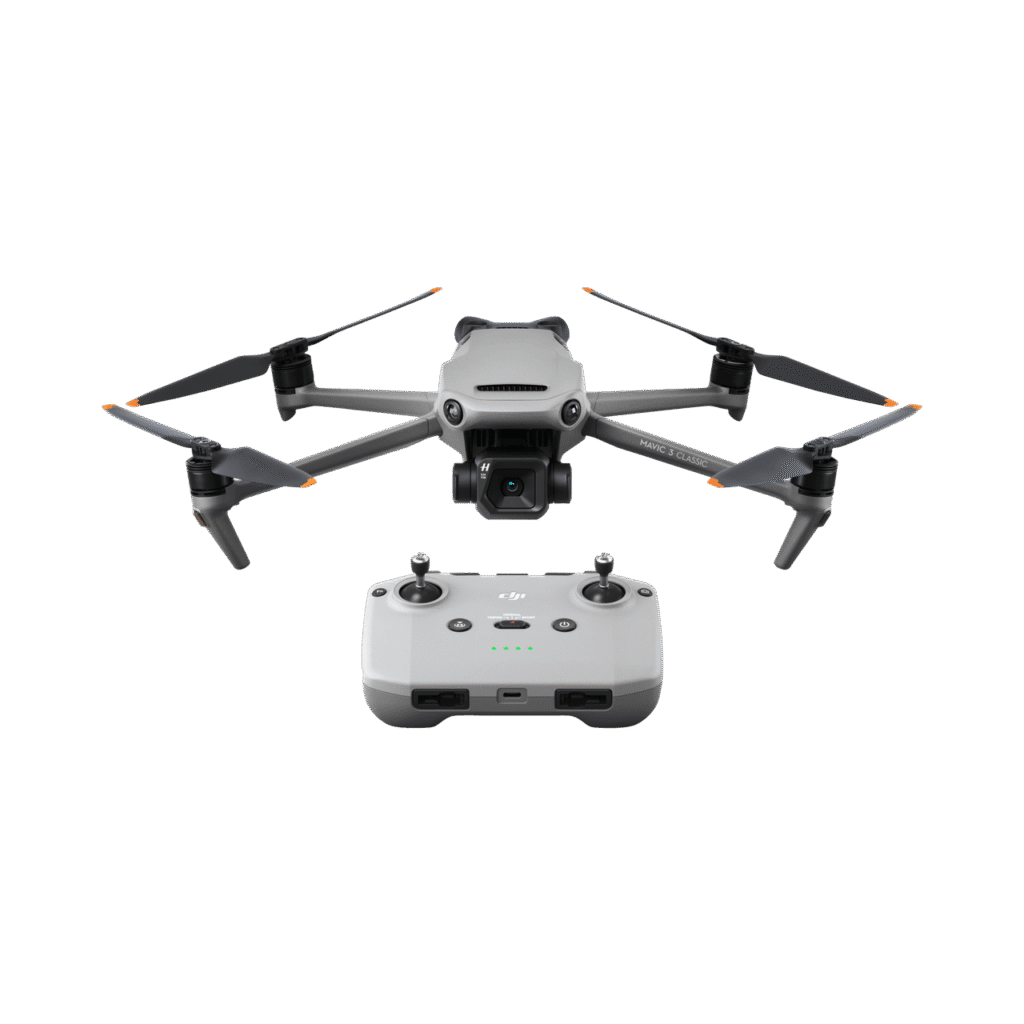
A single 4/3 Hasselblad camera with an adjustable aperture.
Best for: Filmmakers and photographers who put image quality first
| Feature | DJI Air 3 | DJI Air 3S | DJI Mavic 3 Classic |
|---|---|---|---|
| Weight | 720 g | 724 g | 895 g |
| Dimensions | 207 × 100,5 × 91,1 mm (folded) | 214.19 × 100.63 × 89.17 mm (folded) | 221×96.3×90.3 mm (folded) |
| Volume | N/A | N/A | N/A |
| Max Speed | 21 m/s (19 m/s in EU) | 21 m/s (19 m/s in EU) | 21 m/s (19 m/s in EU) |
| Max Flight Distance | 32 km | 32 km | 30 km |
| Sensor Size | Wide-angle: 1/1.3-inch CMOS, Tele: 1/1.3-inch CMOS | Wide-angle: 1-inch CMOS, Tele: 1/1.3-inch CMOS | 4/3 CMOS |
| Megapixels | Wide-angle: 48 MP, Tele: 48 MP | Wide-angle: 50 MP, Tele: 48 MP | 20 MP |
| Max ISO | Video: 12800 (Night), Photo: 6400 (12MP) | Video: 12800 (Normal), Photo: 6400 (12MP) | Video: 12800 (Night), Photo: 6400 |
| Flight Time | 46 minutes | 45 minutes | 46 minutes |
| Max Resolution | 4K/100fps | 4K/120fps | 5.1K/50fps, DCI 4K/120fps |
| Movie Bitrate | 150 MBit/s | 130 Mbit/s | 200 Mbps |
| Field of View | Wide-angle: 82°, Tele: 35° | Wide-angle: 84°, Tele: 35° | 84° |
| Transmission Range | 20 km (FCC) | 20 km (FCC) | 15 km (FCC) |
| Wind Resistance | 12 m/s | 12 m/s | 12 m/s |
| Obstacle Avoidance | Omnidirectional | Omnidirectional + LiDAR | Omnidirectional |
| Battery Power | 4241 mAh | 4276 mAh | 5000 mAh |
| Charge Time | 60-80 minutes | 60-80 minutes | 96 minutes |
| Internal Storage | 8 GB | 42 GB | 8 GB |
| GPS | Yes | Yes | Yes |
| Obstacle Detection | Yes | Yes | Yes |
| Return to Home | Yes | Yes | Yes |
| Removable Battery | Yes | Yes | Yes |
| Shoots RAW | Yes | Yes | Yes |
| HDR Mode | Yes | Yes | Yes |
| Weather Sealed | No | No | No |
| Best For | Enthusiasts who want a wide and a tele camera without paying for the 3S | Advanced users who want better image quality and extra obstacle sensing in an Air-size drone | Filmmakers and photographers who put image quality first |
| Main Camera Sensor Size | 1/1.3-inch CMOS | 1-inch CMOS | 4/3 CMOS |
| Telephoto Camera | Yes (1/1.3-inch CMOS) | Yes (1/1.3-inch CMOS) | No |
| Adjustable Aperture | No | No | Yes (f/2.8-f/11) |
| Obstacle Avoidance System | Omnidirectional | Omnidirectional + LiDAR | Omnidirectional |
| Video Transmission System | O4 | O4 | O3+ |
If image quality comes first, the Mavic 3 Classic is the pick. Its 4/3 CMOS Hasselblad camera with an adjustable f/2.8 to f/11 aperture and 5.1K video at 200 Mbps is a class above the Air models, and it still lists 46 minutes of flight.
The Air 3S is the balanced choice: a 1-inch main sensor, a 1/1.3-inch tele camera, 4K/120fps and omnidirectional sensing backed by LiDAR. The Air 3 is the cheaper way into a dual-camera drone, with two 1/1.3-inch sensors and 46 minutes of rated flight.
The Classic's cost is size: at 895 g it is noticeably heavier than either Air, and it has no telephoto lens.
The real choice here is between the Mavic 3 Classic's single 4/3 camera and the Air models' wide-plus-tele pair. The Air 3 uses two 1/1.3-inch sensors and records 4K/100fps. The Air 3S upgrades the main camera to a 1-inch sensor and 4K/120fps. The Classic has one 4/3 Hasselblad camera recording 5.1K/50fps or DCI 4K/120fps, with an adjustable aperture neither Air offers.
Pick the format before the drone. Casual travel clips won't gain much from the Classic's larger sensor and log workflow, while commercial work that needs 10-bit footage or maximum dynamic range can justify it. If you shoot a lot of compressed, layered scenes, the Air models' tele lens may be worth more than sensor size.
DJI lists 46 minutes for the Air 3 and Mavic 3 Classic and 45 for the Air 3S, with the same 21 m/s top speed (19 m/s in the EU). Weight is the difference: 720 g, 724 g and 895 g. The Classic needs a bigger case and, depending on where you fly, possibly different operating rules, so check the registration rules by weight. Rated flight times fall with wind, cold and battery reserve.
All three have omnidirectional obstacle sensing; the Air 3S adds a forward-facing LiDAR sensor. None of them is collision-proof around thin wires, reflective surfaces or in low light.
My read: for most buyers who aren't selling footage, the Air 3S is the more sensible purchase. The Mavic 3 Classic earns its weight only when image quality from the main camera is the thing you are paying for.
I compare these drones from manufacturer specifications, regulatory filings and documented owner reports. I have not flown them, so flight feel and real-world battery life are not judged here.
This comparison helps buyers choose between DJI Air 3, DJI Air 3S, and DJI Mavic 3 Classic by translating the specification table into camera, flight, safety, workflow and value decisions. Recommendations are matched to user needs rather than based on a single headline number.