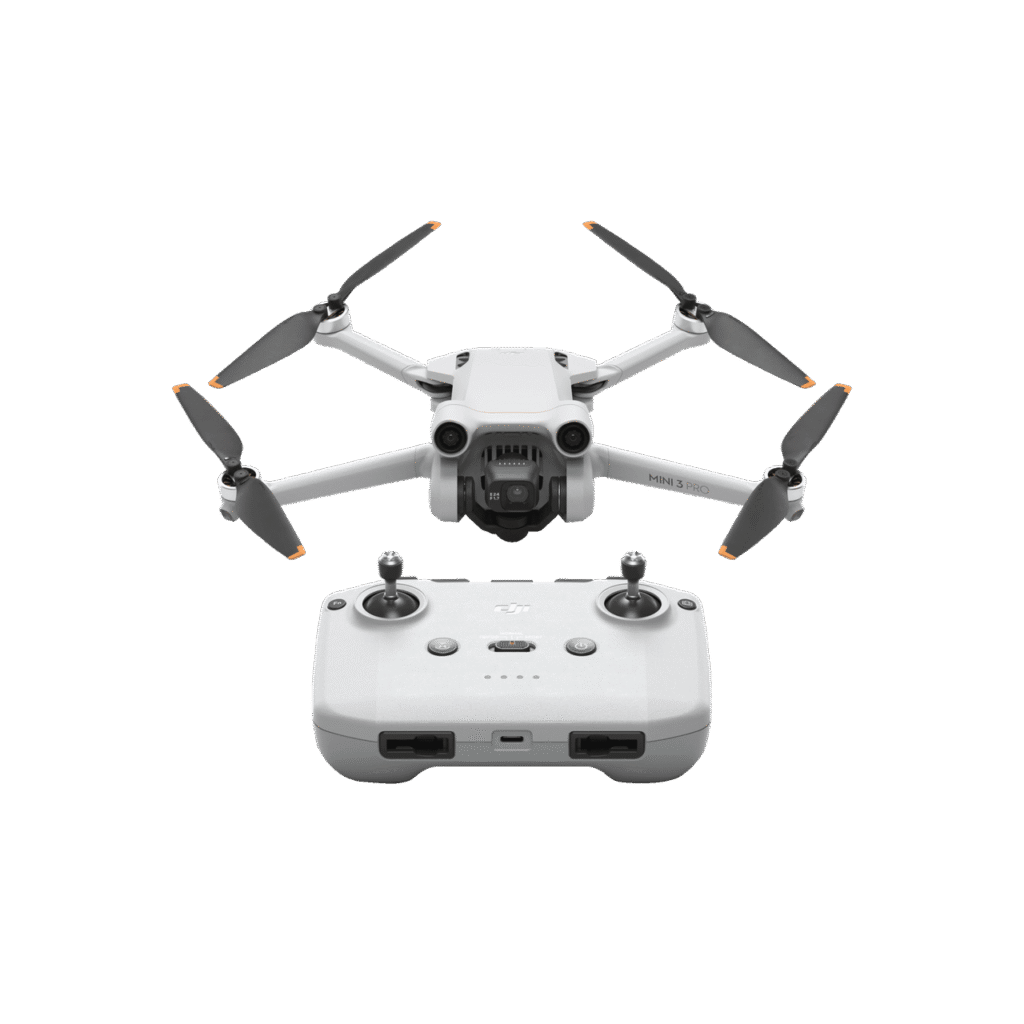
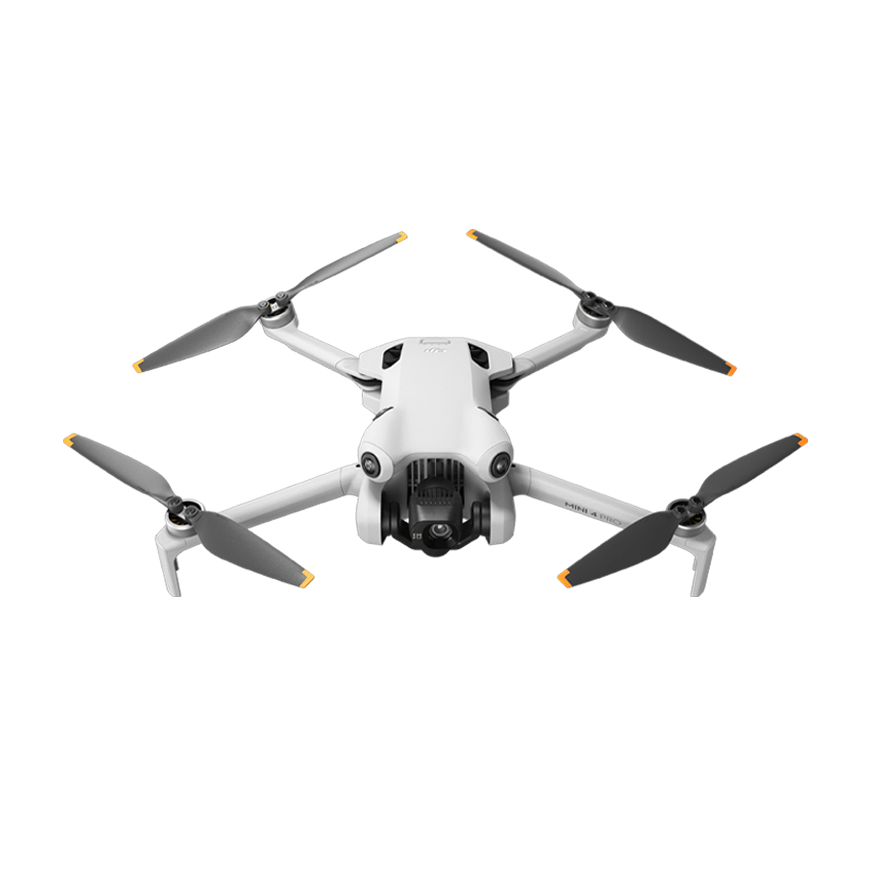
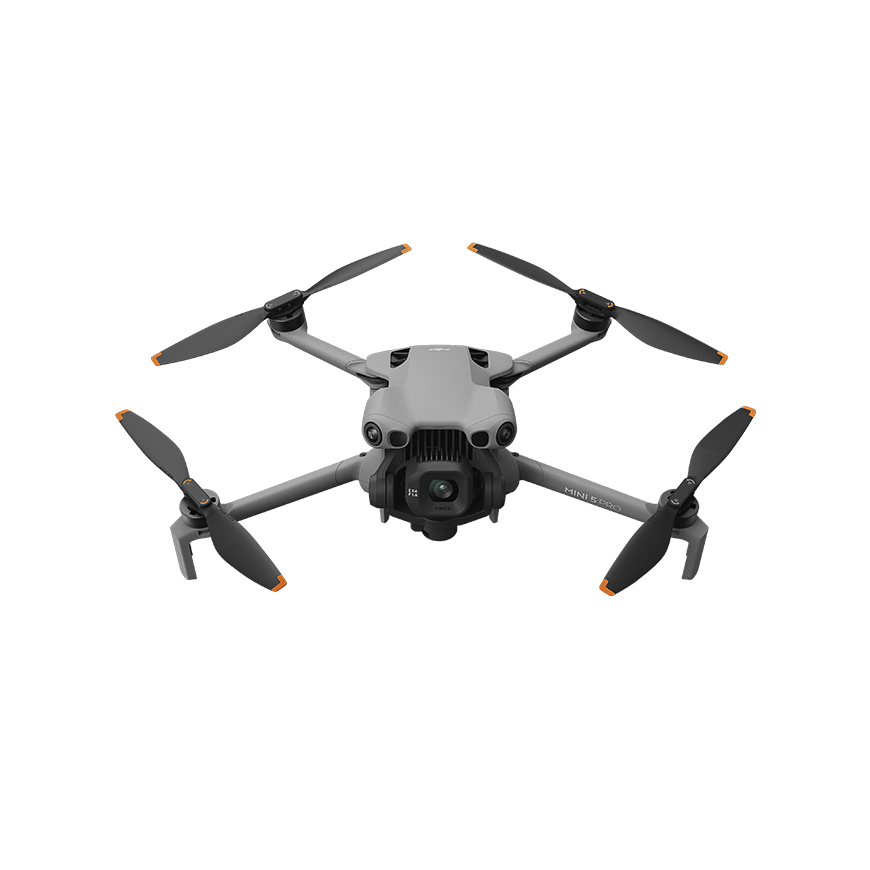
This page compares DJI's published specs. Flight time, speed and range are manufacturer maximums measured in controlled conditions.
The 1-inch sensor is the real upgrade
The Mini 3 Pro and Mini 4 Pro both use a 1/1.3-inch sensor. The Mini 5 Pro moves to a 1-inch sensor with higher ISO capability, which should give it cleaner images in low light. Frame rates step up across the generations: 4K/60fps on the Mini 3 Pro, 4K/100fps on the Mini 4 Pro and 4K/120fps on the Mini 5 Pro. The higher numbers only help if you shoot slow motion or fast subjects.
Obstacle sensing: three directions, all directions, all directions plus LiDAR
The Mini 3 Pro senses in three directions. The Mini 4 Pro added omnidirectional sensing, and the Mini 5 Pro adds a forward-facing LiDAR sensor on top of that. More coverage reduces workload during tracking and return-to-home, but thin wires, reflective surfaces, low light and textureless walls remain hard for any of them.
Flight time, speed and weight
DJI lists the Mini 3 Pro and Mini 4 Pro at 34 minutes and 16 m/s, both under 249 g. The Mini 5 Pro is rated for 36 minutes and 19 m/s at 249.9 g. Using the Intelligent Flight Battery Plus on any of the three takes it over 250 g, which means registration in most regions. Check the rules by weight for your country.
Storage and transmission
Internal storage goes from none on the Mini 3 Pro to 2 GB on the Mini 4 Pro and 42 GB on the Mini 5 Pro. The Mini 4 Pro moved from O3 to O4 transmission, with up to 20 km listed range. Treat that figure as headroom: buildings, trees and radio congestion cut it, and line-of-sight rules still apply.
Is the Mini 5 Pro worth the extra over the Mini 4 Pro?
For paid work, low-light shooting or anyone who wants the most onboard storage, yes. For casual daylight flying, the Mini 4 Pro covers most of what you need for less. For a detailed two-way look, see Mini 5 Pro vs Mini 4 Pro.