DJI Neo 2 vs DJI Flip
If image quality and flight time come first, buy the DJI Flip. Its 1/1.3-inch sensor, 48 MP RAW photos, three-axis gimbal, 150 Mbps bitrate and 31-minute flight time put it well ahead of the Neo 2 as a camera, for $140 more. The Neo 2…
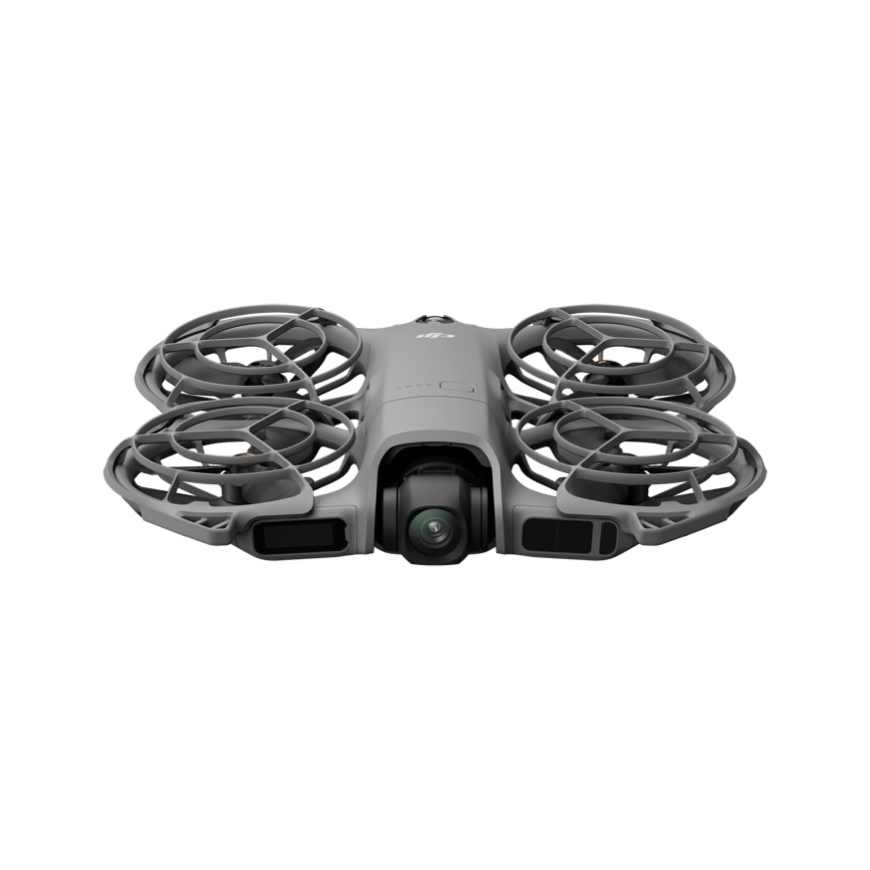
DJI Neo 2
$299
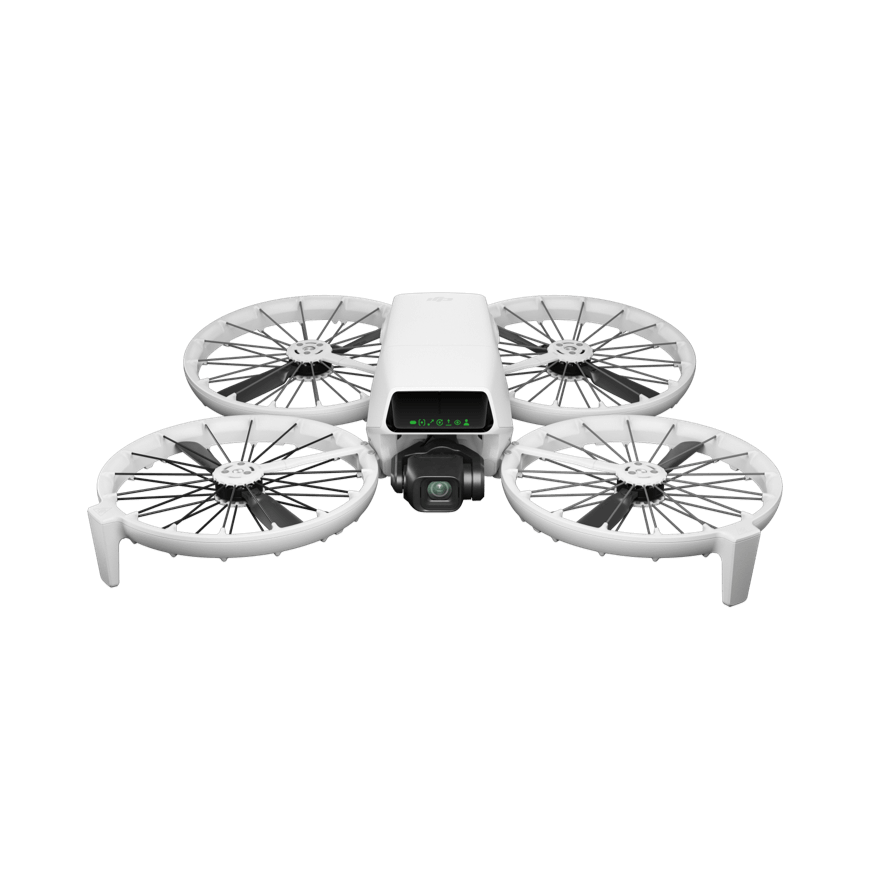
DJI Flip
$439
Technical Specifications
Last updated: Oct 2026| Feature | DJI Neo 2 | DJI Flip |
|---|---|---|
| Weight | 151g | 249g |
| Dimensions | 147×171×41 mm | 233×280×79 mm |
| Volume | 1031 cm³ | 5157 cm³ |
| Max Speed | 12 m/s | 12 m/s |
| Max Flight Distance | 7 km | 14 km |
| Sensor Size | 1/2-inch CMOS | 1/1.3-inch CMOS |
| Megapixels | 12 MP | 48 MP |
| Max ISO | 12800 ISO | 6400 ISO |
| Flight Time | 19 mins | 31 mins |
| Max Resolution | 4K/100fps | 4K/100fps |
| Movie Bitrate | 80 Mbps | 150 Mbps |
| Field of View | 119.8° | 82.1° |
| Transmission Range | 10km (FCC) | 13km (FCC) |
| Wind Resistance | Level 5 (10.7 m/s) | Level 5 (10.7 m/s) |
| Obstacle Avoidance | Omnidirectional + LiDAR | Forward + Downward |
| Battery Power | 1606 mAh | 3110 mAh |
| Charge Time | 1.17 hours | 0.75 hours |
| Internal Storage | 49GB | 2GB |
| GPS | Yes | Yes |
| Obstacle Detection | Yes | Yes |
| Return to Home | Yes | Yes |
| Removable Battery | Yes | Yes |
| Shoots RAW | No | Yes |
| HDR Mode | No | Yes |
| Weather Sealed | Yes | Yes |
| Best For | FPV-style flying and palm launch | Aerial photos and video on a budget |
| Gimbal Axes | 2-axis (Tilt, Roll) | 3-axis (Tilt, Roll, Pan) |
| Aperture | f/2.2 | f/1.7 |
| Lens Equivalent | 16.5mm | 24mm |
| microSD Support | No | Yes (up to 512GB) |
| Video Transmission | WLAN (O4 optional) | O4 (standard) |
The Flip's camera is a full step up
Both record 4K at up to 100fps, but the Flip's 1/1.3-inch sensor with an f/1.7 aperture, 48 MP DNG photos and three-axis gimbal outclass the Neo 2's 1/2-inch sensor, 12 MP JPEGs and two-axis gimbal. For vertical social clips, the Neo 2 shoots 2.7K at 9:16 (1512×2688); the Flip offers 2.7K and Full HD vertical.
The Neo 2 sees more around it
The Neo 2 combines omnidirectional monocular vision with a forward LiDAR and a downward infrared sensor. The Flip has forward 3D infrared sensing and downward vision and infrared sensors only. No sensing system handles thin wires or glass reliably.
FPV is the Neo 2's real reason to exist
The Neo 2 pairs with DJI Goggles 3 and Goggles N3, plus the RC Motion 3 and FPV Remote Controller 3, with latency as low as 50 ms. Its wide 119.8° view suits that style of flying.
Battery and storage
The Flip's 3,110 mAh battery gives 31 minutes against 19 minutes from the Neo 2's 1,606 mAh pack. Storage works the other way: the Neo 2 has 49 GB built in but no card slot, while the Flip has 2 GB and takes microSD cards up to 512 GB. Under EU rules both are sub-250 g, but operator registration can still apply depending on the camera and use; see our registration guide by weight.
DJI Neo 2
Strengths
- Omnidirectional sensing with forward LiDAR
- Works with DJI Goggles 3, Goggles N3 and motion controllers
- 151 g
- 49 GB internal storage
- Wide 119.8° field of view
Drawbacks
- Small 1/2-inch sensor
- 12 MP photos, JPEG only
- 19-minute flight time
- Two-axis gimbal
- No microSD slot
DJI Flip
Strengths
- 1/1.3-inch sensor with an f/1.7 aperture
- 48 MP photos with RAW/DNG
- 31-minute flight time
- Three-axis mechanical gimbal
- O4 transmission up to 13 km
Drawbacks
- Only 2 GB internal storage, so a microSD card is needed
- Forward and downward obstacle sensing only
- Larger than the Neo 2 when unfolded
- Narrower 82.1° field of view
Get the Flip for photos and video, the Neo 2 for FPV
If image quality and flight time come first, buy the DJI Flip. Its 1/1.3-inch sensor, 48 MP RAW photos, three-axis gimbal, 150 Mbps bitrate and 31-minute flight time put it well ahead of the Neo 2 as a camera, for $140 more.
The Neo 2 is the better pick for FPV-style flying and quick palm-launched clips. It weighs 151 g, works with DJI Goggles and has omnidirectional sensing with forward LiDAR, which is more obstacle coverage than the Flip's forward and downward sensors.
Both are C0-class drones under 250 g, so neither has an advantage on weight rules.
Check DJI Flip price on Amazon →Affiliate link. We may earn a commission at no extra cost to you.
Context and limitations
This comparison helps buyers choose between DJI Neo 2 and DJI Flip by translating the specification table into camera, flight, safety, workflow and value decisions. Recommendations are matched to user needs rather than based on a single headline number.
Limitations
The Friday Brief
One email a week on what changed in drones
FCC and FAA rule changes, DJI leaks checked against filings, and the week’s new comparisons. Every Friday, nothing else.
Free. Unsubscribe in one click. Sent with Kit; see our privacy policy.
Follow us on Google too: add Drone Ranker as a preferred source →

Alihan Demirdaş is the founder and editor of Drone Ranker. A software developer by profession, he researches drones the way he reads code: from the primary documents. Every review, comparison and news story on the site is written by him from manufacturer specification sheets, FCC and EU certification filings, aviation-authority rules and dated press releases, with the source linked. Unless a page is labelled hands-on, the analysis is documentary; when an aircraft is in his hands, the page says so and carries his own photographs and flight notes. He covers consumer, professional and agricultural drones and is based in Türkiye.