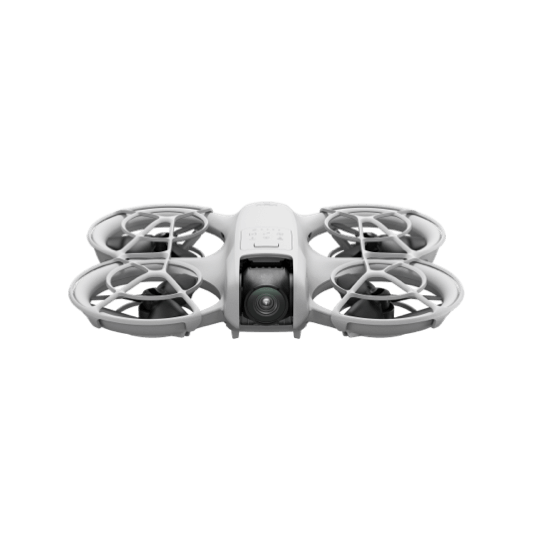
DJI Neo
N/A
A 135 g drone built for FPV flying with goggles.
Best for: FPV flying with DJI Goggles
- Lightest of the three at 135 g
- Manual mode for FPV, up to 16 m/s
- Wide 117.6° field of view
Get the DJI Lito X1 if you want the most capable sub-250 g drone of the three: omnidirectional sensing with LiDAR, 4K/100fps, D-Log M and 42 GB of storage. Get the Mini 3 if you are a beginner on a budget; its 38-minute flight time…
N/A
A 135 g drone built for FPV flying with goggles.
Best for: FPV flying with DJI Goggles
N/A
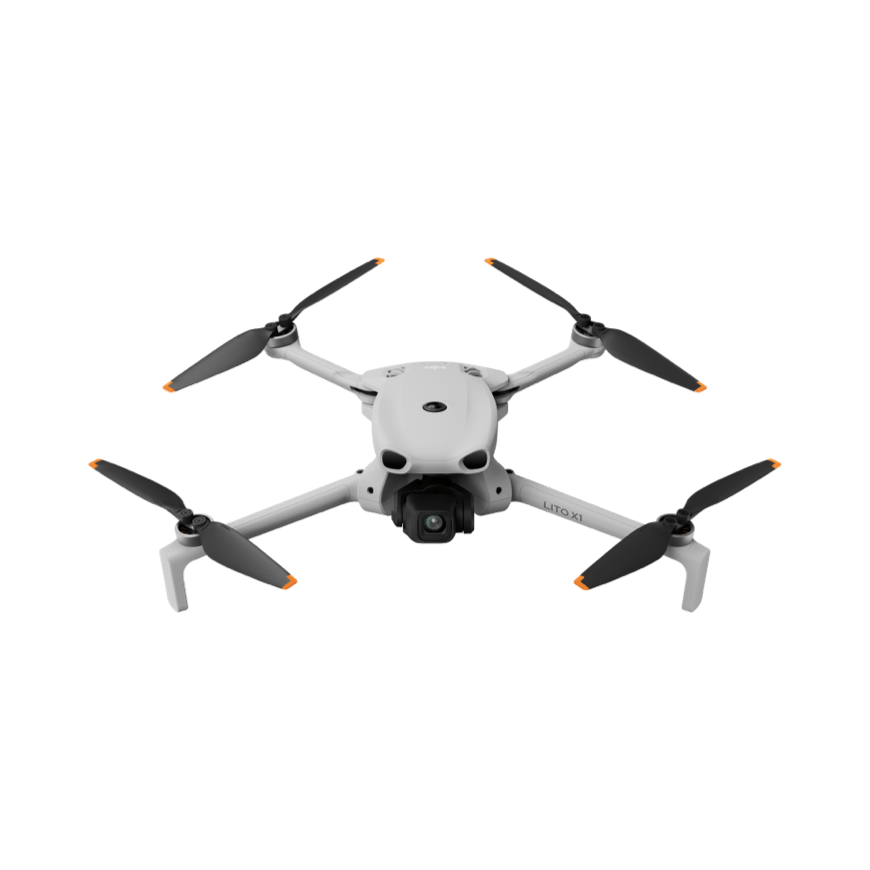
The most capable sub-250 g drone in this group.
Best for: Aerial photo and video work where image quality and safety margins matter
N/A
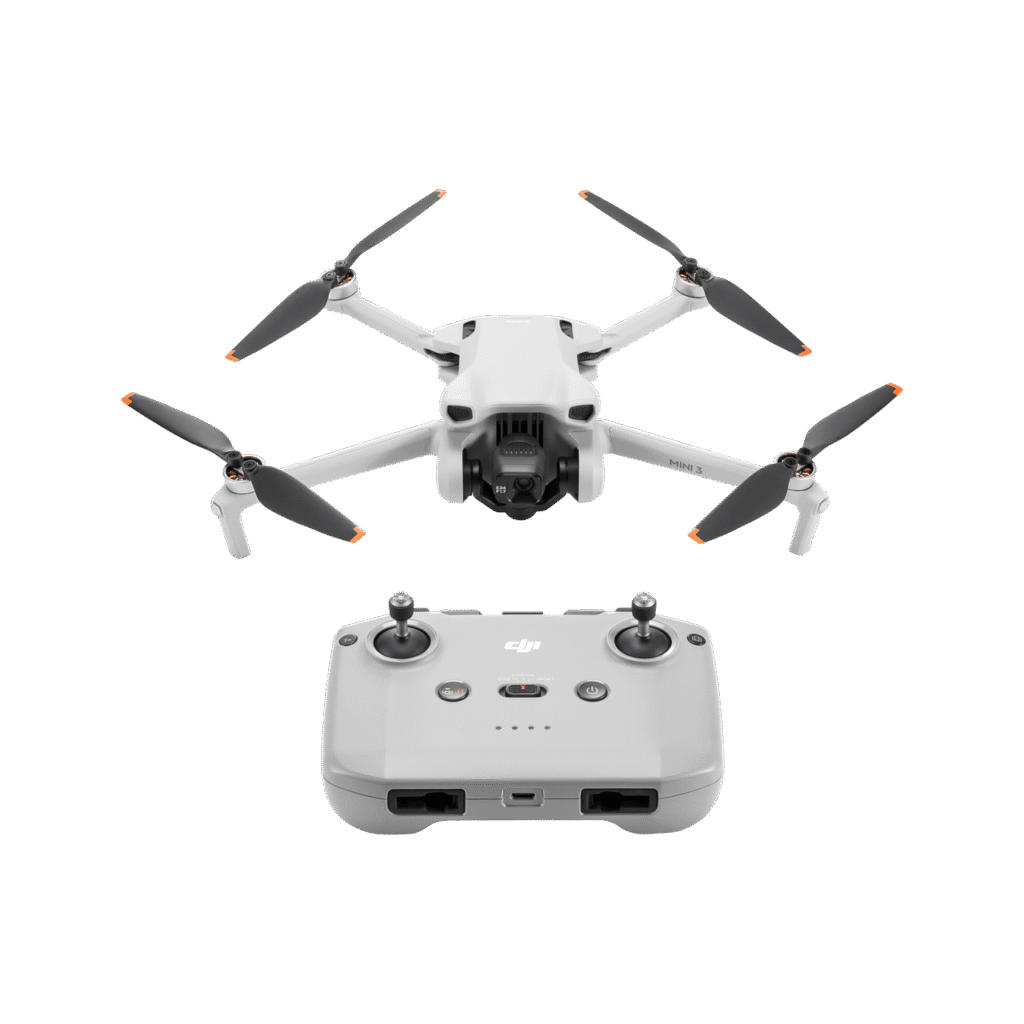
An affordable, long-flying first camera drone.
Best for: Beginners and casual users
| Feature | DJI Neo | DJI Lito X1 | DJI Mini 3 |
|---|---|---|---|
| Weight | 135 g | 249 g | 248 g |
| Dimensions | 130 × 157 × 48.5 mm | 144×94×62 mm (folded) | 148 × 90 × 62 mm (folded) |
| Volume | 986 cm³ | 839 cm³ | 824 cm³ |
| Max Speed | 16 m/s (Manual Mode) | 18 m/s (Sport Mode) | 16 m/s |
| Max Flight Distance | 7 km | 21 km | 18 km |
| Sensor Size | 1/2-inch CMOS | 1/1.3″ CMOS | 1/1.3″ CMOS |
| Megapixels | 12 MP | 48 MP | 48 MP |
| Max ISO | 6400 ISO | 12800 ISO | 3200 ISO |
| Flight Time | 18 mins | 36 mins | 38 mins |
| Max Resolution | 4K (4:3): 3840x2880@30fps | 4K: 3840×2160@100fps | 4K: 3840×2160@30fps |
| Movie Bitrate | 75 Mbit/s | 130 MBit/s | 100 MBit/s |
| Field of View | 117.6° | 82.1° | 82.1° |
| Transmission Range | 10 km (FCC) | 15 km (IC) | 10 km (FCC) |
| Wind Resistance | 8 m/s (Windstärke 4) | 10.7 m/s | 10.7 m/s (Windstärke 5) |
| Obstacle Avoidance | Downward Visual Positioning | Omnidirectional | Downward Vision Sensors |
| Battery Power | 1435 mAh | 2788 mAh | 2453 mAh |
| Charge Time | 50 mins (direct) | 45 mins (charging hub) | 56 mins (charging hub) |
| Internal Storage | 22 GB | 42 GB | - |
| GPS | Yes | Yes | Yes |
| Obstacle Detection | Yes | Yes | Yes |
| Return to Home | N/A | N/A | N/A |
| Removable Battery | Yes | Yes | Yes |
| Shoots RAW | No | Yes | Yes |
| HDR Mode | No | N/A | Yes |
| Weather Sealed | No | No | No |
| Best For | FPV flying with DJI Goggles | Aerial photo and video work where image quality and safety margins matter | Beginners and casual users |
| Gimbal Stabilization | 1-axis (Tilt) | 3-axis (Tilt, Roll, Pan) | 3-axis (Tilt, Roll, Pan) |
| RAW Photo Support | No | Yes (DNG) | Yes (DNG) |
| Video Color Profile | Normal | Normal, D-Log M | Normal |
| Max Video FPS (4K) | 30fps | 100fps | 30fps |
| LiDAR Sensor | No | Yes | No |
Get the DJI Lito X1 if you want the most capable sub-250 g drone of the three: omnidirectional sensing with LiDAR, 4K/100fps, D-Log M and 42 GB of storage. Get the Mini 3 if you are a beginner on a budget; its 38-minute flight time is the longest here and it shoots 4K HDR and RAW photos.
The original Neo is a niche pick. At 135 g it is the lightest and it is built for FPV with DJI Goggles, but it has a single-axis gimbal, JPEG-only photos and an 18-minute flight time.
One catch on weight: the Lito X1 and Mini 3 both have Plus batteries that push them over 250 g, which can change the rules that apply where you fly.
The Lito X1 and Mini 3 both use a 1/1.3-inch sensor, but the Lito X1 records 4K at up to 100fps against 30fps on the Mini 3, and adds D-Log M for color grading. The Neo uses a smaller 1/2-inch sensor and records 4K in a 4:3 frame (3840×2880) at 30fps. Only the Lito X1 and Mini 3 shoot DNG photos.
The Lito X1 has omnidirectional sensing plus forward LiDAR and an infrared sensor. The Neo and Mini 3 have downward sensors only, which help with positioning and landing but do nothing to stop a sideways or forward collision. For a beginner flying near trees, that difference may matter more than the camera.
The listed figures are 18 minutes, 16 m/s (manual mode) and 135 g for the Neo; 36 minutes, 18 m/s (Sport mode) and 249 g for the Lito X1; and 38 minutes, 16 m/s and 248 g for the Mini 3. Both bigger drones stay under 250 g only with their standard batteries. Check our registration rules by weight before choosing a Plus battery.
For a closer look at two of these, see Lito X1 vs Lito 1 vs Mini 3.
I compare these drones from manufacturer specifications, regulatory filings and documented owner reports. I have not flown them, so flight feel and real-world battery life are not judged here.
This comparison helps buyers choose between DJI Neo, DJI Lito X1, and DJI Mini 3 by translating the specification table into camera, flight, safety, workflow and value decisions. Recommendations are matched to user needs rather than based on a single headline number.