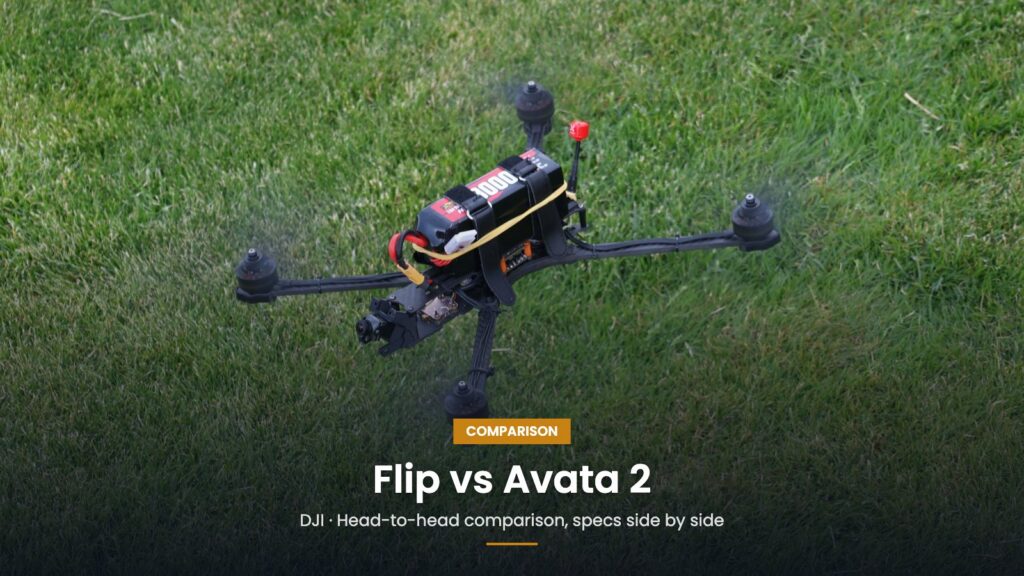
DJI Flip vs DJI Avata 2
Most buyers should get the DJI Flip. It is the better camera drone on paper (48 MP, f/1.7, 31 minutes rated), it stays under 249 g so recreational pilots in the US skip registration, and it needs no goggles. The Avata 2 is the right…
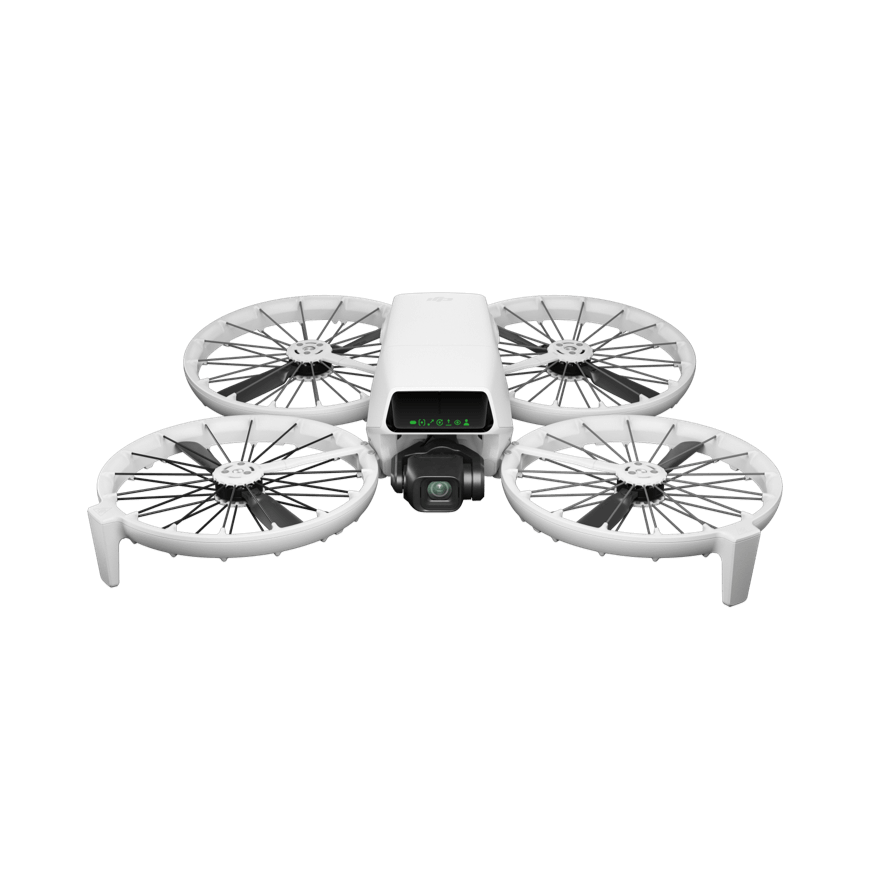
DJI Flip
$439 at launch (RC-N3)
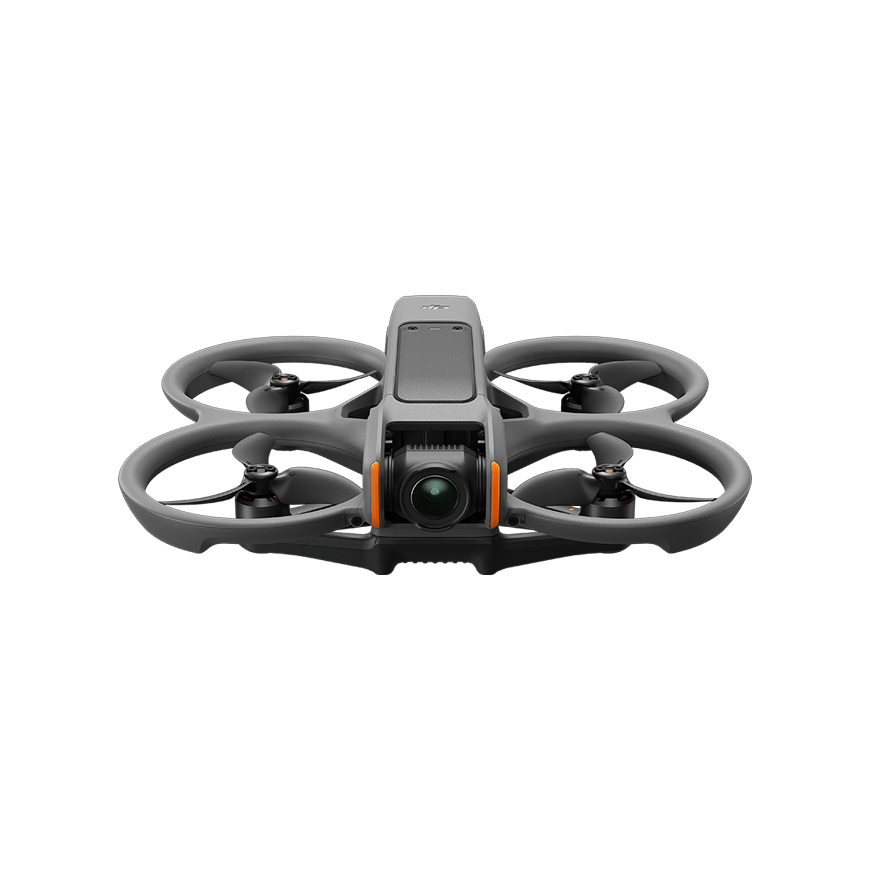
DJI Avata 2
$999 at launch (Fly More Combo, one battery)
Technical Specifications
Last updated: Oct 2026| Feature | DJI Flip | DJI Avata 2 |
|---|---|---|
| Weight | Under 249 g | Approx. 377 g |
| Dimensions | 136×62×165 mm folded | 185×212×64 mm |
| Volume | 1,391 cm³ folded | 2,511 cm³ |
| Max Speed | 16 m/s (Sport) | 27 m/s (Manual mode; 19 m/s EU limit) |
| Max Flight Distance | 13 km (FCC) / 8 km (CE) video range | 13 km (FCC) / 10 km (CE) video range |
| Sensor Size | 1/1.3-inch CMOS | 1/1.3-inch CMOS |
| Megapixels | 48 MP | 12 MP |
| Max ISO | 6400 ISO (Normal) | 6400 ISO (Normal) |
| Flight Time | 31 mins | 23 mins |
| Max Resolution | 4K/100fps | 4K/100fps |
| Movie Bitrate | 150 Mbps | 130 Mbps |
| Field of View | 82.1° | 155° |
| Transmission Range | 13 km (O4, FCC) | 13 km (O4, FCC) |
| Wind Resistance | Level 5 (10.7 m/s) | Level 5 (10.7 m/s) |
| Obstacle Avoidance | Forward 3D infrared + downward | Downward and backward visual positioning only |
| Battery Power | 3110 mAh (22.3 Wh) | 2150 mAh (31.7 Wh) |
| Charge Time | About 70 mins (30 W) | Two-way charging hub (time not stated) |
| Internal Storage | 2 GB | 46 GB |
| GPS | Yes | Yes |
| Obstacle Detection | Yes | No |
| Return to Home | Yes | Yes |
| Removable Battery | Yes | Yes |
| Shoots RAW | Yes | Yes |
| HDR Mode | Yes | Yes |
| Weather Sealed | No | No |
| Best For | Beginners, vloggers and travelers who want a guarded camera drone without registration | Pilots who want first-person flying and fast footage close to objects |
| Lens aperture | f/1.7 | f/2.8 |
| Flight view | Phone or DJI RC 2 screen | Goggles 3 (FPV) |
| US registration (recreational) | Exempt under 250 g | Required (377 g), Remote ID built in |
| EU class mark | C0 | C1 |
| Service ceiling | 3,000 m | 5,000 m |
Same guards, opposite jobs
Both are small DJI drones with fully enclosed propellers, pitched at people who worry about crashing. The Flip's guards fold flat so a 249 g camera drone fits in a pocket and can fly near people. The Avata 2's ducted frame lets a 377 g FPV drone bounce off a branch at speed, right itself with turtle mode and carry on. Put simply, the Flip avoids obstacles and the Avata 2 survives them.
Camera: 48 MP and f/1.7 against a 155° FPV lens
The sensors are the same 1/1.3-inch size, so the difference is the lens and readout. The Flip has a 48 MP quad-Bayer mode, f/1.7, an 82.1° field of view and up to 150 Mbps in 4K at 100 fps. The Avata 2 is fixed at 12 MP, f/2.8 and 155°, at up to 130 Mbps, also with 4K at up to 100 fps.
For scenery, portraits and anything you plan to crop, the Flip is the photo tool. For footage that puts the viewer inside a moving frame, the Avata 2's ultra-wide lens and RockSteady stabilization are the point, and the Flip cannot copy that look.
Battery, speed and range
DJI rates the Flip at 31 minutes from a 3110 mAh, 22.3 Wh battery and the Avata 2 at 23 minutes from a 2150 mAh, 31.7 Wh pack. Those are windless maximums. The Avata 2 is heavier and FPV flying is rarely gentle, so expect well under 20 minutes per battery in Manual mode.
Speed goes the other way: 27 m/s (about 97 km/h) for the Avata 2 in Manual mode, capped at 19 m/s under EU rules, against 16 m/s for the Flip in Sport mode. Both use O4 transmission rated at 13 km in FCC regions; the CE figures are 8 km for the Flip and 10 km for the Avata 2.
Obstacle sensing
Only the Flip senses obstacles ahead, with a 3D infrared system DJI rates from 0.3 to 8 m, plus downward visual and infrared sensors for landing. Nothing covers the sides, rear or top. The Avata 2's downward and backward sensors are positioning aids; DJI does not describe them as obstacle avoidance, and they will not stop the drone flying forward into something.
Registration and where you can fly
- United States: recreational drones under 0.55 lb (250 g) are exempt from FAA registration, which covers the Flip with its standard battery. The Avata 2 must be registered and broadcast Remote ID, which it does natively. Commercial use of either requires Part 107 registration.
- European Union: the Flip is C0 and flies in subcategory A1. The Avata 2 is C1, which also allows A1 flight but requires operator registration, the A1/A3 online training and the 19 m/s firmware limit.
- Flying with goggles generally requires a visual observer in both places, because the pilot has no unaided line of sight. The Flip does not raise that issue.
The Avata 2 costs more than its price tag
At launch the Flip started at $439 with the RC-N3, $639 with the DJI RC 2 and $779 for the Fly More Combo. The Avata 2 was $489 for the aircraft alone, $999 for the Fly More Combo with Goggles 3, RC Motion 3 and one battery, or $1,199 with three batteries. The aircraft-only price is misleading, because the drone only makes sense with goggles. Both models were affected by DJI's 2025 US price increases, so check current listings.
As of October 2026 both remain on sale in the US, since both received FCC authorization before the 22 December 2025 Covered List decision. For a vlogger the Flip is the obvious pick: palm launch, ActiveTrack, QuickShots, vertical shooting and 48 MP stills, in a drone that fits a jacket pocket. See also our longer Flip vs Avata 2 article and the US drone ban checker.
DJI Flip
Strengths
- Under 249 g with the standard battery, so US recreational pilots skip FAA registration
- 48 MP stills and 4K/100fps from a 1/1.3-inch sensor with an f/1.7 lens
- 31-minute rated flight time, eight minutes more than the Avata 2
- Forward 3D infrared sensing, palm launch, ActiveTrack and QuickShots
- Full-coverage propeller guards that fold flat
Drawbacks
- No FPV view; it is flown from a phone or the DJI RC 2 screen
- Only 2 GB of internal storage, so a microSD card is essential
- No side, rear or upward obstacle sensing
- 16 m/s top speed, well below the Avata 2 in Manual mode
DJI Avata 2
Strengths
- FPV flight through the Goggles 3 with head tracking and a 155° field of view
- 27 m/s in Manual mode and Easy ACRO flips, rolls and drifts with the RC Motion 3
- 46 GB of internal storage and a turtle mode to flip back over after a crash
- Ducted frame with an integrated propeller guard
Drawbacks
- 377 g means FAA registration and Remote ID in the US, and C1 rules in the EU
- 12 MP stills and a fixed 155° lens make it a weak photo drone
- 23-minute rated flight time
- No forward obstacle sensing; the rear and downward sensors are for positioning
- Goggles and a motion controller are needed, which raises the real cost
Get the Flip unless you want to fly through goggles
Most buyers should get the DJI Flip. It is the better camera drone on paper (48 MP, f/1.7, 31 minutes rated), it stays under 249 g so recreational pilots in the US skip registration, and it needs no goggles. The Avata 2 is the right choice only if immersive first-person flight is the whole point.
The two share propeller guards and little else. The Avata 2 is flown through the Goggles 3, reaches 27 m/s in Manual mode and does Easy ACRO moves with the RC Motion 3. It also weighs 377 g, shoots 12 MP stills through a fixed 155° lens, lasts 23 minutes and has no forward obstacle sensing.
If FPV is what you want, the Flip is not a substitute at all. It is a different hobby, not a different trim level.
Check DJI Flip price on Amazon →Affiliate link. We may earn a commission at no extra cost to you.
Context and limitations
This comparison helps buyers choose between the DJI Flip and the DJI Avata 2 by separating the camera-drone use case from the FPV use case. The Flip is recommended for photos, tracking shots and registration-light flying under 250 g; the Avata 2 only for pilots who want immersive first-person flight. Rewritten 4 October 2026 with current FCC/US availability context.
Limitations
Specification-based editorial analysis, not matched hands-on flight testing. Manufacturer maximums use controlled conditions; prices quoted are launch prices and have changed with DJI's 2025 US price increases. EU class marks and the 19 m/s EU speed limit are taken from DJI documentation; registration and FPV observer rules vary by country and can change.
The Friday Brief
One email a week on what changed in drones
FCC and FAA rule changes, DJI leaks checked against filings, and the week’s new comparisons. Every Friday, nothing else.
Free. Unsubscribe in one click. Sent with Kit; see our privacy policy.
Follow us on Google too: add Drone Ranker as a preferred source →

Alihan Demirdaş is the founder and editor of Drone Ranker. A software developer by profession, he researches drones the way he reads code: from the primary documents. Every review, comparison and news story on the site is written by him from manufacturer specification sheets, FCC and EU certification filings, aviation-authority rules and dated press releases, with the source linked. Unless a page is labelled hands-on, the analysis is documentary; when an aircraft is in his hands, the page says so and carries his own photographs and flight notes. He covers consumer, professional and agricultural drones and is based in Türkiye.