Drone Ranker

DJI Lito X1 vs DJI Mini 3 vs DJI Lito 1 vs DJI Mini 4 Pro

Of these four sub-250 g DJI drones, the Mini 4 Pro is the one I'd pick for most people who shoot video seriously. It pairs omnidirectional sensing with 4K/100fps, 10-bit D-Log M and HLG, true vertical shooting and the longest listed range here (20 km…

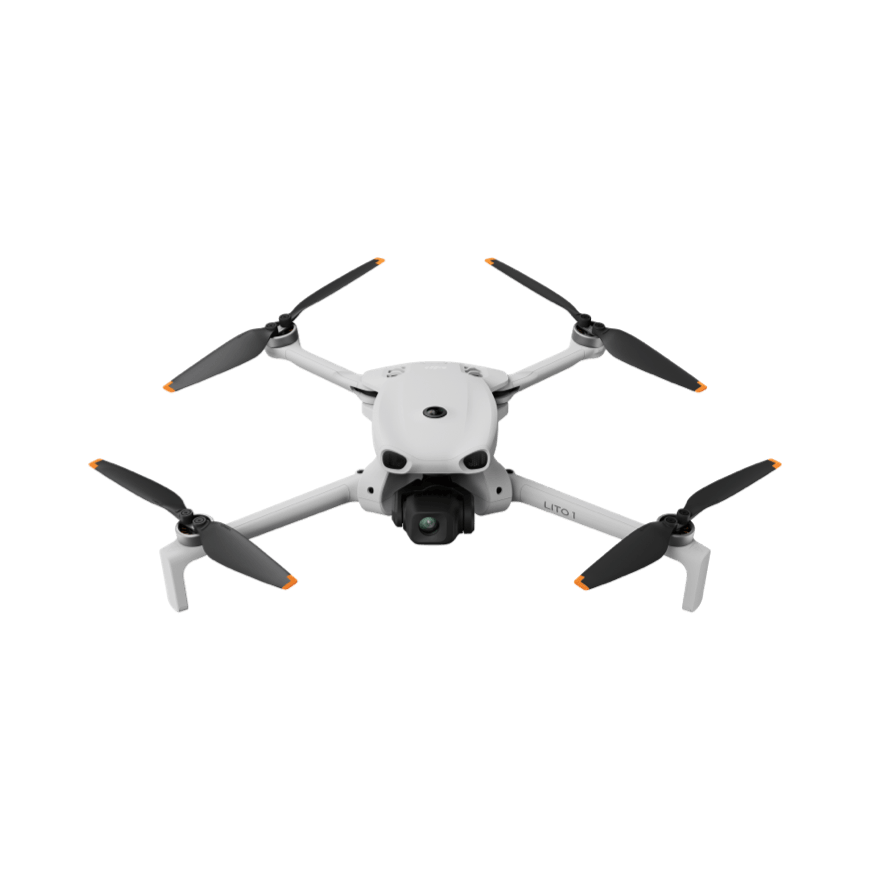
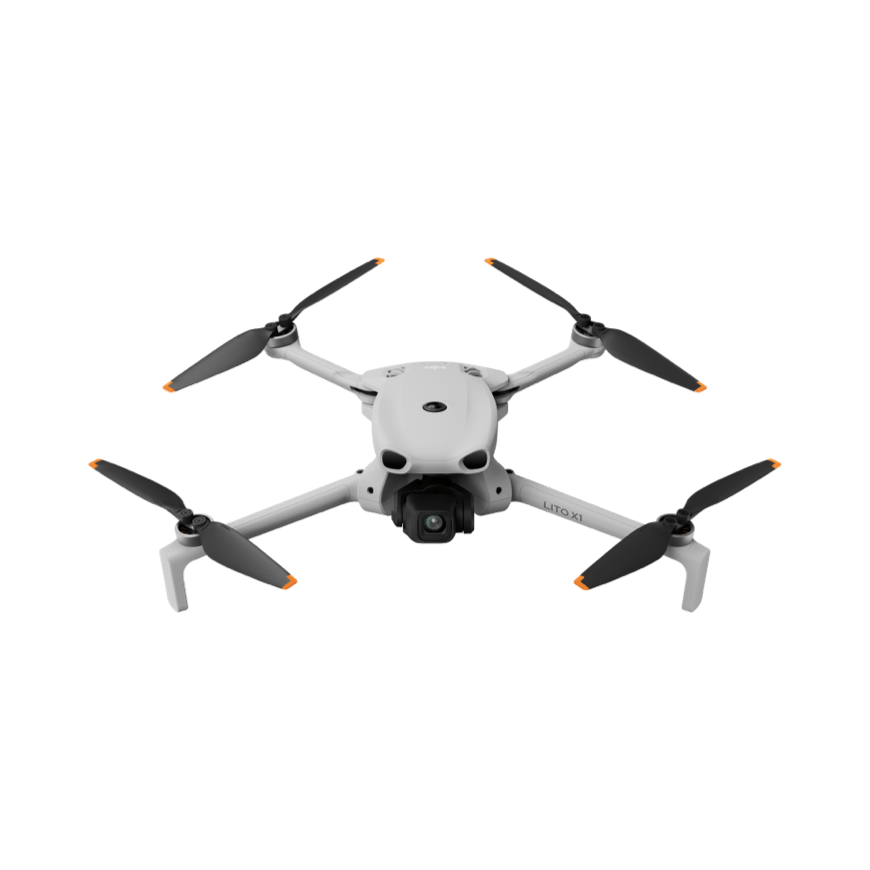
DJI Lito X1

DJI Lito X1

N/A

A compact drone with LiDAR sensing and lots of onboard storage.

Best for: Buyers who want full obstacle sensing and long flights with the Plus battery

  • Omnidirectional sensing with a forward LiDAR
  • 42 GB internal storage, the most of the four
  • 1/1.3-inch sensor with 4K/100fps
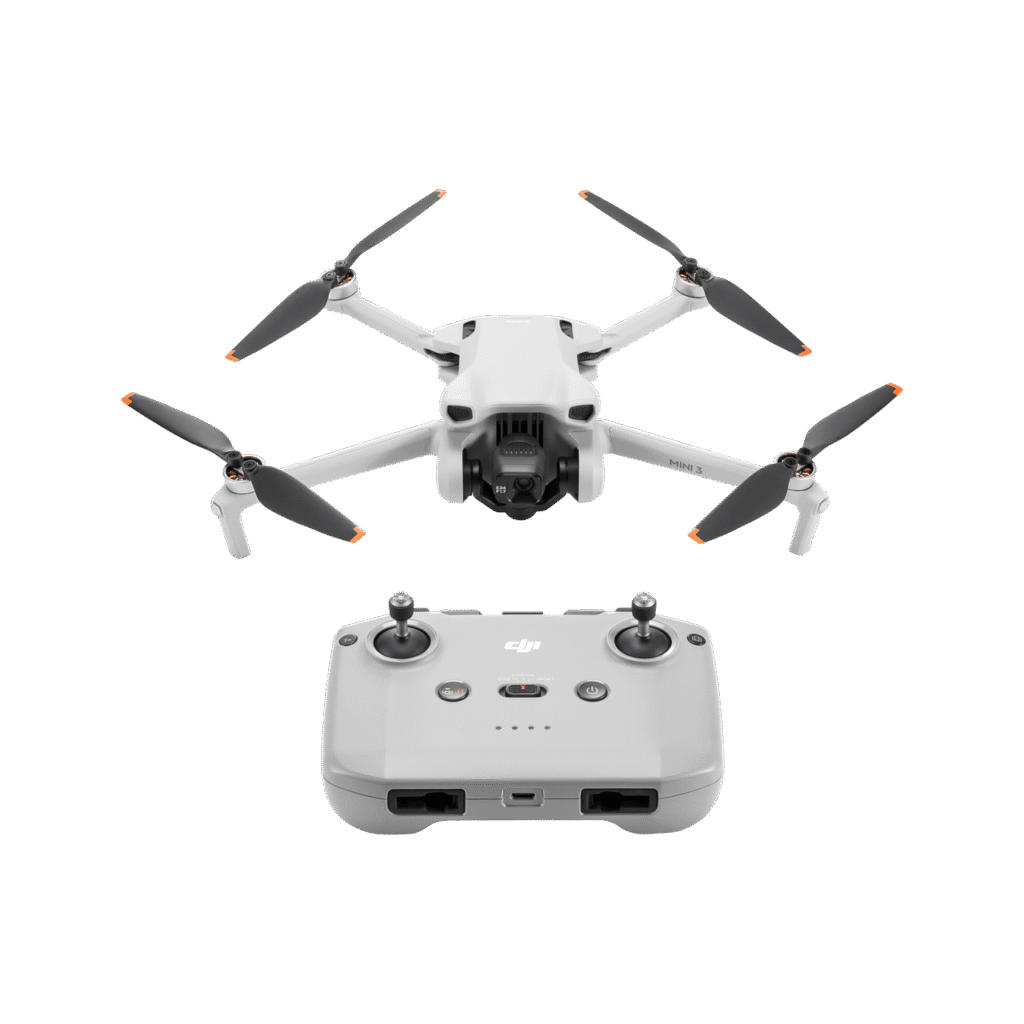
DJI Mini 3

DJI Mini 3

N/A

The simple, light entry point.

Best for: Beginners and casual users on a budget

  • Lightest of the four at 248 g
  • 38 minutes on the standard battery, 51 with the Plus
  • 1/1.3-inch sensor with 48 MP photos and HDR video
DJI Lito 1

DJI Lito 1

N/A

Full obstacle sensing on a smaller sensor.

Best for: Enthusiasts who want omnidirectional sensing without paying for a bigger sensor

  • Omnidirectional sensing
  • 4K/100fps and 10-bit D-Log M
  • Up to 52 minutes with the Plus battery
Our pick
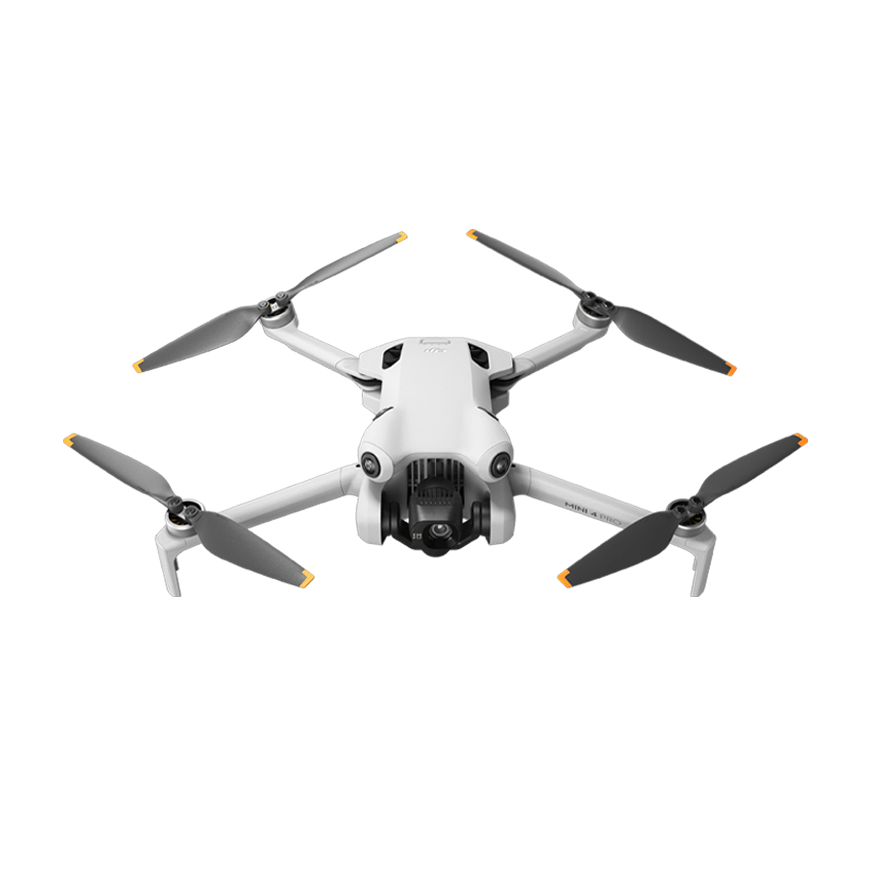
DJI Mini 4 Pro

DJI Mini 4 Pro

N/A

The most complete video package in the group.

Best for: Creators who want 10-bit video, true vertical and long range in a sub-250 g drone

  • Omnidirectional dual-vision sensing with 3D infrared
  • 4K/100fps, 10-bit D-Log M and HLG at 150 Mbps
  • 20 km FCC range on O4, the longest here
Side by side

Technical Specifications

Swipe horizontally on small screens
Feature DJI Lito X1DJI Mini 3DJI Lito 1DJI Mini 4 Pro
Weight 249 g 248 g 249 g 249 g
Dimensions 144×94×62 mm 148 × 90 × 62 mm 149 × 94 × 62 mm 148 × 94 × 64 mm
Volume 838 cm³ 824 cm³ 869 cm³ 893 cm³
Max Speed 18 m/s 16 m/s 18 m/s 16 m/s
Max Flight Distance 21 km 18 km 20 km 18 km
Sensor Size 1/1.3″ CMOS 1/1.3″ CMOS 1/2-inch CMOS 1/1.3 inch CMOS
Megapixels 48 MP 48 MP 48 MP 48 MP
Max ISO 12800 (Video), 6400 (Photo) 3200 12800 12800 (Night Video), 6400 (Normal Video)
Flight Time 36 minutes 38 minutes 36 minutes 34 minutes
Max Resolution 4K/100fps 4K/30fps 4K/100fps 4K/100fps
Movie Bitrate 130 MBit/s 100 MBit/s 130 MBit/s 150 MBit/s
Field of View 82.1° 82.1° 79° 82.1°
Transmission Range 15 km (IC) 10 km (FCC) 15 km (IC) 20 km (FCC)
Wind Resistance 10.7 m/s 10.7 m/s 10.7 m/s 10.7 m/s
Obstacle Avoidance Omnidirectional (monocular vision sensors, front LiDAR, infrared sensor) Downward vision sensors only Omnidirectional (monocular vision sensors, infrared sensor) Omnidirectional dual vision sensors, 3D infrared sensor
Battery Power 2788 mAh 2453 mAh 2590 mAh 2590 mAh
Charge Time 73 minutes (via drone) 64 minutes (via drone) 73 minutes (via drone) 70 minutes (via drone)
Internal Storage 42 GB N/A N/A 2 GB
GPS Yes Yes Yes Yes
Obstacle Detection Yes Yes Yes Yes
Return to Home Yes Yes Yes Yes
Removable Battery Yes Yes Yes Yes
Shoots RAW Yes Yes Yes Yes
HDR Mode Yes Yes Yes Yes
Weather Sealed No No No No
Best For Buyers who want full obstacle sensing and long flights with the Plus battery Beginners and casual users on a budget Enthusiasts who want omnidirectional sensing without paying for a bigger sensor Creators who want 10-bit video, true vertical and long range in a sub-250 g drone
Obstacle Avoidance Type Omnidirectional (LiDAR + Vision) Downward Vision Omnidirectional (Vision) Omnidirectional (Dual Vision + Infrared)
Video Color Profile 10-bit D-Log M Normal 10-bit D-Log M 10-bit D-Log M / HLG
Max Vertical Video Resolution 2.7K (1512x2688) 2.7K (1512x2688) 2.7K (1512x2688) 4K (True Vertical)
Operating Temperature -10 °C to 40 °C -10 °C to 40 °C 0 °C to 40 °C -10 °C to 40 °C
Video Transmission System O4 O2 O4 O4

DJI Lito X1

Strengths

  • • Omnidirectional sensing with a forward LiDAR
  • • 42 GB internal storage, the most of the four
  • • 1/1.3-inch sensor with 4K/100fps
  • • Up to 52 minutes with the Plus battery

Drawbacks

  • • Plus battery pushes takeoff weight over 250 g
  • • 36-minute standard flight time, below the Mini 3's 38

DJI Mini 3

Strengths

  • • Lightest of the four at 248 g
  • • 38 minutes on the standard battery, 51 with the Plus
  • • 1/1.3-inch sensor with 48 MP photos and HDR video

Drawbacks

  • • Downward sensing only
  • • 4K tops out at 30fps
  • • No internal storage
  • • O2 link with 10 km range

DJI Lito 1

Strengths

  • • Omnidirectional sensing
  • • 4K/100fps and 10-bit D-Log M
  • • Up to 52 minutes with the Plus battery

Drawbacks

  • • 1/2-inch sensor, the smallest of the four
  • • No internal storage
  • • Operating temperature starts at 0 °C

DJI Mini 4 Pro

Strengths

  • • Omnidirectional dual-vision sensing with 3D infrared
  • • 4K/100fps, 10-bit D-Log M and HLG at 150 Mbps
  • • 20 km FCC range on O4, the longest here
  • • True vertical shooting

Drawbacks

  • • Only 2 GB internal storage
  • • 34 minutes standard flight time, the shortest of the four
  • • Plus battery (45 minutes) not sold in Europe

The Mini 4 Pro is the safest all-round pick of the four

Of these four sub-250 g DJI drones, the Mini 4 Pro is the one I'd pick for most people who shoot video seriously. It pairs omnidirectional sensing with 4K/100fps, 10-bit D-Log M and HLG, true vertical shooting and the longest listed range here (20 km FCC).

The Lito X1 is the close alternative: it also has omnidirectional sensing, adds a forward LiDAR, carries 42 GB of internal storage and reaches 52 minutes with the Plus battery. The Lito 1 has the same 4K/100fps and omnidirectional sensing on a smaller 1/2-inch sensor with no internal storage.

The Mini 3 is the beginner's option. It is the lightest at 248 g and flies 38 minutes on its standard battery, but it only senses downward and tops out at 4K/30fps.

Camera: three 1/1.3-inch sensors and one smaller one

The Lito X1, Mini 3 and Mini 4 Pro all use 1/1.3-inch sensors; the Lito 1 uses a 1/2-inch sensor. Frame rates split the group differently: the Lito X1, Lito 1 and Mini 4 Pro record 4K at up to 100fps, while the Mini 3 stops at 4K/30fps. The Mini 4 Pro adds 10-bit D-Log M and HLG at 150 Mbps, and the two Litos also list 10-bit D-Log M.

Decide on your output first. Casual travel clips rarely need a log workflow; footage you plan to grade or sell is where 10-bit capture earns its keep. A higher frame rate is mainly useful for slow motion and fast movement.

Flight time, speed and the Plus battery catch

On standard batteries the listed figures are 36 minutes and 18 m/s for both Litos (249 g), 38 minutes and 16 m/s for the Mini 3 (248 g), and 34 minutes and 16 m/s for the Mini 4 Pro (249 g). With the optional Plus battery, the Litos reach 52 minutes, the Mini 3 51 and the Mini 4 Pro 45, though the Mini 4 Pro's Plus battery is not sold in Europe.

The catch: a Plus battery takes any of these drones over 250 g, which can bring registration requirements that the standard battery avoids in many regions. Check the registration-by-weight guide before choosing the bigger battery. Rated flight times also fall with wind, cold and a sensible return reserve.

Range: O4 against O2

The Mini 4 Pro lists 20 km (FCC) on O4, against 10 km for the Mini 3 on the older O2 system. O4 is the newer link, with generally better interference resistance and lower latency. Either way, those distances are open-field radio maximums; visual-line-of-sight rules still apply.

Obstacle sensing is the clearest dividing line

The Mini 4 Pro uses omnidirectional dual vision sensors plus a 3D infrared sensor. The Lito X1 is also omnidirectional, with monocular vision sensors, a front LiDAR and an infrared sensor. The Lito 1 is omnidirectional with monocular vision and infrared but no LiDAR. The Mini 3 only senses downward, which is the main reason I'd steer anyone who plans to use tracking or fly near trees away from it.

No sensing system makes a drone collision-proof. Thin wires, reflective surfaces, low light, blank walls and high speed still cause trouble.

Storage

The Lito X1 has 42 GB of internal storage and the Mini 4 Pro 2 GB. The Mini 3 and Lito 1 have none, so a microSD card is required. For more detail, see the Lito X1 vs Mini 4 Pro comparison and the Lito X1 vs Lito 1 vs Mini 3 breakdown.
How this comparison was made

I compare these drones from manufacturer specifications, regulatory filings and documented owner reports. I have not flown them, so flight feel and real-world battery life are not judged here.

Editorial research

Context and limitations

Verified Sep 15, 2026

This comparison helps buyers choose between DJI Lito X1, DJI Mini 3, DJI Lito 1, and DJI Mini 4 Pro by translating the specification table into camera, flight, safety, workflow and value decisions. Recommendations are matched to user needs rather than based on a single headline number.

Limitations