Drone Ranker

DJI Mavic 3 Pro vs DJI Mavic 3 Pro Cine vs DJI Mavic 4 Pro

Most professional buyers should get the Mavic 4 Pro. It has a 100 MP Hasselblad main camera, 6K/60fps, a 50 MP telephoto on a larger sensor, a 51-minute rated flight time, O4+ transmission and LiDAR-assisted sensing. It is also the heaviest and largest of the…

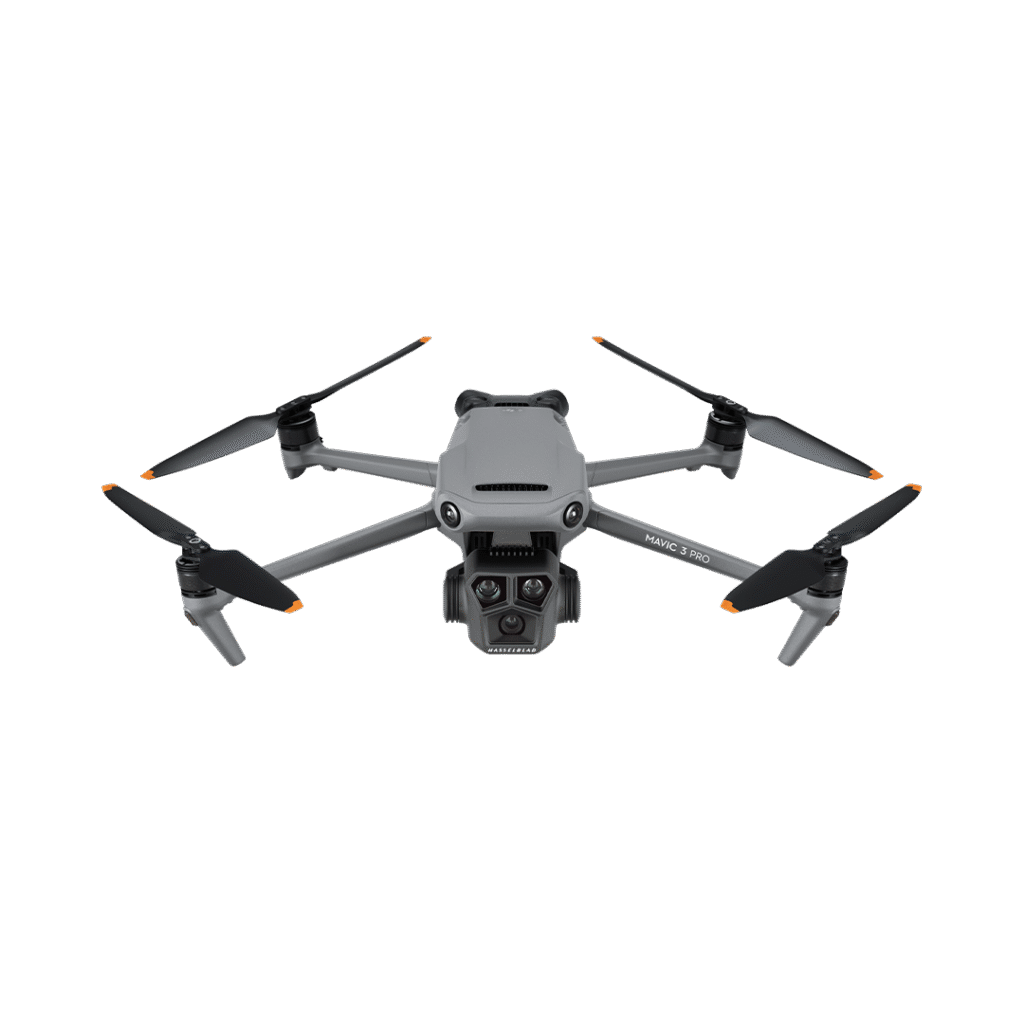
DJI Mavic 3 Pro

DJI Mavic 3 Pro

N/A

The triple-camera Mavic without the Cine extras.

Best for: Creators who want the triple-camera system and record in H.264 or H.265

  • Wide, medium-telephoto and telephoto cameras
  • 4/3 CMOS 20 MP Hasselblad main camera
  • Lightest of the three at 958 g
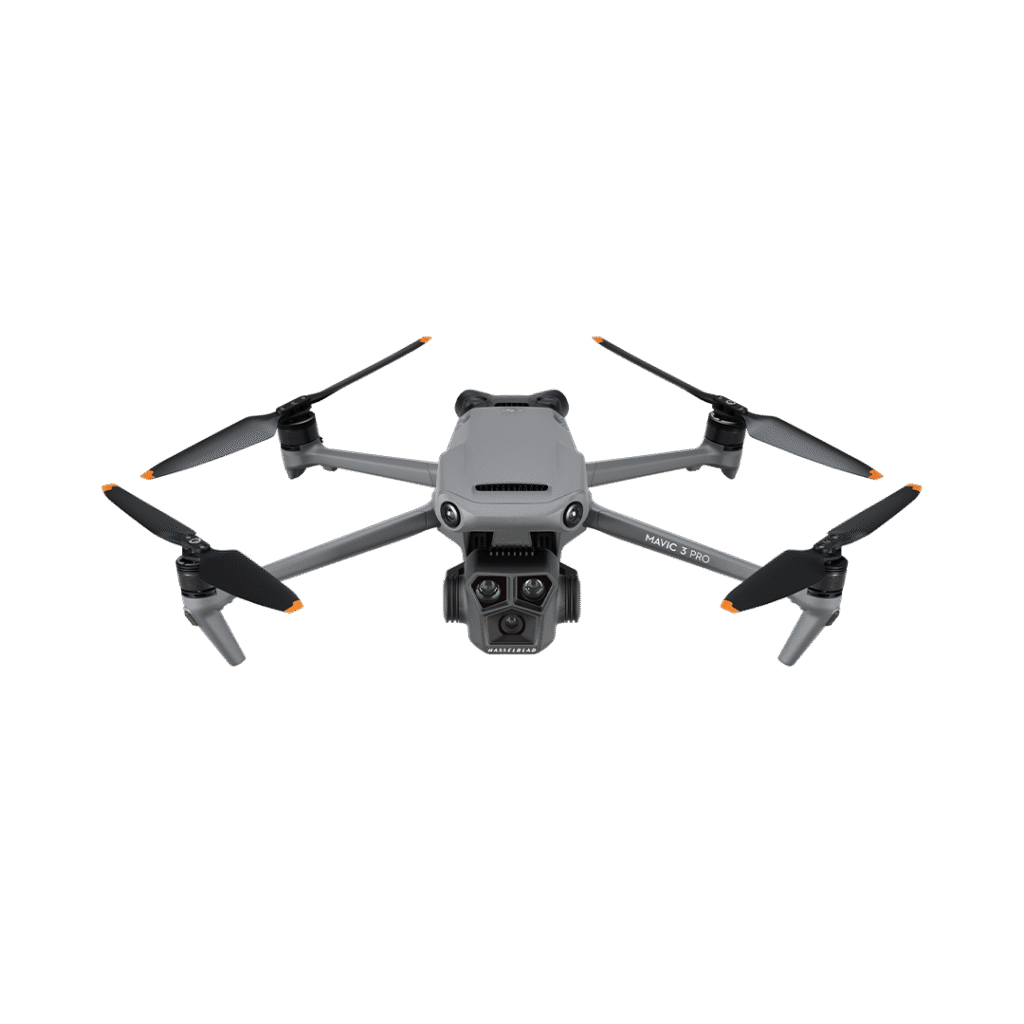
DJI Mavic 3 Pro Cine

DJI Mavic 3 Pro Cine

N/A

The Mavic 3 Pro with ProRes and a 1 TB SSD.

Best for: Productions that require ProRes and a large built-in SSD

  • Apple ProRes 422 HQ, 422 and 422 LT
  • Integrated 1 TB SSD
  • Same triple-camera system as the Mavic 3 Pro
Our pick
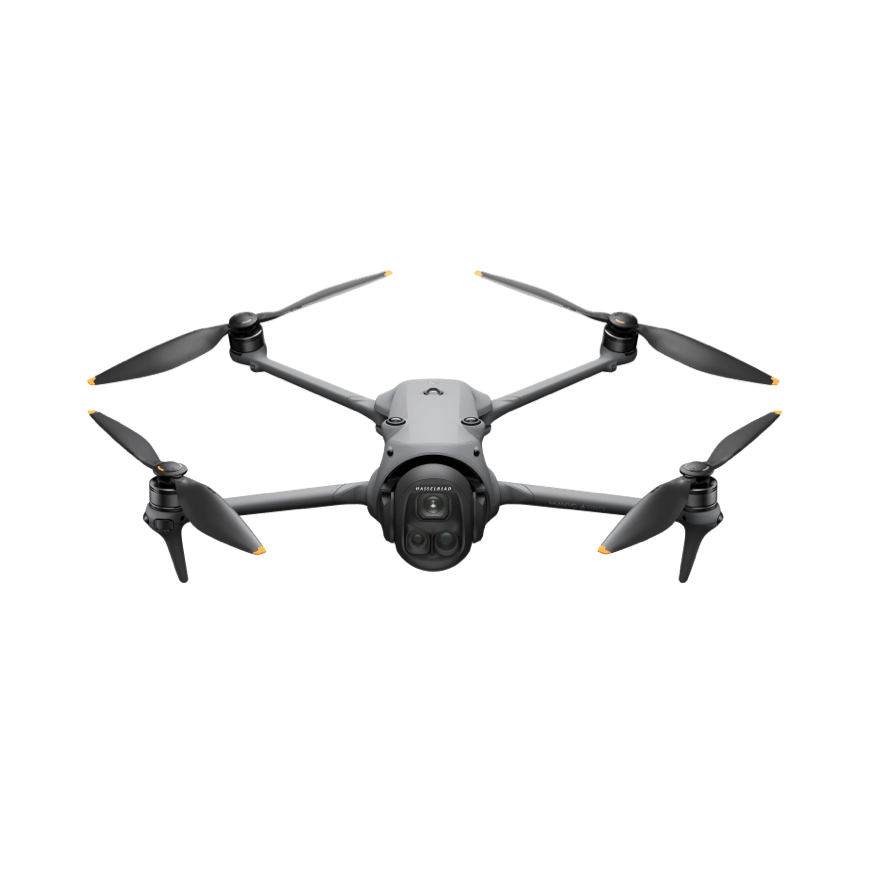
DJI Mavic 4 Pro

DJI Mavic 4 Pro

N/A

Higher-resolution cameras, longer flight time and LiDAR assistance.

Best for: Professionals who want the best camera, endurance and transmission specs of the three

  • 100 MP Hasselblad main camera and 50 MP telephoto
  • 6K/60fps recording
  • 51-minute rated flight time
Side by side

Technical Specifications

Swipe horizontally on small screens
Feature DJI Mavic 3 ProDJI Mavic 3 Pro CineDJI Mavic 4 Pro
Weight 958 g 963 g 1063 g
Dimensions 231.1×98×95.4 mm folded 231.1×98×95.4 mm folded 257.6×124.8×103.4 mm folded without propellers
Volume 2160 cm³ 2160 cm³ 3324 cm³
Max Speed 21 m/s (manufacturer-stated) 21 m/s (manufacturer-stated) 25 m/s (manufacturer-stated)
Max Flight Distance 28 km (manufacturer-stated) 28 km (manufacturer-stated) 41 km (manufacturer-stated)
Sensor Size Hasselblad: 4/3 CMOS; Mid-Tele: 1/1.3-inch CMOS; Tele: 1/2-inch CMOS Hasselblad: 4/3 CMOS; Mid-Tele: 1/1.3-inch CMOS; Tele: 1/2-inch CMOS Hasselblad: 4/3 CMOS; Mid-Tele: 1/1.3-inch CMOS; Tele: 1/1.5-inch CMOS
Megapixels Hasselblad: 20 MP; Mid-Tele: 48 MP; Tele: 12 MP Hasselblad: 20 MP; Mid-Tele: 48 MP; Tele: 12 MP Hasselblad: 100 MP; Mid-Tele: 48 MP; Tele: 50 MP
Max ISO Video: ISO 12,800 in Night mode; Photo: ISO 6,400 Video: ISO 12,800 in Night mode; Photo: ISO 6,400 Video: ISO 12,800; Photo: ISO 6,400
Flight Time 43 minutes (manufacturer-stated) 43 minutes (manufacturer-stated) 51 minutes (manufacturer-stated)
Max Resolution Hasselblad: 5.1K/50fps and 4K/120fps Hasselblad: 5.1K/50fps and 4K/120fps Hasselblad: 6K/60fps and 4K/120fps
Movie Bitrate Up to 200 Mbps in H.264/H.265 Up to 3772 Mbps in Apple ProRes 422 HQ Up to 1200 Mbps H.264 ALL-I on the 512 GB version
Field of View Hasselblad: 84° Hasselblad: 84° Hasselblad: 72°
Transmission Range 15 km under FCC conditions 15 km under FCC conditions 30 km under FCC conditions
Wind Resistance 12 m/s 12 m/s 12 m/s
Obstacle Avoidance Omnidirectional vision sensing Omnidirectional vision sensing Omnidirectional vision sensing with LiDAR assistance
Battery Power 5000 mAh 5000 mAh 6654 mAh
Charge Time Approx. 96 minutes Approx. 96 minutes Approx. 51 minutes with a 240W charger
Internal Storage 8 GB 1 TB SSD 64 GB standard; 512 GB Creator Combo
GPS Yes Yes Yes
Obstacle Detection Yes, omnidirectional vision sensing Yes, omnidirectional vision sensing Yes, omnidirectional vision sensing with LiDAR assistance
Return to Home Yes Yes Yes
Removable Battery Yes Yes Yes
Shoots RAW Yes Yes Yes
HDR Mode Yes Yes Yes
Weather Sealed No official IP rating No official IP rating No official IP rating
Best For Creators who want the triple-camera system and record in H.264 or H.265 Productions that require ProRes and a large built-in SSD Professionals who want the best camera, endurance and transmission specs of the three
Apple ProRes Support No Yes, ProRes 422 HQ, 422 and 422 LT Not listed in the supplied specification set
Main Camera Resolution 20 MP 20 MP 100 MP
Mid-Tele Camera Resolution 48 MP 48 MP 48 MP
Tele Camera Resolution 12 MP 12 MP 50 MP
Tele Camera Sensor 1/2-inch CMOS 1/2-inch CMOS 1/1.5-inch CMOS
Maximum Main-Camera Video 5.1K/50fps 5.1K/50fps 6K/60fps
Maximum 4K Frame Rate 4K/120fps 4K/120fps 4K/120fps
Maximum Listed Bitrate 200 Mbps H.264/H.265 3772 Mbps ProRes 422 HQ 1200 Mbps H.264 ALL-I on 512 GB version
Internal Storage Configuration 8 GB 1 TB SSD 64 GB standard; 512 GB Creator Combo
Transmission System O3+ O3+ O4+
LiDAR Assistance No No Yes
Manufacturer-Stated Flight Time 43 minutes 43 minutes 51 minutes
Manufacturer-Stated Flight Distance 28 km 28 km 41 km
Maximum Speed 21 m/s 21 m/s 25 m/s
Folded Bounding-Box Volume 2160 cm³ 2160 cm³ 3324 cm³

DJI Mavic 3 Pro

Strengths

  • • Wide, medium-telephoto and telephoto cameras
  • • 4/3 CMOS 20 MP Hasselblad main camera
  • • Lightest of the three at 958 g
  • • 5.1K recording and 4K/120fps
  • • Omnidirectional obstacle sensing

Drawbacks

  • • Only 8 GB of internal storage
  • • No Apple ProRes
  • • Lower resolution, range and flight time than the Mavic 4 Pro
  • • No official weather-sealing rating

DJI Mavic 3 Pro Cine

Strengths

  • • Apple ProRes 422 HQ, 422 and 422 LT
  • • Integrated 1 TB SSD
  • • Same triple-camera system as the Mavic 3 Pro
  • • 43-minute rated flight time and omnidirectional sensing

Drawbacks

  • • Costs more than the standard Mavic 3 Pro with no flight advantage
  • • ProRes files need much more storage and faster editing hardware
  • • Mavic 4 Pro has better flight time, speed and transmission
  • • No official weather-sealing rating

DJI Mavic 4 Pro

Strengths

  • • 100 MP Hasselblad main camera and 50 MP telephoto
  • • 6K/60fps recording
  • • 51-minute rated flight time
  • • LiDAR-assisted omnidirectional sensing
  • • O4+ transmission up to 30 km FCC
  • • About 51-minute charge with the 240W charger

Drawbacks

  • • Heaviest and largest of the three at 1063 g
  • • No Apple ProRes listed
  • • H.264 ALL-I at the top bitrate only on the 512 GB version
  • • 512 GB maximum storage, half the Cine's SSD
  • • No official weather-sealing rating

Mavic 4 Pro for most pros, the Cine only if you need ProRes

Most professional buyers should get the Mavic 4 Pro. It has a 100 MP Hasselblad main camera, 6K/60fps, a 50 MP telephoto on a larger sensor, a 51-minute rated flight time, O4+ transmission and LiDAR-assisted sensing. It is also the heaviest and largest of the three.

The Mavic 3 Pro Cine is the pick only when a production requires Apple ProRes and wants a built-in 1 TB SSD. Otherwise it is the same drone as the standard Mavic 3 Pro.

The standard Mavic 3 Pro is the value choice: the same triple-camera system as the Cine, without paying for ProRes or a big SSD. If you deliver in H.264 or H.265, it has the fewest extras you won't use.

The Mavic 3 Pro and the Cine are nearly the same drone

The standard and Cine versions share camera sensors, resolutions, folded size (231.1×98×95.4 mm), a 5000 mAh battery, 43 minutes of rated flight time, 21 m/s top speed, 28 km maximum flight distance, 15 km FCC O3+ transmission and 12 m/s wind resistance. The Cine is only 5 g heavier, at 963 g.

The difference is the recording pipeline. The Cine supports Apple ProRes 422 HQ, 422 and 422 LT and has a 1 TB SSD, useful for teams that hand off intraframe ProRes to post-production. If you deliver in H.264 or H.265 and already manage cards, the standard model gives you the same lenses and images for less money and less storage overhead.

What the Mavic 4 Pro changes in the cameras

All three combine wide, medium-telephoto and telephoto cameras. On the Mavic 3 Pro models that means a 20 MP 4/3 Hasselblad main camera, a 48 MP 1/1.3-inch medium tele and a 12 MP 1/2-inch tele. The Mavic 4 Pro keeps the 48 MP medium tele but raises the main camera to 100 MP and the tele to 50 MP on a larger 1/1.5-inch sensor, so telephoto work gains the most.

Video goes from 5.1K/50fps to 6K/60fps; all three list 4K/120fps. Don't read 20 MP to 100 MP as five times better images. The extra resolution helps detail and cropping when light, lens and shutter speed allow, but it brings larger files and slower processing, and many commercial jobs still deliver at 4K or lower.

ProRes is not the same as a high bitrate

The listed figures are 3772 Mbps for ProRes on the Cine, 1200 Mbps for H.264 ALL-I on the 512 GB Mavic 4 Pro, and 200 Mbps for H.264 or H.265. These are not interchangeable quality figures. ALL-I stores every frame independently, which helps frame-accurate editing, but it is not ProRes. ProRes is easier to decode than long-GOP codecs and produces very large files that need fast storage. A company with a fixed ProRes requirement should choose by codec, which means the Cine.

Internal storage runs from 8 GB on the Mavic 3 Pro to 64 GB or 512 GB (Creator Combo) on the Mavic 4 Pro and 1 TB on the Cine. Even the SSD doesn't replace copying and verifying footage after an important flight.

Battery, speed and range

The Mavic 4 Pro is rated for 51 minutes, 25 m/s and 41 km maximum flight distance, against 43 minutes, 21 m/s and 28 km for both Mavic 3 Pro models. Its battery is 6654 mAh against 5000 mAh, and with the 240W charger DJI lists about 51 minutes to charge, against about 96 minutes. Real endurance drops with wind, cold, speed and battery age, so plan on less.

O4+ doubles the listed FCC range from 15 km to 30 km. That gives more link margin in open areas, not a reason to fly that far; buildings, terrain and interference cut it, and line-of-sight rules still apply.

Sensing and size

All three list omnidirectional sensing, and the Mavic 4 Pro adds LiDAR, which helps when vision sensors have little light or texture to work with. None of them is collision-proof around thin wires, branches or reflective surfaces.

The Mavic 4 Pro weighs 1063 g and folds to 257.6×124.8×103.4 mm without propellers. For a crew with a full case of gear that hardly matters; for a solo operator who travels by air, the smaller Mavic 3 Pro kit is easier. See Mavic 4 Pro vs Mavic 3 Pro for the two-way version and our Mavic 4 Pro specs analysis.

How this comparison was made

I compare these drones from manufacturer specifications, regulatory filings and documented owner reports. I have not flown them, so flight feel and real-world battery life are not judged here.

Editorial research

Context and limitations

Verified Sep 15, 2026

This comparison helps buyers choose between DJI Mavic 3 Pro, DJI Mavic 3 Pro Cine, and DJI Mavic 4 Pro by translating the specification table into camera, flight, safety, workflow and value decisions. Recommendations are matched to user needs rather than based on a single headline number.

Limitations