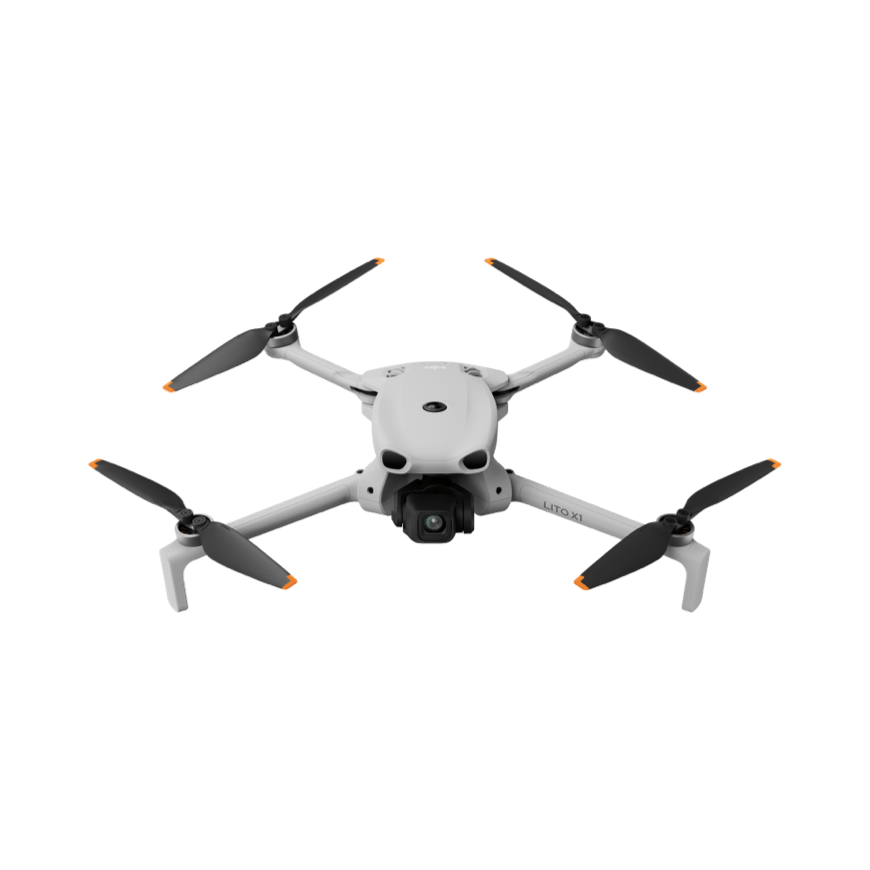
DJI Lito X1
N/A
The Lito with LiDAR sensing and built-in storage.
Best for: Buyers who want the best camera and sensing of the three under 250 g
- Omnidirectional obstacle sensing with LiDAR
- 1/1.3-inch sensor with 4K/100fps
- 42 GB of internal storage
Of these three sub-250 g DJI drones, the Lito X1 is the best buy on paper. It is the only one with LiDAR-assisted omnidirectional sensing and 42 GB of internal storage, and it pairs a 1/1.3-inch sensor with 4K/100fps. The Lito 1 also senses in…
N/A
The Lito with LiDAR sensing and built-in storage.
Best for: Buyers who want the best camera and sensing of the three under 250 g
N/A
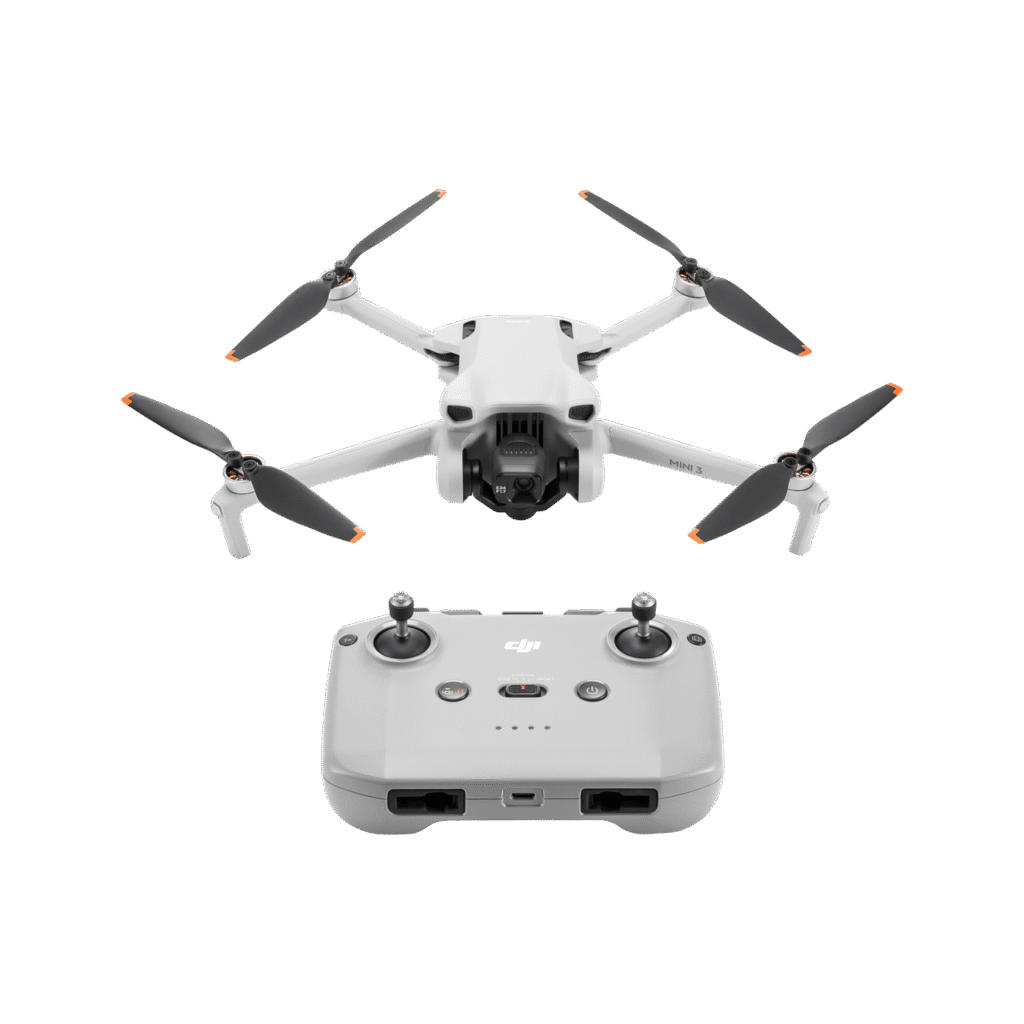
A simple entry-level Mini with the longest battery life here.
Best for: Beginners and casual users who fly in open spaces
N/A
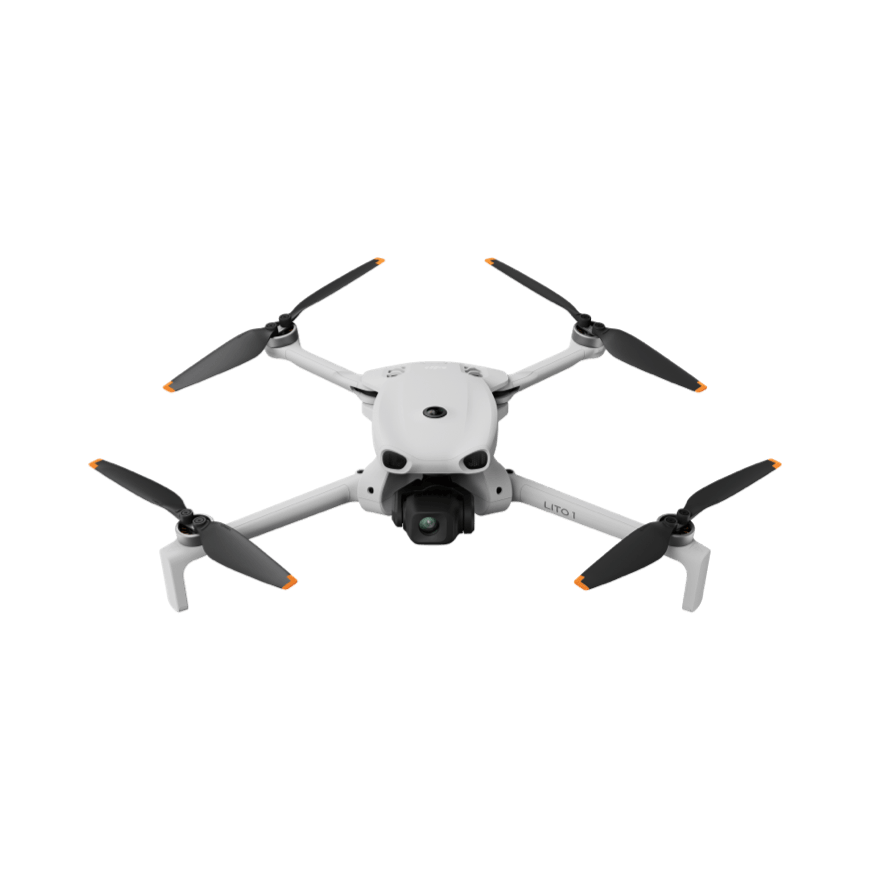
Omnidirectional sensing and 4K/100fps on a smaller sensor.
Best for: Buyers who want all-round sensing but don't need the X1's camera
| Feature | DJI Lito X1 | DJI Mini 3 | DJI Lito 1 |
|---|---|---|---|
| Weight | 249g | 248g | 249g |
| Dimensions | 144×94×62 mm | 148 × 90 × 62 mm | 149 × 94 × 62 mm |
| Volume | 840 cm³ | 824 cm³ | 869 cm³ |
| Max Speed | 18 m/s | 16 m/s | 18 m/s |
| Max Flight Distance | 21 km | 18 km | 20 km |
| Sensor Size | 1/1.3″ CMOS | 1/1.3″ CMOS | 1/2-inch CMOS |
| Megapixels | 48 MP | 48 MP | 48 MP |
| Max ISO | 12800 (Video), 6400 (Photo) | 3200 | 12800 |
| Flight Time | 36 mins | 38 mins | 36 mins |
| Max Resolution | 4K/100fps | 4K/30fps | 4K/100fps |
| Movie Bitrate | 130 Mbps | 100 Mbps | 130 Mbps |
| Field of View | 82.1° | 82.1° | 79° |
| Transmission Range | 15 km (IC) | 10 km (FCC) | 15 km (IC) |
| Wind Resistance | 10.7 m/s | 10.7 m/s | 10.7 m/s |
| Obstacle Avoidance | Omnidirectional (LiDAR) | Downward Vision Sensors | Omnidirectional Vision Sensors |
| Battery Power | 2788 mAh | 2453 mAh | 2590 mAh |
| Charge Time | 1.2 hours | 1.06 hours | 1.2 hours |
| Internal Storage | 42 GB | No | No |
| GPS | Yes | Yes | Yes |
| Obstacle Detection | Yes | Yes | Yes |
| Return to Home | Yes | Yes | Yes |
| Removable Battery | Yes | Yes | Yes |
| Shoots RAW | Yes | Yes | Yes |
| HDR Mode | No | Yes | No |
| Weather Sealed | No | No | No |
| Best For | Buyers who want the best camera and sensing of the three under 250 g | Beginners and casual users who fly in open spaces | Buyers who want all-round sensing but don't need the X1's camera |
| Aperture | f/1.7 | f/1.7 | f/1.8 |
| Video Transmission System | O4 | O2 | O4 |
| Obstacle Avoidance Type | Omnidirectional (LiDAR) | Downward Vision Sensors | Omnidirectional Vision Sensors |
| Operating Temperature | -10 °C to 40 °C | -10 °C to 40 °C | 0 °C to 40 °C |
| Max Video Frame Rate (4K) | 100 fps | 30 fps | 100 fps |
Of these three sub-250 g DJI drones, the Lito X1 is the best buy on paper. It is the only one with LiDAR-assisted omnidirectional sensing and 42 GB of internal storage, and it pairs a 1/1.3-inch sensor with 4K/100fps.
The Lito 1 also senses in all directions and shoots 4K/100fps, but its sensor is a smaller 1/2-inch type and it has no internal storage. The Mini 3 has the same sensor size as the X1 but stops at 4K/30fps and has only downward sensors.
The Mini 3 still has the longest standard flight time, 38 minutes against 36. For a beginner who flies in open spaces, that and its simplicity may be enough.
The Lito X1 and Mini 3 both use a 1/1.3-inch sensor; the Lito 1 drops to 1/2-inch. Both Lito models record 4K at up to 100fps and 130 Mbps, against 4K/30fps and 100 Mbps on the Mini 3. So the X1 combines the larger sensor with the faster video modes, and its video ISO reaches 12800, which should make it the best of the three in low light. The Lito 1 gives you frame rates; the Mini 3 gives you sensor size.
Frame rate only matters if you want slow motion or shoot fast movement. For casual travel clips, the Mini 3's 4K/30fps is enough.
The Lito X1 senses in all directions and adds LiDAR. The Lito 1 senses in all directions with vision sensors. The Mini 3 has downward sensors only, so it will not stop for anything in front, behind or to the side. More sensing helps during tracking and return-to-home, but none of these drones is collision-proof around thin wires, glass or in low light.
DJI lists the Lito X1 and Lito 1 at 36 minutes, 18 m/s and 249 g, and the Mini 3 at 38 minutes, 16 m/s and 248 g. All three offer a Plus battery that extends flight time and pushes the weight over 250 g, which can change whether you need to register. Check the registration rules by weight for your country.
Only the Lito X1 has internal storage (42 GB). The Mini 3 and Lito 1 rely on microSD cards. Rated flight times are maximums in calm conditions; wind, cold and a safe reserve cut them in practice.
For the two-way versions, see our Lito X1, Lito 1 and Mini 3 article, the Lito X1 specs analysis and the Lito 1 overview.
I compare these drones from manufacturer specifications, regulatory filings and documented owner reports. I have not flown them, so flight feel and real-world battery life are not judged here.
This comparison helps buyers choose between DJI Lito X1, DJI Mini 3, and DJI Lito 1 by translating the specification table into camera, flight, safety, workflow and value decisions. Recommendations are matched to user needs rather than based on a single headline number.