DJI Mini 3 vs DJI Mini 4K
Buy the DJI Mini 3 if you care about image quality or vertical video: its larger 1/1.3-inch sensor, brighter f/1.7 lens, HDR video, True Vertical Shooting and 38-minute battery are real upgrades. Buy the DJI Mini 4K if price is the main concern and you…
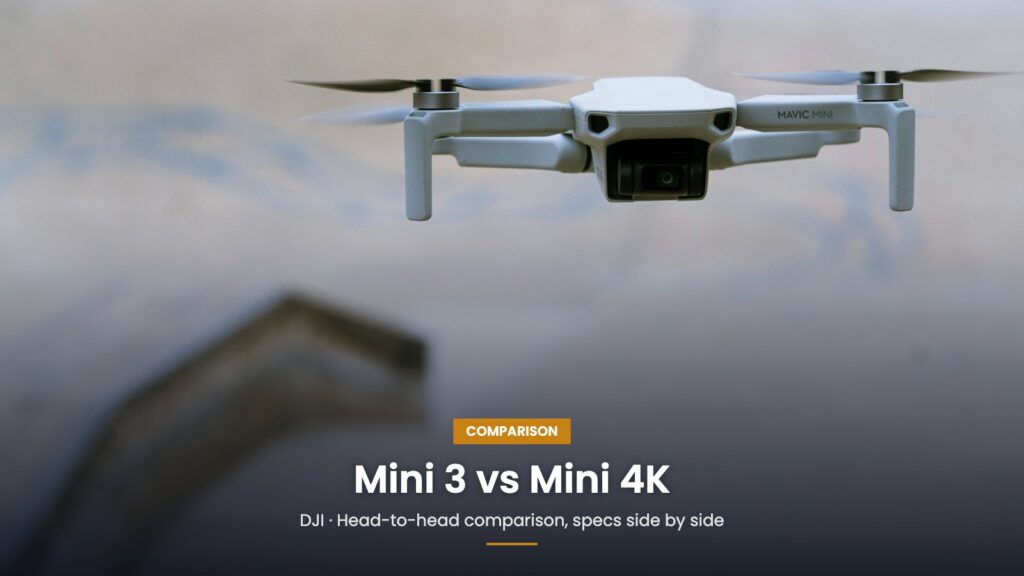
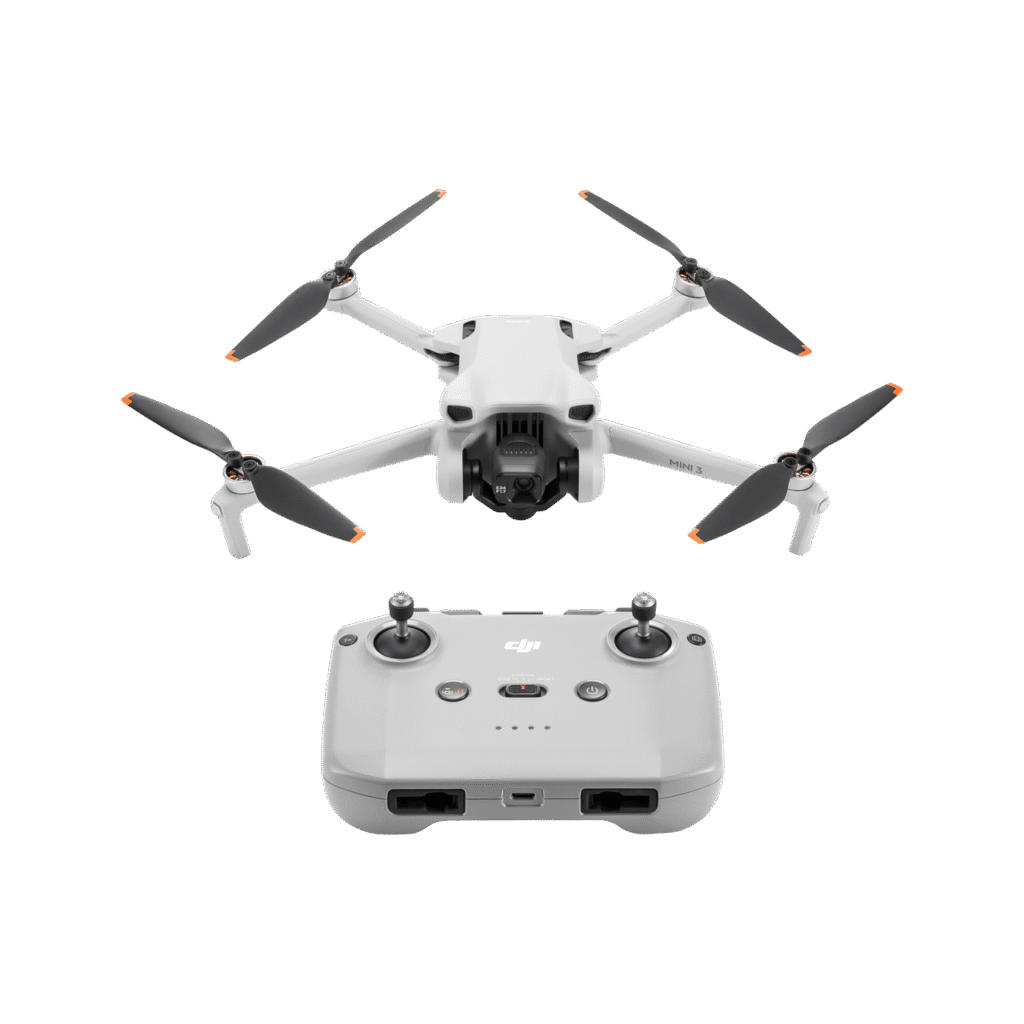
DJI Mini 3
$559
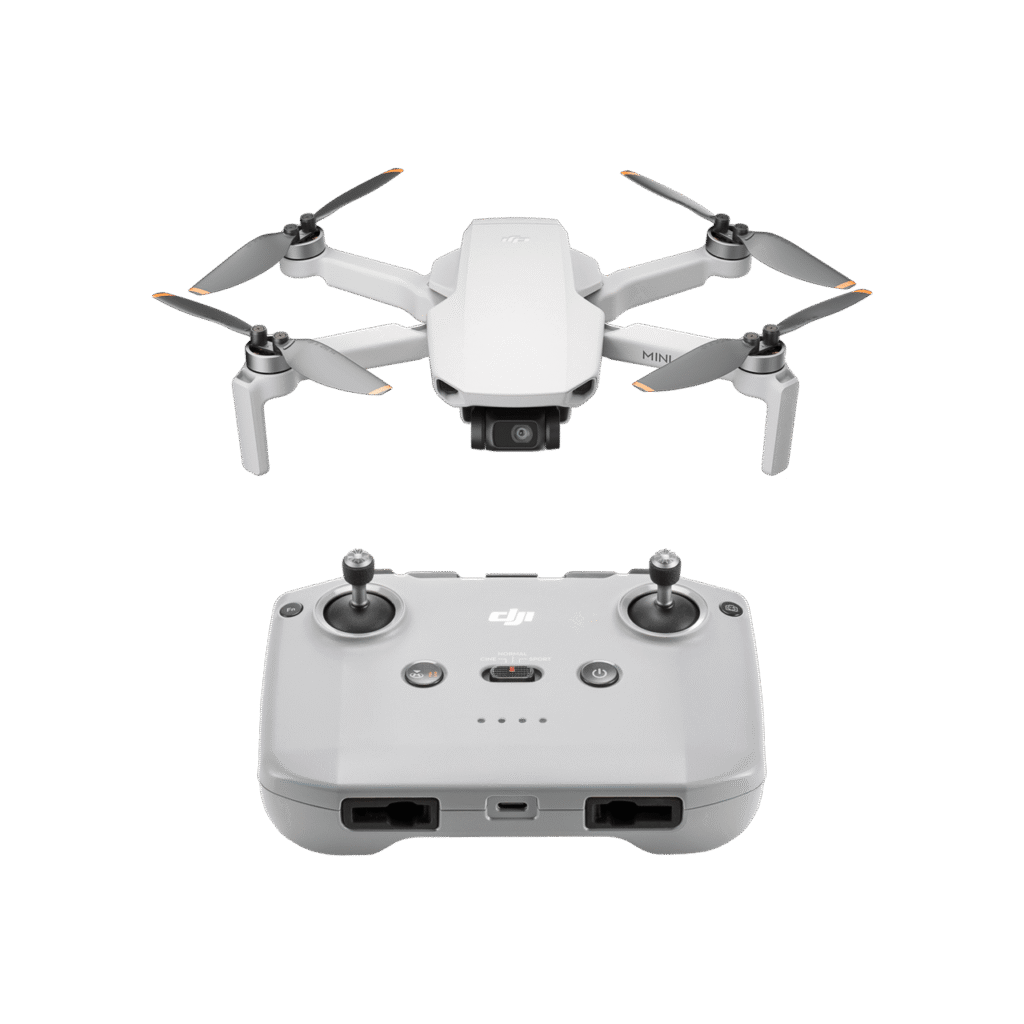
DJI Mini 4K
$299
Technical Specifications
Last updated: Oct 2026| Feature | DJI Mini 3 | DJI Mini 4K |
|---|---|---|
| Weight | 248 g with standard battery; approximately 290 g with Plus battery | 246 g with standard battery |
| Dimensions | 148×90×62 mm folded | 138×81×58 mm folded |
| Volume | 826 cm³ folded bounding-box volume | 647 cm³ folded bounding-box volume |
| Max Speed | 16 m/s in Sport mode (manufacturer-stated) | 16 m/s in Sport mode (manufacturer-stated) |
| Max Flight Distance | 18 km standard; 25 km Plus (manufacturer-stated) | 15.7 km (manufacturer-stated) |
| Sensor Size | 1/1.3-inch CMOS | 1/2.3-inch CMOS |
| Megapixels | 48 MP | 12 MP |
| Max ISO | ISO 3,200 | ISO 3,200 |
| Flight Time | 38 minutes standard; 51 minutes Plus (manufacturer-stated) | 31 minutes (manufacturer-stated) |
| Max Resolution | 4K up to 30fps with HDR support | 4K up to 30fps; 2.7K up to 60fps |
| Movie Bitrate | 100 Mbps | 100 Mbps |
| Field of View | 82.1° | 83° |
| Transmission Range | Up to 10 km under FCC conditions | Up to 10 km under FCC conditions |
| Wind Resistance | 10.7 m/s (Level 5) | 10.7 m/s (Level 5) |
| Obstacle Avoidance | Downward vision positioning only; no directional obstacle avoidance | Downward vision positioning only; no directional obstacle avoidance |
| Battery Power | 2453 mAh standard; 3850 mAh Plus | 2250 mAh |
| Charge Time | Approx. 64 minutes with standard battery in aircraft | Approx. 56 minutes |
| Internal Storage | None; microSD card required | None; microSD card required |
| GPS | Yes | Yes |
| Obstacle Detection | No dedicated obstacle detection; downward positioning sensors only | No dedicated obstacle detection; downward positioning sensors only |
| Return to Home | Yes | Yes |
| Removable Battery | Yes | Yes |
| Shoots RAW | Yes, DNG | Yes, DNG |
| HDR Mode | Yes, HDR video up to 30fps | No dedicated HDR mode |
| Weather Sealed | No official IP rating | No official IP rating |
| Best For | Travel creators and anyone posting vertical video | Beginners and casual pilots on a tight budget |
| Standard Battery Flight Time | 38 minutes | 31 minutes |
| Plus Battery Flight Time | 51 minutes | Not available |
| Standard Battery Flight Distance | 18 km | 15.7 km |
| Plus Battery Flight Distance | 25 km | Not available |
| Standard Battery Capacity | 2453 mAh | 2250 mAh |
| Plus Battery Capacity | 3850 mAh | Not available |
| Camera Aperture | f/1.7 | f/2.8 |
| True Vertical Shooting | Yes | No |
| HDR Video | Yes, up to 30fps | No dedicated HDR mode |
| Maximum 4K Frame Rate | 4K/30fps | 4K/30fps |
| Maximum 2.7K Frame Rate | 2.7K/60fps | 2.7K/60fps |
| Gimbal Tilt Range | -90° to 60° | -90° to 20° |
| Operating Temperature | -10° to 40°C | 0° to 40°C |
| Obstacle Sensing Coverage | Downward positioning only | Downward positioning only |
The camera is where the extra money goes
The Mini 3 uses a 1/1.3-inch sensor behind an f/1.7 lens and records 4K at up to 30fps with HDR. The Mini 4K uses a smaller 1/2.3-inch sensor at f/2.8 and records 4K at up to 30fps or 2.7K at up to 60fps, without HDR. Both shoot DNG RAW and JPEG. The bigger sensor and brighter lens are what you pay for, and they show most in high-contrast scenes and low light.
For vertical social video, the Mini 3's camera physically rotates for True Vertical Shooting. On the Mini 4K you have to crop or reframe horizontal footage for portrait platforms, which costs resolution.
Flight time, weight and batteries
DJI rates the Mini 3 at 38 minutes on its standard battery and 51 with the Plus battery, and the Mini 4K at 31 minutes. Both reach 16 m/s in Sport mode. The Mini 3 weighs 248 g with the standard battery and about 290 g with the Plus; the Mini 4K weighs 246 g. Crossing 250 g with the Plus battery can bring registration requirements in some countries, so check the registration-by-weight guide. The two drones use different battery families, so batteries don't swap between them.
Neither one avoids obstacles
Both have downward vision sensors for positioning and landing only. Neither has forward, backward or lateral obstacle avoidance, so trees, wires and walls are the pilot's job on both. If that worries you, the Mini 4K vs Mini 4 Pro comparison covers a model with full sensing.
My read: for a first drone on a strict budget, the Mini 4K is fine. If you expect to stick with the hobby, use HDR or post vertical clips, the Mini 3 is worth the extra. The Mini 4K analysis has more detail on the budget model.
DJI Mini 3
Strengths
- 1/1.3-inch sensor with a bright f/1.7 lens
- True Vertical Shooting by rotating the camera
- 38 minutes on the standard battery, 51 with the Plus
- HDR video and a 48 MP photo mode
Drawbacks
- No forward, backward or side obstacle avoidance
- Listed at $559, nearly twice the Mini 4K
- Plus battery raises takeoff weight to about 290 g
- 4K limited to 30fps; no internal storage
DJI Mini 4K
Strengths
- Listed at $299
- 4K/30fps and 2.7K/60fps video
- JPEG and DNG RAW photos
- 31-minute rated flight time
- Slightly smaller and lighter (246 g)
Drawbacks
- Smaller 1/2.3-inch sensor and darker f/2.8 lens
- No true vertical shooting
- No HDR video
- No forward, backward or side obstacle avoidance
- No internal storage
Spend more on the Mini 3 if the camera matters to you
Buy the DJI Mini 3 if you care about image quality or vertical video: its larger 1/1.3-inch sensor, brighter f/1.7 lens, HDR video, True Vertical Shooting and 38-minute battery are real upgrades. Buy the DJI Mini 4K if price is the main concern and you just want a simple first drone.
The Mini 4K still covers the basics: 4K/30fps, RAW photos, GPS, return-to-home and a 31-minute rated flight time, at a listed $299 against $559 for the Mini 3. Neither has forward, backward or side obstacle avoidance.
Check DJI Mini 3 price on Amazon →Affiliate link. We may earn a commission at no extra cost to you.
Context and limitations
This comparison helps buyers choose between DJI Mini 3 and DJI Mini 4K by translating the specification table into camera, flight, safety, workflow and value decisions. Recommendations are matched to user needs rather than based on a single headline number.
Limitations
The Friday Brief
One email a week on what changed in drones
FCC and FAA rule changes, DJI leaks checked against filings, and the week’s new comparisons. Every Friday, nothing else.
Free. Unsubscribe in one click. Sent with Kit; see our privacy policy.
Follow us on Google too: add Drone Ranker as a preferred source →

Alihan Demirdaş is the founder and editor of Drone Ranker. A software developer by profession, he researches drones the way he reads code: from the primary documents. Every review, comparison and news story on the site is written by him from manufacturer specification sheets, FCC and EU certification filings, aviation-authority rules and dated press releases, with the source linked. Unless a page is labelled hands-on, the analysis is documentary; when an aircraft is in his hands, the page says so and carries his own photographs and flight notes. He covers consumer, professional and agricultural drones and is based in Türkiye.