DJI Mini 4K vs DJI Mini 4 Pro
Buy the Mini 4K if you mainly want stabilized 4K footage in daylight over open ground; it covers the basics for far less money. Buy the Mini 4 Pro if you want obstacle sensing, vertical video, slow motion or footage you plan to color grade.…
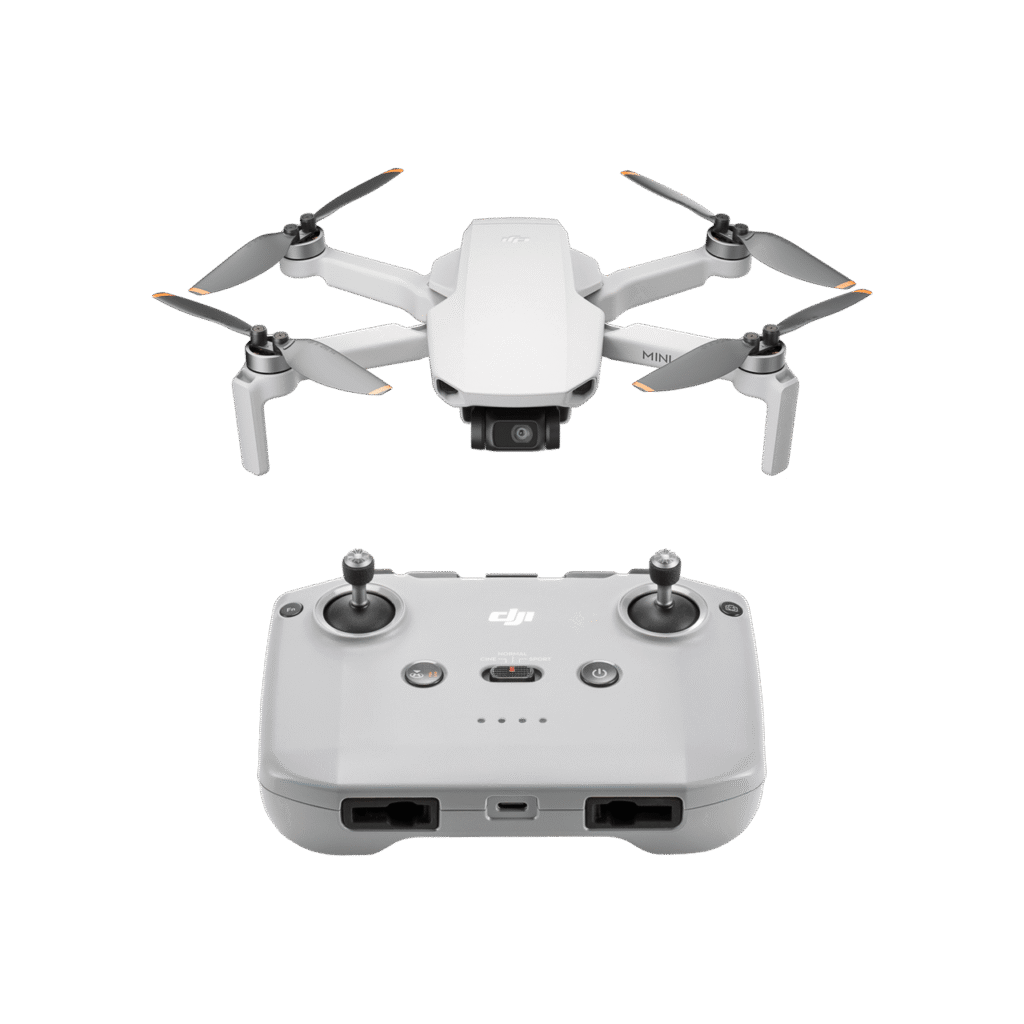
DJI Mini 4K
$299
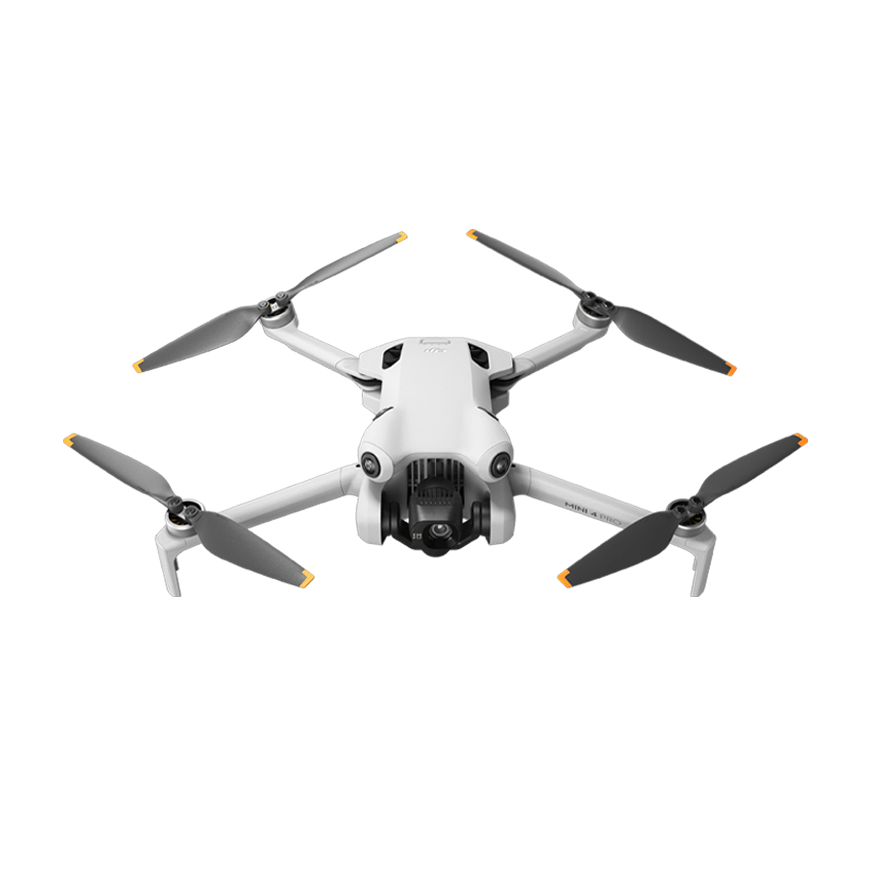
DJI Mini 4 Pro
$759
Technical Specifications
Last updated: Oct 2026| Feature | DJI Mini 4K | DJI Mini 4 Pro |
|---|---|---|
| Weight | 246 g with standard battery | Under 249 g standard; approximately 295 g with Plus battery |
| Dimensions | 138×81×58 mm folded | 148×94×64 mm folded |
| Volume | 647 cm³ folded bounding-box volume | 891 cm³ folded bounding-box volume |
| Max Speed | 16 m/s in Sport mode (manufacturer-stated) | 16 m/s in Sport mode (manufacturer-stated) |
| Max Flight Distance | 15.7 km (manufacturer-stated) | 18 km standard; 25 km Plus (manufacturer-stated) |
| Sensor Size | 1/2.3-inch CMOS | 1/1.3-inch CMOS |
| Megapixels | 12 MP | 48 MP |
| Max ISO | ISO 3,200 | ISO 6,400 |
| Flight Time | 31 minutes (manufacturer-stated) | 34 minutes standard; 45 minutes Plus (manufacturer-stated) |
| Max Resolution | 4K up to 30fps; 2.7K up to 60fps | 4K up to 100fps slow motion; 4K HDR up to 60fps |
| Movie Bitrate | 100 Mbps | 150 Mbps |
| Field of View | 83° | 82.1° |
| Transmission Range | 10 km FCC; 6 km CE/SRRC/MIC | 20 km FCC; 10 km CE/SRRC/MIC |
| Wind Resistance | 10.7 m/s (Level 5) | 10.7 m/s (Level 5) |
| Obstacle Avoidance | Downward vision positioning only; no directional obstacle avoidance | Omnidirectional binocular vision sensing with downward 3D infrared support |
| Battery Power | 2250 mAh, 17.32 Wh | 2590 mAh standard; 3850 mAh Plus |
| Charge Time | Approx. 56 minutes | Approx. 70 minutes with standard battery in aircraft |
| Internal Storage | None; microSD card required | 2 GB |
| GPS | Yes | Yes |
| Obstacle Detection | No dedicated obstacle detection; downward positioning sensors only | Yes, omnidirectional vision sensing |
| Return to Home | Yes | Yes |
| Removable Battery | Yes | Yes |
| Shoots RAW | Yes, DNG | Yes, DNG |
| HDR Mode | No dedicated HDR video mode | Yes, 4K HDR up to 60fps |
| Weather Sealed | No official IP rating | No official IP rating |
| Best For | Beginners and casual travelers who want simple 4K footage on a budget | Creators, frequent pilots and nervous beginners who want obstacle sensing |
| Standard Battery Flight Time | 31 minutes | 34 minutes |
| Plus Battery Flight Time | Not available | 45 minutes |
| Standard Battery Flight Distance | 15.7 km | 18 km |
| Plus Battery Flight Distance | Not available | 25 km |
| Standard Battery Capacity | 2250 mAh, 17.32 Wh | 2590 mAh, 18.96 Wh |
| Plus Battery Capacity | Not available | 3850 mAh |
| Maximum 4K Frame Rate | 4K/30fps | 4K/100fps slow motion |
| HDR Video | No dedicated HDR video mode | Yes, 4K HDR up to 60fps |
| Camera Aperture | f/2.8 | f/1.7 |
| Color Profiles | Normal | Normal, HLG and 10-bit D-Log M |
| True Vertical Shooting | No | Yes |
| Transmission System | DJI O2 | DJI O4 |
| Maximum FCC Transmission Range | 10 km | 20 km |
| Maximum CE Transmission Range | 6 km | 10 km |
| Obstacle Sensing Coverage | Downward positioning only | Omnidirectional vision sensing |
| Operating Temperature | 0° to 40°C | -10° to 40°C |
| Video Codec | H.264 | H.264 and H.265 |
Same speed, same wind rating, very different drones
Both stay under 250 g on standard batteries, both are rated at 16 m/s in Sport mode and both carry the same Level 5 wind resistance. So the extra money for the Pro is not buying speed or stability. It buys the camera, obstacle sensing, automated flight, newer transmission and vertical shooting. Someone filming a beach on holiday may never use D-Log M or 4K/100fps, and for that person the Mini 4K is the rational buy.
The camera gap is sensor size, not megapixels
The Mini 4K uses a 1/2.3-inch 12 MP sensor behind an f/2.8 lens. In good daylight that produces attractive footage, and DNG RAW gives photographers real editing room. The Mini 4 Pro moves to a 1/1.3-inch sensor with an f/1.7 lens and a 48 MP mode. Four times the megapixels does not mean four times better photos; the bigger sensor and brighter lens matter more, mainly at sunset, blue hour and in high-contrast scenes.
On video, the Mini 4K records 4K at up to 30fps and 2.7K at 60fps, at up to 100 Mbps. That's genuine 4K and fine for travel and family clips. The Mini 4 Pro adds 4K/100fps slow motion, 4K HDR at up to 60fps, 150 Mbps, HLG and 10-bit D-Log M. If you upload straight from your phone, log profiles add little. If you color grade, you'll use them immediately.
Obstacle sensing matters most for beginners
The Mini 4K has downward vision sensors for positioning and landing, and nothing else. If it is heading toward a tree or cable, stopping it is your job. The Mini 4 Pro uses omnidirectional binocular vision plus a downward 3D infrared sensor, which lets tracking and automated modes brake or steer around obstacles. It isn't collision-proof: thin branches, wires, reflective surfaces and poor light can still beat it.
That creates an odd result. The cheaper drone looks like the beginner choice, and a careful beginner practicing in a large open field will be well served by it. But new pilots are the ones who misjudge distance or stare at the camera feed, so a nervous beginner, or one who wants automated tracking, has a real case for the Pro.
Vertical video
The Mini 4 Pro rotates its camera for True Vertical Shooting. The Mini 4K doesn't, so vertical clips mean framing wide and cropping in the edit. For an occasional Reel that's a small chore; for someone posting vertical content every week, the Pro saves real time.
Battery, weight and range
On standard batteries the gap is small: 31 minutes from a 2250 mAh pack against 34 minutes from 2590 mAh. The Pro also takes a Plus battery rated at 45 minutes, but that raises it to about 295 g, which can change registration, class-label or operating rules depending on the country. See the registration-by-weight guide.
The Mini 4K uses O2, rated at 10 km FCC and 6 km CE; the Pro uses O4, rated at 20 km FCC and 10 km CE. Don't choose on those maximums, which assume open, unobstructed conditions and don't change line-of-sight rules. The two also use different controllers: the RC-N1C family for the Mini 4K, and the RC-N2 or DJI RC 2 for the Pro.
Folded, the Mini 4K measures about 138×81×58 mm and the Pro about 148×94×64 mm, a difference you won't notice in a backpack. For the Mini 4K on its own, see our Mini 4K specs overview; for the Pro, the Mini 4 Pro analysis.
DJI Mini 4K
Strengths
- Much cheaper than the Mini 4 Pro
- Stabilized 4K/30fps on a three-axis gimbal
- 246 g and slightly smaller when folded
- GPS, Return-to-Home and DNG RAW
- Up to 31 minutes of rated flight time
Drawbacks
- No obstacle avoidance; downward sensors only
- Smaller 1/2.3-inch 12 MP sensor with an f/2.8 lens
- 4K tops out at 30fps and 100 Mbps
- No True Vertical Shooting
- No internal storage
- Older O2 transmission
DJI Mini 4 Pro
Strengths
- Omnidirectional obstacle sensing
- 1/1.3-inch sensor, f/1.7 lens and 48 MP photo mode
- 4K/100fps, 4K HDR and 10-bit D-Log M and HLG
- True Vertical Shooting for Reels, TikTok and Shorts
- O4 transmission up to 20 km FCC
- Plus battery option rated at 45 minutes
Drawbacks
- Costs much more than the Mini 4K
- Only 2 GB of internal storage
- Plus battery raises weight to about 295 g
- Sensing cannot prevent every collision
- Slightly larger folded size
Pay for the Mini 4 Pro only if you'll use its sensing and video tools
Buy the Mini 4K if you mainly want stabilized 4K footage in daylight over open ground; it covers the basics for far less money. Buy the Mini 4 Pro if you want obstacle sensing, vertical video, slow motion or footage you plan to color grade.
The Mini 4K gives a beginner 4K/30fps on a three-axis gimbal, DNG RAW, GPS, Return-to-Home, a 246 g body and up to 31 minutes of rated flight. The Mini 4 Pro adds a larger 1/1.3-inch sensor with an f/1.7 lens, 4K/100fps, 4K HDR, 10-bit D-Log M and HLG, True Vertical Shooting, omnidirectional sensing and O4 transmission.
My read: if two or three of those Pro features describe how you shoot, buy the Pro now rather than upgrading in a year.
Check DJI Mini 4 Pro price on Amazon →Affiliate link. We may earn a commission at no extra cost to you.
Context and limitations
This comparison helps buyers choose between DJI Mini 4K and DJI Mini 4 Pro by translating the specification table into camera, flight, safety, workflow and value decisions. Recommendations are matched to user needs rather than based on a single headline number.
Limitations
The Friday Brief
One email a week on what changed in drones
FCC and FAA rule changes, DJI leaks checked against filings, and the week’s new comparisons. Every Friday, nothing else.
Free. Unsubscribe in one click. Sent with Kit; see our privacy policy.
Follow us on Google too: add Drone Ranker as a preferred source →

Alihan Demirdaş is the founder and editor of Drone Ranker. A software developer by profession, he researches drones the way he reads code: from the primary documents. Every review, comparison and news story on the site is written by him from manufacturer specification sheets, FCC and EU certification filings, aviation-authority rules and dated press releases, with the source linked. Unless a page is labelled hands-on, the analysis is documentary; when an aircraft is in his hands, the page says so and carries his own photographs and flight notes. He covers consumer, professional and agricultural drones and is based in Türkiye.