DJI Mini 4K Drone in 2026: Is a Budget First Drone Still Enough?

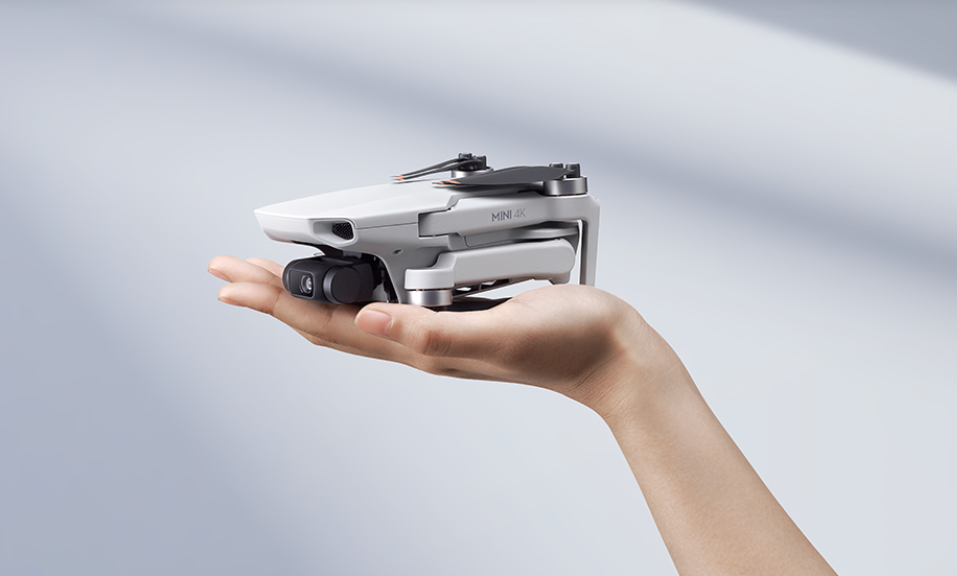
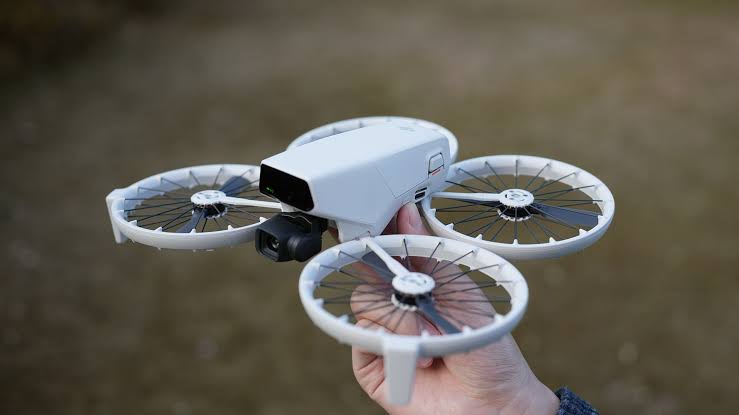
The DJI Mini 4K is still worth buying in 2026 as a cheap first drone: real 4K/30fps video, a three-axis mechanical gimbal and a takeoff weight of about 246 g. What you give up is obstacle sensing, subject tracking and a bigger sensor, so beginners who can spend more may be better served by the Mini 4 Pro or, outside the US, the Lito X1.
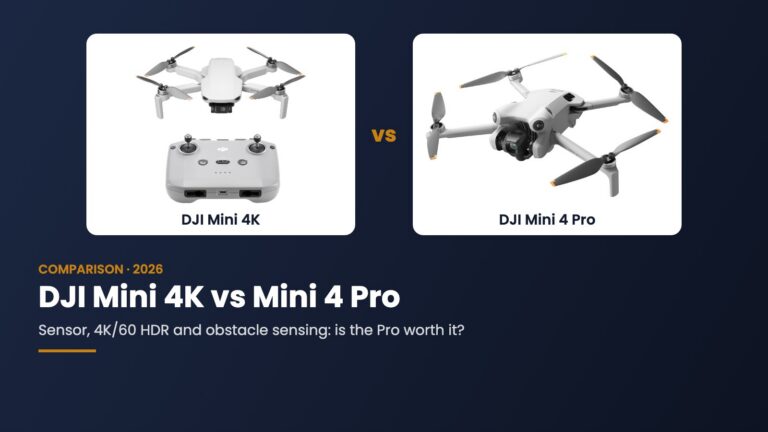
In the US, the Mini 4K predates the December 2025 FCC Covered List decision and remains on sale through US retailers. If you’re weighing it against its bigger sibling, see our Mini 4K vs Mini 4 Pro comparison, and for the wider field, the best mini drones.
Drone Ranker did not fly the Mini 4K for this article. It is an analysis of DJI’s official specifications and documentation.
Table of Contents
Specifications
| Specification | DJI Mini 4K |
|---|---|
| Takeoff weight | Approximately 246 g |
| Folded dimensions | 138×81×58 mm |
| Camera sensor | 1/2.3-inch CMOS, 12 MP |
| Lens | 24 mm equivalent, f/2.8, 83° field of view |
| Video | 4K at 24/25/30fps; 2.7K and 1080p up to 60fps |
| Maximum bitrate | 100 Mbps (H.264) |
| Photo formats | JPEG and DNG RAW |
| ISO / shutter | 100–3200 / 4 s to 1/8000 s |
| Gimbal | Three-axis mechanical |
| Maximum flight time | 31 minutes |
| Wind resistance | 10.7 m/s (Level 5) |
| Speed | 16 m/s horizontal (Sport), 5 m/s ascent, 3.5 m/s descent |
| Maximum takeoff altitude | 4,000 m |
| Transmission | DJI O2: 10 km FCC, 6 km CE/SRRC/MIC |
| Live view | 720p/30fps, ~200 ms minimum latency |
| Obstacle avoidance | None (downward sensing only) |
| Internal storage | None |
| EU class | C0 |
DJI measures flight time, range, speed, wind and altitude figures under controlled conditions. Weather, interference, altitude, battery condition and firmware all change the real numbers.
Is it really 4K?
Yes. Despite some wrong descriptions online, the Mini 4K records true 3840×2160 video at 24, 25 and 30fps, at up to 100 Mbps. That is well above the 40 Mbps associated with the DJI Mini 2 SE. What it lacks is 4K/60, 10-bit D-Log M, HLG, HDR video modes and high-frame-rate 4K slow motion. If you need those, look at a Mini Pro model.
Camera and sensor
The 12 MP 1/2.3-inch sensor is small next to the 1/1.3-inch sensors in the Mini 3 and Mini 4 Pro, and much smaller than the 1-inch sensors in DJI’s newer premium mini drones. DNG RAW support helps if you want to adjust exposure, white balance, shadows and highlights in editing.
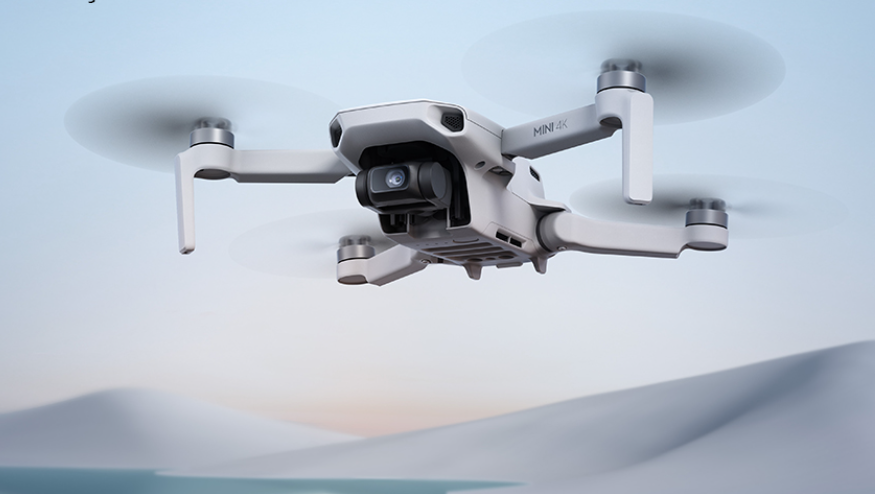
In good daylight the specs are enough for travel clips, scenery, social posts, property overviews and learning aerial photography. Around sunset, at night or in high-contrast scenes, expect less dynamic range and more noise than from a larger-sensor drone.
The gimbal is the main reason to buy it
The three-axis mechanical gimbal stabilizes tilt, roll and pan, which gives smoother video than cheap camera drones relying only on electronic stabilization. With the extended gimbal setting, the camera tilts from straight down to slightly above the horizon. It can’t rotate into portrait orientation, though. You can crop vertical clips in editing, at the cost of resolution and field of view; if you post a lot of Reels or Shorts, the Mini 3 or Mini 4 Pro, with their rotating cameras, are the better fit.
Flight time, wind and range
DJI’s 31 minutes was measured in still air near sea level, flying at constant speed until the battery forced a landing. Real flights are shorter: wind, cold, altitude, Sport mode, long hovers, recording, climbs and descents, battery age and the reserve you keep for Return to Home all eat into it. Plan to land with a safe margin.
The 10.7 m/s wind rating is a limit, not a recommended condition. A light drone burns much more battery flying into wind, and a tailwind on the way out becomes a headwind on the way back, so check wind at altitude and keep enough charge to return.
The O2 (OcuSync 2.0) link is rated to 10 km under FCC rules and 6 km under CE, SRRC and MIC rules, unobstructed and without interference. Those are not flying distances. DJI’s own reference estimates are about 1.5–3 km with strong urban interference, 3–6 km in suburbs, and 6–10 km in open, low-interference areas. Visual-line-of-sight rules usually cap you well before any of that. The 720p live view only affects the preview on your phone, not what is recorded to the card.
Beginner features, and the missing safety net
The Mini 4K is designed to make the step to GPS-assisted flight easy: one-tap takeoff and landing, stable GPS and vision-assisted hovering, automatic, low-battery and failsafe Return to Home, DJI Fly tutorials, panorama modes and QuickShots (Dronie, Rocket, Circle, Helix, Boomerang). In some markets its naming overlaps with the DJI Mini 2 SE, so read listings carefully.
Easy is not the same as protected. The Mini 4K has no forward, backward, lateral or upward obstacle avoidance. Its downward sensing helps with hovering and landing when the surface and light allow, but it won’t see trees, walls, cables or anything else in its path, and it won’t stop on its own. Take particular care around branches, power lines, buildings, bridges, cliffs, poles, fences, indoors and in low light. This is its biggest safety limitation.
It also has no ActiveTrack or FocusTrack. QuickShots run a preset move around a subject and stop; they don’t follow you. If you want a drone to follow you cycling, running, hiking or skiing, a DJI Neo or a Mini Pro is a better fit.
Storage
There is no internal storage, so a microSD card is essential. DJI recommends UHS-I Speed Grade 3 cards; a V30 card from a reputable brand is the safe choice for 4K. Install and format it before you leave home, because there’s no backup if you forget it.
Standard package or Fly More Combo?
The standard package typically includes the aircraft, one battery, the DJI RC-N1C controller, cables, spare propellers, screws and a screwdriver. The Fly More Combo adds two more batteries, a Two-Way Charging Hub (charges up to three batteries in sequence and can power some devices over USB), extra propellers, a propeller holder and a shoulder bag.
If you’ll fly regularly, get the combo. One battery rated at 31 minutes doesn’t mean 31 minutes of filming once setup, test moves and your return reserve are counted, and three batteries make travel, hikes and multi-location shoots practical. The standard kit suits occasional users who want the lowest upfront cost.
How it compares
Mini 3: better for camera quality and battery life. It has a 1/1.3-inch sensor, f/1.7 lens, 48 MP photos, true vertical shooting, and up to 38 minutes (51 with the Plus battery). Both record 4K/30, use O2, and have no obstacle avoidance. Choose the Mini 4K when budget comes first.
Mini 4 Pro: a higher tier entirely, with a 1/1.3-inch sensor, 48 MP photos, 4K up to 100fps, 10-bit D-Log M and HLG, vertical shooting, omnidirectional sensing, ActiveTrack 360°, O4 with a 20 km FCC rating and 1080p/60 live view. It’s the drone for serious creators and flying near obstacles.
DJI Neo: a different tool. The Neo line is about palm takeoff, close-range automated recording, subject tracking, built-in prop guards and flying without a controller. The Mini 4K offers longer flights, a traditional controller, the three-axis gimbal, longer range and more conventional aerial photography.
Weight and the rules
DJI’s approximately 246 g figure includes the standard battery, propellers and microSD card, leaving little margin under 250 g. Accessories can push it over, so weigh what you actually fly. Being under 250 g doesn’t exempt you from everything. In the EU the Mini 4K is C0, but you may still need to register as an operator because it has a camera and isn’t a toy. In the US, recreational drones under 250 g are generally exempt from FAA registration, but you still need the TRUST certificate, and anything flown under Part 107 must be registered regardless of weight. Check local rules where you’ll fly.
Buying tips
Listings for the Mini 4K, Mini 2 and Mini 2 SE are easy to confuse, and a listing that says 2.7K video maximum may actually be for a Mini 2 SE. Check if you get one battery or three, the controller, a microSD card, new versus refurbished or used, the regional warranty and power adapter, DJI Care Refresh availability, and whether spare batteries are sold locally.
Who it suits
The Mini 4K suits first-time owners, people learning aerial photography, travelers who want something small, and anyone moving up from a toy-class drone who wants a proper gimbal and GPS. It can handle basic paid work if its image quality meets the job, but its small sensor, lack of obstacle avoidance, lack of 10-bit recording and lack of tracking limit it for demanding productions, and commercial rules still apply.
My view: if you mainly want daylight travel footage and are willing to fly carefully, the Mini 4K is all the drone you need, and the Fly More Combo is the version to buy. If you need tracking, obstacle sensing, vertical video or better low light, don’t buy it hoping the “Mini” and “4K” in the name will cover the gap. Spend more on a Mini Pro.
The drone in this review
DJI Mini 4K
Under 249 g, 3-axis gimbal, 4K/30. The cheapest DJI camera drone with a real gimbal.
As an Amazon Associate, Drone Ranker earns from qualifying purchases. We do not quote prices because Amazon’s change by the hour.
Checked against DJI’s official product pages, specifications and support documentation, and current EASA and FAA guidance. Last verified: July 29, 2026.
The Friday Brief
One email a week on what changed in drones
FCC and FAA rule changes, DJI leaks checked against filings, and the week’s new comparisons. Every Friday, nothing else.
Free. Unsubscribe in one click. Sent with Kit; see our privacy policy.
Follow us on Google too: add Drone Ranker as a preferred source →
Continue Reading
All News