Skydio X10 vs DJI Matrice 4T
On the specification sheet and in the only independent head-to-head test on record, the DJI Matrice 4T is the stronger aircraft. It carries three 48 MP cameras and a 640×512 thermal sensor in a 1.2 kg body, flies for a...
Skydio X10
Quote-based; DHS paid $28,382 for an X10D

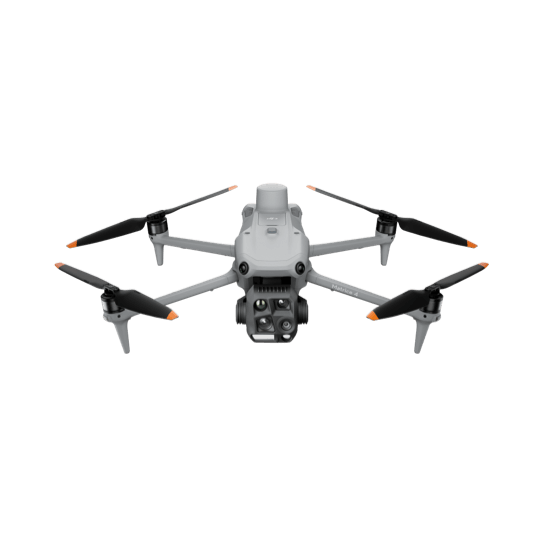
DJI Matrice 4T
Dealer pricing; DHS paid $12,958
Performance Breakdown
Skydio X10
add_circle PROS
- On the Blue UAS Cleared List and NDAA-compliant; designed, assembled and supported in the US
- IP55 and a -20 to 45 °C operating range, both ahead of the Matrice 4T on paper
- Six navigation cameras give 360° obstacle avoidance, with NightSense for autonomous night flight
- Modular sensor packages: 64 MP narrow, 48 MP 190 mm telephoto and 640×512 FLIR Boson+ thermal in the VT300-Z
- Cellular link options (Connect Fusion, FirstNet, Verizon) for beyond-radio operations
remove_circle CONS
- Roughly twice the Matrice 4T's price as tested by DHS ($28,382 vs $12,958)
- Scored 3.7 out of 5 in the DHS Hudson Yards evaluation against a reported 4.6 for the Matrice 4T (single-source figure)
- Shorter rated flight time: 40 minutes against 49
- Shorter radio range: 12 km against 25 km (FCC) on O4 Enterprise
- Flagship sensor package and accessories are sold separately; pricing is by quote
DJI Matrice 4T
add_circle PROS
- Four cameras in a 1.2 kg airframe: 48 MP wide, 48 MP medium tele, 48 MP 16× tele and 640×512 thermal with 28× digital zoom
- 49-minute rated flight time and 25 km O4 Enterprise link (FCC)
- 1,800 m laser rangefinder and NIR auxiliary light for night work
- Reported top score in the DHS Hudson Yards test (4.6 of 5, single source) at under half the X10D's price
- RTK-ready (1 cm + 1 ppm) and compatible with the wider DJI Enterprise ecosystem
remove_circle CONS
- On the FCC Covered List: no new US authorizations, and many US agencies are barred by state law or grant terms
- No IP rating, against the X10's IP55
- Narrower operating range: -10 to 40 °C
- 200 g payload limit against 385 g on the X10
- Not on the Blue UAS list and not NDAA-compliant, which rules it out of federal programmes
The Quick Verdict
On the specification sheet and in the only independent head-to-head test on record, the DJI Matrice 4T is the stronger aircraft. It carries three 48 MP cameras and a 640×512 thermal sensor in a 1.2 kg body, flies for a rated 49 minutes, holds a 25 km O4 Enterprise link, adds a 1,800 m laser rangefinder, and in the DHS SAVER evaluation at Hudson Yards it scored a reported 4.6 out of 5 against the Skydio X10D's 3.7, at less than half the price DHS paid. The Skydio X10 answers with the things the Matrice cannot offer in the United States: a place on the Blue UAS Cleared List, NDAA compliance, US assembly and support, IP55 weather sealing, a wider -20 to 45 °C operating range, 385 g of modular payload and cellular connectivity through Connect Fusion. That is why the choice is really two choices. If you are a US public-safety or federal buyer, the X10 is the one you are allowed to purchase, and it is a capable aircraft, not a compromise. If you are buying anywhere the FCC Covered List does not reach, or you are weighing capability per dollar on its own, the Matrice 4T wins, and the DHS test is the clearest evidence of that.

Alihan Demirdaş is the founder and editor of Drone Ranker. A software developer by profession, he researches drones the way he reads code: from the primary documents. Every review, comparison and news story on the site is written by him from manufacturer specification sheets, FCC and EU certification filings, aviation-authority rules and dated press releases, with the source linked. Unless a page is labelled hands-on, the analysis is documentary; when an aircraft is in his hands, the page says so and carries his own photographs and flight notes. He covers consumer, professional and agricultural drones and is based in Türkiye.
Technical Specifications
Last updated: Oct 2026| Feature | Skydio X10 | DJI Matrice 4T |
|---|---|---|
| Weight | Under 2,130 g (4.7 lb) | 1,219 g (1,420 g max takeoff) stars |
| Dimensions | 350 mm long folded (13.8 in) | 260.6×113.7×138.4 mm folded stars |
| Volume | Not stated | 4,101 cm³ folded |
| Max Speed | 20 m/s (45 mph) | 21 m/s (forward) stars |
| Max Flight Distance | 12 km (7.5 mi) link range, Skydio Connect SL | 25 km (FCC) / 12 km (CE) video range stars |
| Sensor Size | VT300-Z: 64 MP narrow + 48 MP telephoto + 640×512 thermal | 48 MP 1/1.3-inch wide + 48 MP medium tele + 48 MP 1/1.5-inch tele + 640×512 thermal |
| Megapixels | 64 MP (narrow camera) stars | 48 MP (×3 cameras) |
| Max ISO | Not stated | Not stated |
| Flight Time | 40 mins | 49 mins stars |
| Max Resolution | 4K (narrow and telephoto) | 4K (wide, medium tele, tele) |
| Movie Bitrate | Not stated | Not stated |
| Field of View | 46 mm equiv. narrow; 190 mm equiv. telephoto (13°) | Wide, medium tele and 16× optical tele (112× hybrid) stars |
| Transmission Range | 12 km (SL); cellular with Connect Fusion | 25 km (O4 Enterprise, FCC) stars |
| Wind Resistance | 12.8 m/s gusts (28.6 mph) stars | 12 m/s |
| Obstacle Avoidance | Omnidirectional, six navigation cameras; NightSense for night autonomy | Omnidirectional binocular vision + 3D infrared sensor |
| Battery Power | Not stated | 6741 mAh (99.5 Wh) |
| Charge Time | Not stated | Not stated |
| Internal Storage | Not stated | Not stated |
| GPS | Yes | Yes |
| Obstacle Detection | Yes | Yes |
| Return to Home | Yes | Yes |
| Removable Battery | Yes | Yes |
| Shoots RAW | Yes | Yes |
| HDR Mode | Yes | Yes |
| Weather Sealed | Yes | No |
| Best For | US public-safety and utility agencies that must buy NDAA-compliant, Blue UAS-listed aircraft | Public-safety, inspection and SAR teams outside US procurement restrictions who want the most sensor per gram |
| DHS SAVER score, Hudson Yards (2025) | 3.7 / 5 (public report) | 4.6 / 5 (addendum, single source) stars |
| Price as tested by DHS | $28,382 (X10D) | $12,958 stars |
| Blue UAS list / NDAA | Yes / Yes stars | No / No (FCC Covered List) |
| IP rating | IP55 stars | None |
| Operating temperature | -20 to 45 °C stars | -10 to 40 °C |
| Max payload | 385 g stars | 200 g |
| Laser rangefinder | Not standard | 1,800 m stars |
This is a specification-based editorial analysis using Skydio's and DJI's published specifications and the DHS SAVER public report. The DJI test score comes from an addendum reported by DroneXL and not published by DHS; it is marked single-source wherever it appears. No physical product testing is claimed.
Why this comparison exists
Since the FCC placed DJI on the Covered List on 22 December 2025, the Matrice 4T has been the aircraft many US agencies wanted and increasingly cannot buy, and the Skydio X10 has been the aircraft they are steered towards. In September 2026 the Department of Homeland Security published the first independent evaluation to fly both in the same place with the same pilots. That report, and the withheld DJI numbers that followed it, turned a procurement question into a measurable one.
Cameras and thermal: four lenses against three
The Matrice 4T carries a 48 MP 1/1.3-inch wide camera, a 48 MP medium telephoto, a 48 MP 1/1.5-inch telephoto with 16× optical and 112× hybrid zoom, and a 640×512 thermal camera, plus a laser rangefinder good to 1,800 m and a near-infrared light for night work. The X10's VT300-Z package answers with a 64 MP narrow camera, a 48 MP 190 mm-equivalent telephoto and a 640×512 FLIR Boson+ thermal with sensitivity Skydio quotes at under 30 mK; the VT300-L swaps the telephoto for a 1-inch 50 MP wide camera. For reading a licence plate or a hull number from distance the Matrice's zoom chain is the longer tool; for thermal sensitivity Skydio's published figure is the stronger one. In the DHS test the evaluators gave the Matrice 4T 4.9 for both visual and thermal acuity, according to the reported addendum.
Flight, link and the Manhattan problem
DJI rates the Matrice 4T at 49 minutes and 21 m/s with a 25 km O4 Enterprise link in FCC regions; Skydio rates the X10 at 40 minutes, 20 m/s and 12 km on its Connect SL radio. Those are manufacturer maximums. The more useful number is what happened in Hudson Yards, where the DHS report says GPS cannot be relied on and radio links are inconsistent. The X10D held position and completed the course, scoring 3.7 overall with some pixelation and short-range link drops noted; three of the other four Blue aircraft could not hold position at all. The Matrice 4T, per the addendum, scored 4.9 for link quality and held position where other systems failed. Skydio's structural advantage is that Connect Fusion can hand the link to a cellular network when radio fails, a capability the DJI aircraft does not have in the US.
Weather, temperature and payload
This is where the X10 wins outright. It is certified IP55, rated from -20 to 45 °C and for gusts to 28.6 mph, and it accepts 385 g of modular payload: spotlight, speaker, parachute, dropper, RTK module. DJI publishes no IP rating for the Matrice 4 series, a -10 to 40 °C range and a 200 g payload limit. For a northern fire department flying in sleet, or a utility that needs a parachute for flights over people, those lines on the sheet matter more than zoom.
Price and what you are allowed to buy
DHS paid $28,382 for its X10D and $12,958 for its Matrice 4T, which is the most transparent price comparison available for two aircraft normally sold by quote. The gap buys compliance: the X10 is on the Blue UAS Cleared List, NDAA-compliant and assembled in the US, which is what federal grants and a growing number of state laws require. The Matrice 4T remains legal to buy from pre-cut-off dealer stock at the federal level, but Florida, Arkansas, Tennessee and other states prohibit agency use of Covered List drones, and the FCC's component rule taking effect on 13 October 2026 tightens the market further. Outside the US none of this applies, and the Matrice 4T is simply the more capable aircraft for the money.
Why Trust Drone Ranker?
Related Drone Guides & Reviews
Context, limitations, and sources
Written because the DHS SAVER report (SAVER-T-R-39, September 2026) is the first independent test to fly a Blue UAS aircraft and a DJI Matrice 4T through the same course with the same pilots. The DJI score (4.6) comes from an addendum reported by DroneXL on 1 October 2026 and is not published by DHS; it is labelled single-source throughout. Specifications are taken from Skydio and DJI product pages. Prices are the amounts DHS paid for its test units, not list prices.
Limitations
No physical testing by Drone Ranker. Skydio publishes fewer numeric specifications than DJI (battery capacity, bitrate, ISO are not stated). The X10D tested by DHS is the defence configuration; the civil X10 shares its airframe and sensors. Payload, IP rating and operating-temperature figures are manufacturer claims. US purchasing eligibility depends on state law and grant conditions that change frequently.