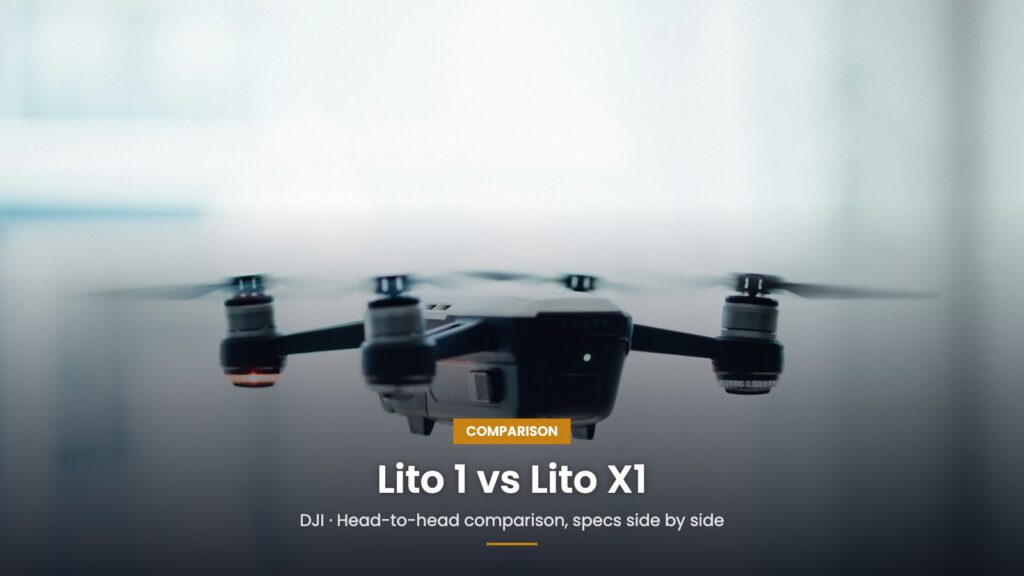
DJI Lito 1 vs DJI Lito X1
Buy the Lito X1 if image quality matters to you. It has a larger 1/1.3-inch sensor (against 1/2-inch), D-Log M, forward LiDAR on top of omnidirectional vision sensing, and 42 GB of internal storage. The Lito 1 makes sense for casual users who want a…
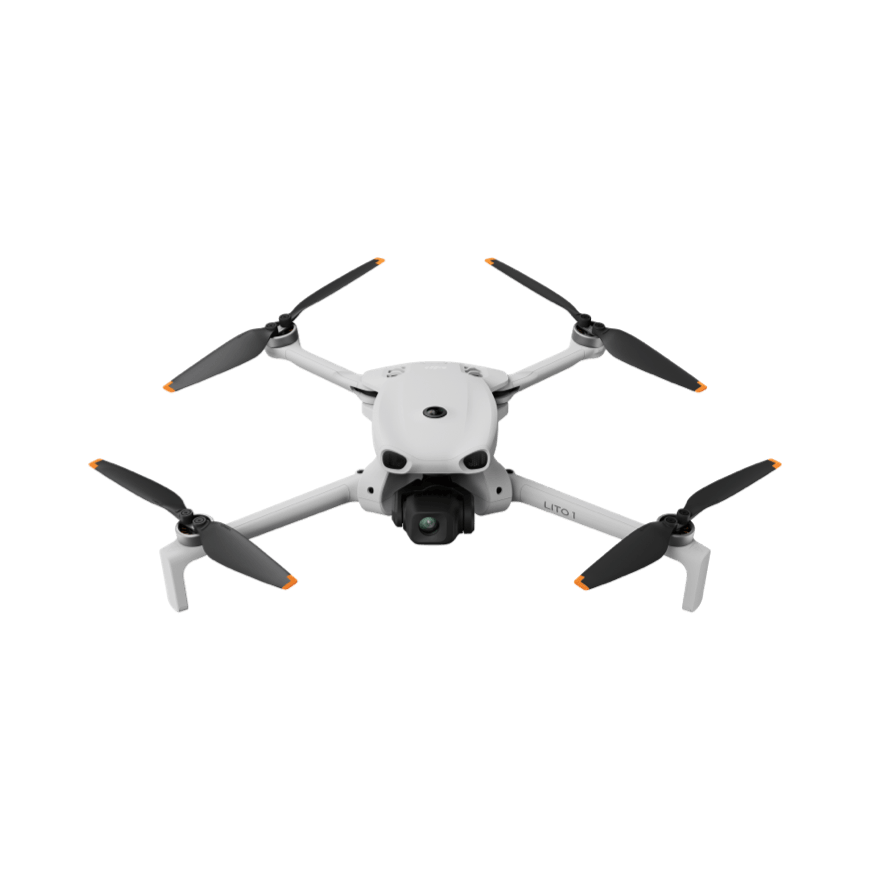
DJI Lito 1
N/A
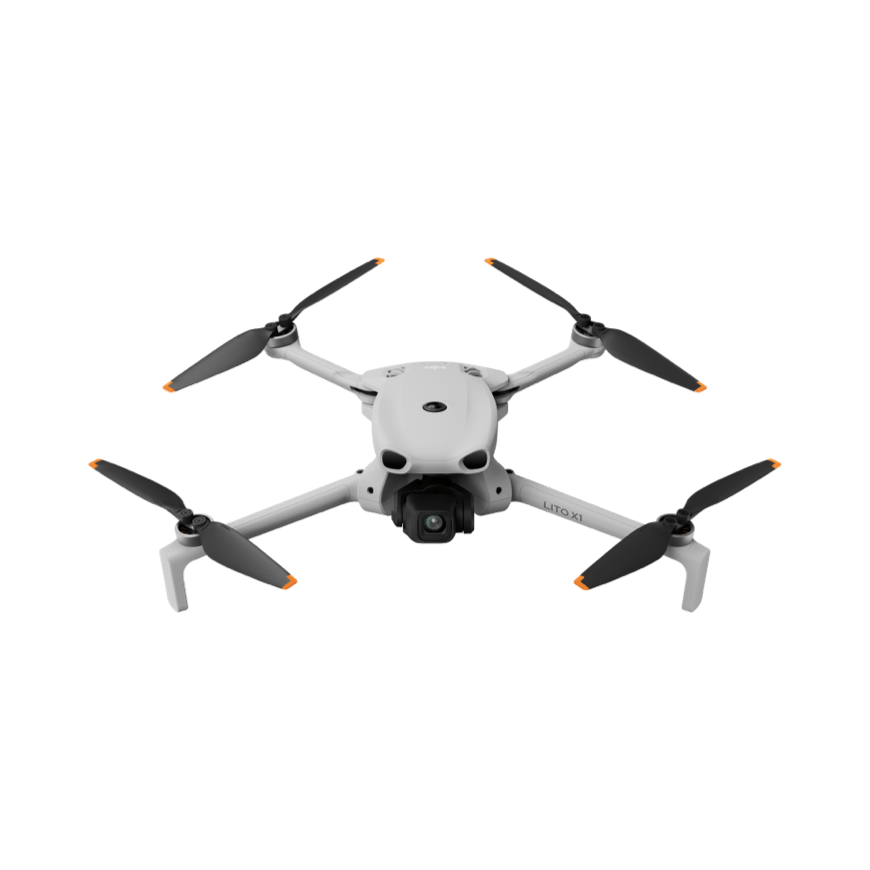
DJI Lito X1
N/A
Technical Specifications
Last updated: Oct 2026| Feature | DJI Lito 1 | DJI Lito X1 |
|---|---|---|
| Weight | Approx. 249 g | Approx. 249 g |
| Dimensions | Folded: 149×94×62 mm | Folded: 144×94×62 mm |
| Volume | N/A | N/A |
| Max Speed | 18 m/s | 18 m/s |
| Max Flight Distance | 20 km | 21 km |
| Sensor Size | 1/2-inch CMOS | 1/1.3-inch CMOS |
| Megapixels | 48 MP | 48 MP |
| Max ISO | 12800 | 12800 (Normal Video) |
| Flight Time | 36 minutes | 36 minutes |
| Max Resolution | 4K: 3840×2160@100fps | 4K: 3840×2160@100fps |
| Movie Bitrate | 130 Mbps | 130 Mbps |
| Field of View | 79° | 82.1° |
| Transmission Range | 15 km (IC) | 15 km (IC) |
| Wind Resistance | 10.7 m/s | 10.7 m/s |
| Obstacle Avoidance | Omnidirectional monocular vision system | Omnidirectional monocular vision system, supplemented with forward-facing LiDAR |
| Battery Power | 2590 mAh | 2788 mAh |
| Charge Time | 73 minutes (drone) | 73 minutes (drone) |
| Internal Storage | None | 42 GB |
| GPS | Yes | Yes |
| Obstacle Detection | Yes | Yes |
| Return to Home | Yes | Yes |
| Removable Battery | Yes | Yes |
| Shoots RAW | Yes | Yes |
| HDR Mode | No | No |
| Weather Sealed | No | No |
| Best For | Beginners and casual users | Creators who want better image quality and grading options under 250 g |
| Operating Temperature | 0° to 40° C | -10° to 40° C |
| Color Mode | Normal (8-bit 4:2:0, 10-bit 4:2:0) | Normal (8-bit 4:2:0, 10-bit 4:2:0), D-Log M (10-bit 4:2:0) |
| LiDAR Sensor | No | Yes (Forward-Facing) |
The sensor is the main difference
Both record 4K at up to 100fps, so frame rates don't separate them. The Lito X1 uses a 1/1.3-inch sensor and the Lito 1 a 1/2-inch one; the larger sensor generally means better low-light results and dynamic range. The X1 also adds D-Log M. If you post clips straight from your phone, log footage adds work for little gain; if you grade, it is a real reason to pay more.
LiDAR on top of the same vision system
Both use an omnidirectional monocular vision system. The Lito X1 adds a forward-facing LiDAR sensor for more precise obstacle detection ahead. Neither is collision-proof around thin wires, reflective surfaces or textureless walls, especially in low light or at speed.
Flight time, weight and the Plus battery
DJI lists the same numbers for both: about 249 g, 18 m/s and 36 minutes, or 52 minutes with the Intelligent Flight Battery Plus. The Plus battery can push either drone past 250 g, which changes the rules in some places; see the registration-by-weight guide. In the EU and UK the Plus battery is not supported for the Lito 1, while the Lito X1 Fly More Combo Plus (DJI RC 2) is compliant there.
Only the X1 has internal storage (42 GB); the Lito 1 relies on a microSD card. For a three-way look that adds the Mini 3, see Lito X1 vs Lito 1 vs Mini 3, or read the Lito X1 specs analysis and Lito 1 overview.
DJI Lito 1
Strengths
- About 249 g with the standard battery
- 4K/100fps video
- 36-minute rated flight time, 52 with the Plus battery
- O4 transmission
Drawbacks
- Smaller 1/2-inch sensor
- No internal storage
- No D-Log M
- No LiDAR
- Plus battery not supported in the EU and UK
DJI Lito X1
Strengths
- 1/1.3-inch sensor
- Forward LiDAR added to omnidirectional vision sensing
- 42 GB of internal storage
- D-Log M for color grading
- Plus battery combo available in the EU and UK
Drawbacks
- Likely costs more than the Lito 1
- No flight-time or speed advantage over the Lito 1
- Plus battery can take it over 250 g
Pick the Lito X1 for its sensor, LiDAR and storage
Buy the Lito X1 if image quality matters to you. It has a larger 1/1.3-inch sensor (against 1/2-inch), D-Log M, forward LiDAR on top of omnidirectional vision sensing, and 42 GB of internal storage.
The Lito 1 makes sense for casual users who want a simple sub-250 g drone and will likely pay less for it. In the air the two are nearly identical on paper: both weigh about 249 g, fly at up to 18 m/s and are rated for 36 minutes, or 52 with the Plus battery.
One difference matters in Europe: the Plus battery is not supported on the Lito 1 in the EU and UK, while the Lito X1 Fly More Combo Plus is.
Check DJI Lito X1 price on Amazon →Affiliate link. We may earn a commission at no extra cost to you.
Context and limitations
This comparison helps buyers choose between DJI Lito 1 and DJI Lito X1 by translating the specification table into camera, flight, safety, workflow and value decisions. Recommendations are matched to user needs rather than based on a single headline number.
Limitations
The Friday Brief
One email a week on what changed in drones
FCC and FAA rule changes, DJI leaks checked against filings, and the week’s new comparisons. Every Friday, nothing else.
Free. Unsubscribe in one click. Sent with Kit; see our privacy policy.
Follow us on Google too: add Drone Ranker as a preferred source →

Alihan Demirdaş is the founder and editor of Drone Ranker. A software developer by profession, he researches drones the way he reads code: from the primary documents. Every review, comparison and news story on the site is written by him from manufacturer specification sheets, FCC and EU certification filings, aviation-authority rules and dated press releases, with the source linked. Unless a page is labelled hands-on, the analysis is documentary; when an aircraft is in his hands, the page says so and carries his own photographs and flight notes. He covers consumer, professional and agricultural drones and is based in Türkiye.