Potensic ATOM 3: A Sub-249 g DJI Alternative for US Buyers

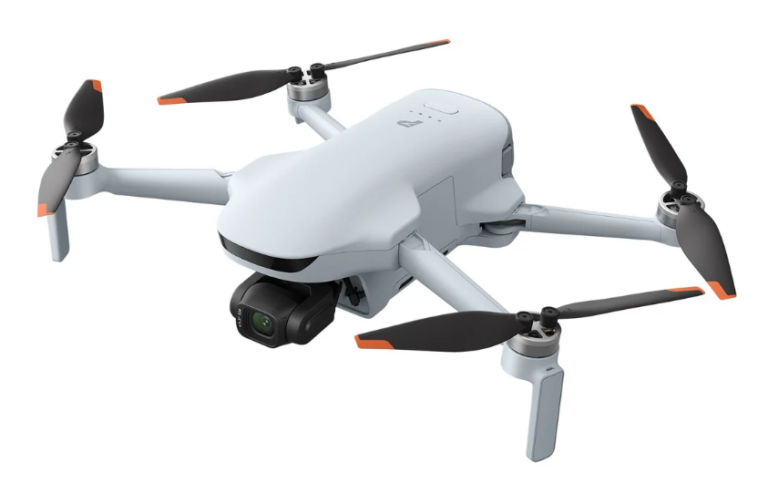
On paper, the Potensic ATOM 3 is the closest a non-DJI drone has come to DJI’s Mini series. It stays under 249 g and brings a 1/1.3-inch sensor, 4K video at up to 60fps, 50MP photos, a three-axis gimbal, AI subject tracking, up to 40 minutes of rated battery life and a transmission system rated for 16 km. An optional larger battery stretches the advertised flight time to 50 minutes.
Two things hold it back. It has no forward or omnidirectional obstacle avoidance, and as of August 31, 2026, Potensic’s official store lists the ATOM 3 as unavailable in the United States, with ATOM 3 Potensic Care not offered there.
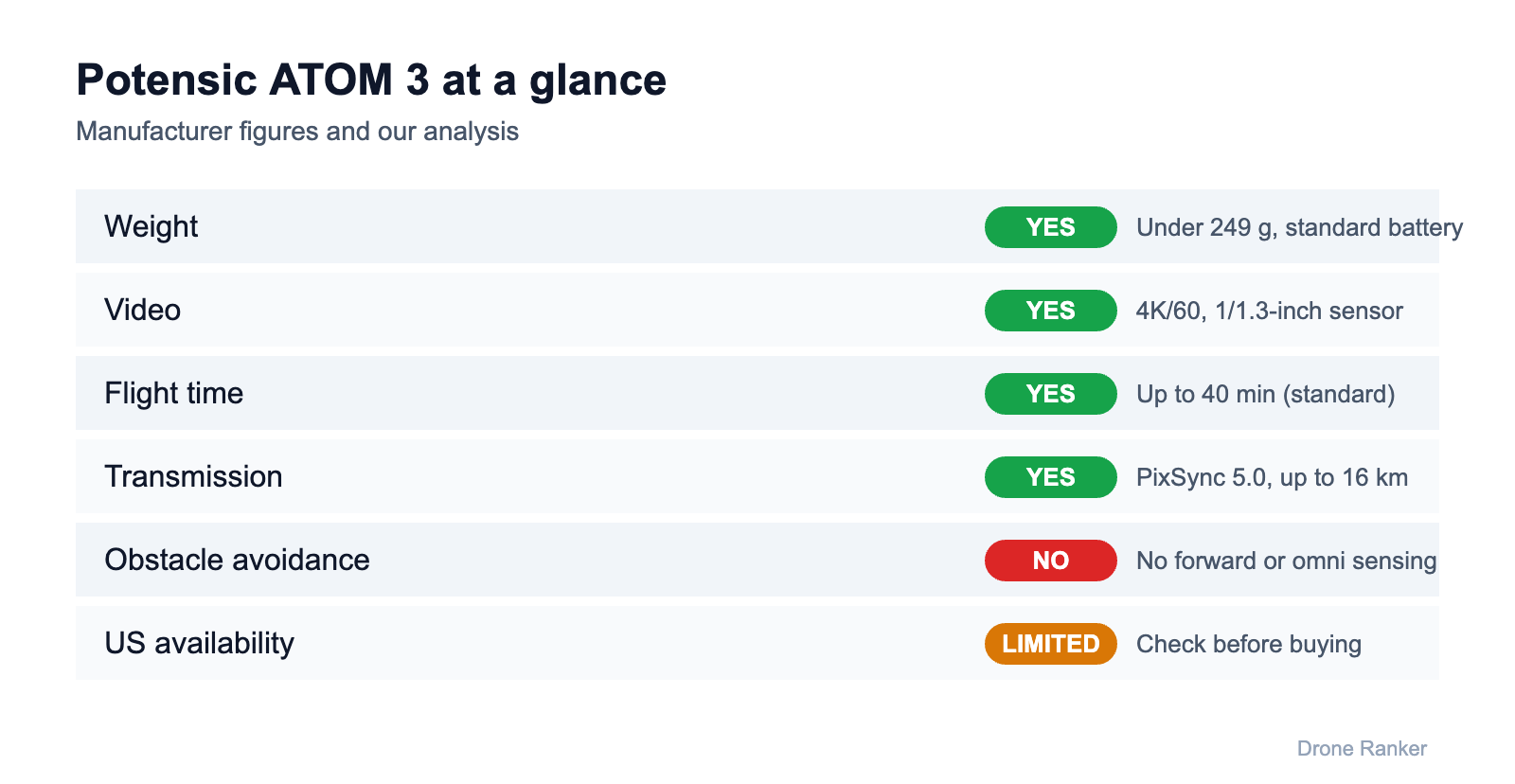
Potensic is also a foreign manufacturer, so its US presence rests on authorizations granted before 22 December 2025, not on the fact that it isn’t DJI. What that means for every alternative brand.
Check the Latest Potensic ATOM 3 Fly More Combo Price
Compare today's price, available bundles, and verified customer reviews before making your purchase.
Check Price on Amazon →Disclosure: As an Amazon Associate, we earn from qualifying purchases at no additional cost to you.
Table of Contents
Potensic ATOM 3 specs
| Specification | Potensic ATOM 3 |
|---|---|
| Weight | Under 249g with standard battery |
| Camera sensor | 1/1.3-inch CMOS |
| Photo resolution | Up to 50MP, RAW and JPEG |
| Video | Up to 4K/60fps HDR |
| Stabilization | 3-axis mechanical gimbal |
| Color profile | P-Log |
| Standard flight time | Up to 40 minutes |
| Plus battery flight time | Up to 50 minutes |
| Transmission | PixSync 5.0 |
| Maximum transmission range | Up to 16 km |
| Live view | 1080p/60fps |
| Wind resistance | 10.7 m/s / Level 5 |
| Tracking | AI Track 2.0 |
| GNSS | GPS + GLONASS + Galileo + BeiDou |
| EU classification | C0 |
| Obstacle avoidance | No forward/omnidirectional system |
Weight and size
Potensic lists the ATOM 3 at under 249g with its standard battery, propellers and a microSD card fitted, and it is classed C0 in Europe. Lighter drones face fewer rules in many markets, though you should still check local law before flying.
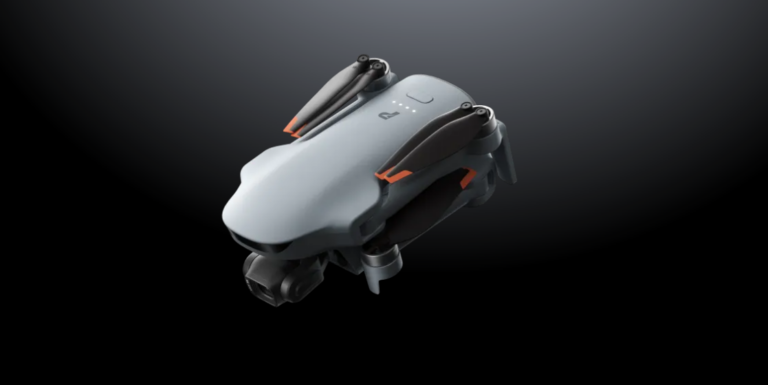
Folded, it measures about 148 × 91 × 62 mm, small enough for a camera bag. Reviewers have found the redesigned body feels more solid and polished than earlier generations without losing that portability.
The Potensic ATOM 3 camera
The move to a 1/1.3-inch CMOS sensor is a big step up from the smaller sensor in the ATOM 2. It shoots 50MP stills, including RAW, and HDR video up to 4K/60fps, with P-Log for grading. A three-axis mechanical gimbal handles stabilization, which many cheaper sub-250 g drones still lack. There are also panorama modes, a 48mm-equivalent Med-Tele mode, slow motion and 2.7K vertical shooting.
That vertical mode is not the rotating-camera kind some DJI drones offer. Published reviews indicate the footage is cropped rather than shot with the camera turned 90 degrees. It is fine for Reels, TikTok and Shorts, but creators who want maximum vertical resolution should know the difference.
In daylight the specs are very competitive, and independent reviewers have generally found the footage detailed and stable. Low light is weaker. The lens is f/2.8, much narrower than the f/1.7 lenses on several DJI Mini cameras. Potensic’s AI Night mode can’t fully make up for the missing light, and reviewers report noticeably weaker results at night. For daytime scenery, sunsets and travel footage, the camera is one of the drone’s strengths. If you shoot a lot after dark, several DJI models still have the edge.
Flight time
The standard battery is rated for up to 40 minutes and the Smart Battery Plus for 50 minutes, both under ideal test conditions. Wind, return-to-home reserves and hard flying will cut that in practice, but it is still impressive for a drone this size. Potensic says three extended batteries give up to 135 minutes in total, and its parallel hub charges three standard batteries in about 90 minutes.
Watch the battery weight. The standard pack is about 80g and the Plus about 123g, and the sub-249g figure is quoted with the standard one. Check what the heavier setup means under your local rules before assuming it gets the same treatment. For most buyers the 40-minute battery is the better balance.
PixSync 5.0 transmission
PixSync 5.0 uses three bands (2.4 GHz, 5.2 GHz and 5.8 GHz) and switches between them automatically. Potensic advertises up to 16 km in unobstructed, interference-free conditions, with 1080p/60fps live view. Visual-line-of-sight rules in many countries keep real flights far shorter. The useful part of a big range figure is signal headroom around interference, not the distance itself.
Tracking and QuickShots
AI Track 2.0 offers Follow, Parallel and Spotlight modes, plus QuickShots: Pull-Away, Rocket, Circle, Spiral, Boomerang, Dolly Zoom and Drift. For solo creators that means picking a subject and letting the drone handle the camera move. With the right propeller guards fitted, it can also track much closer to the ground than its normal limits allow, which suits walking and cycling shots.
Which brings up the drone’s biggest limitation.
Does the ATOM 3 have obstacle avoidance?
No. It has no forward, backward, sideways or upward obstacle sensors, so it will not stop or steer around a tree, wall or cable on its own. The ATOM 2 and original ATOM were the same; Potensic has not added collision sensing in three generations.
What it has is a downward vision sensor plus a time-of-flight sensor. They handle stable low-altitude hovering (Potensic quotes roughly 0.1 m vertical and 0.3 m horizontal accuracy with the sensors active), landing protection over water or uneven ground, and landing-pad recognition on the final descent. The app’s AR return-to-home overlay draws the home point and path on the live feed, but the drone still flies that path blind.
| Sub-250 g drone | Obstacle sensing | Sold in the US |
|---|---|---|
| Potensic ATOM 3 | None (downward positioning only) | No official release |
| Potensic ATOM 2 | None (downward positioning only) | Yes |
| DJI Mini 4K / Mini 3 | None (downward only) | Yes |
| DJI Flip | Forward 3D infrared + downward | Yes |
| DJI Neo 2 | Omnidirectional (LiDAR + vision) | No |
| DJI Mini 4 Pro / Mini 5 Pro | Omnidirectional vision (Mini 5 Pro adds forward LiDAR) | Mini 4 Pro yes, Mini 5 Pro no |
So the ATOM 3 sits with the budget DJI models, not the Flip or the Mini Pro line. For forward sensing at a similar price in the US, the DJI Flip is the obvious alternative. Outside the US, the DJI Neo 2 gives all-round sensing for less money, with a smaller camera.
This bites hardest in tracking modes. A drone can lock onto you perfectly and still fly into a branch. Reviewers have repeatedly named the missing sensors as its most significant compromise, so beginners using Follow near trees, buildings, signs or cables need to be careful.
ATOM 3 vs DJI
The ATOM 3 does not beat every DJI Mini outright. Potensic put its effort into the specs buyers notice first: sensor size, 4K/60, flight time, range and weight. DJI still leads on obstacle sensing, software polish, image processing, ecosystem and, depending on the model, low light. For model-by-model detail, see ATOM 3 vs DJI Mini 5 Pro and ATOM 3 vs DJI Lito X1.
Buying in the US
US buyers should be more careful than anyone else. The drone may turn up on Amazon or at other third-party retailers, but a retailer listing is not the same as manufacturer support. Check warranty terms, repair options and the retailer’s return policy first. That doesn’t make it a bad purchase, but for a drone that will eventually need propellers, batteries or repairs, long-term support counts.
Who it suits, and who should skip it
It suits travelers who want sub-249g weight, a small folded size and long flight time, and first-time aerial photographers who want RAW photos, 4K/60 and a real mechanical gimbal from their first serious drone. Creators get tracking, QuickShots and vertical video; experienced users get manual controls and P-Log.
Skip it if you often fly close to obstacles or want to use tracking through forests or around buildings. Night shooters will do better with a brighter lens. And US buyers who want official repairs and predictable support should check the availability situation first.
Outside the US, the ATOM 3 belongs near the top of a sub-250 g shortlist if you mostly fly in the open and in daylight. It is no longer interesting just for being cheaper than DJI. The missing obstacle sensing is the one compromise I would not wave away, and in the US the support question tips me toward a DJI model that is officially sold here.
The Friday Brief
One email a week on what changed in drones
FCC and FAA rule changes, DJI leaks checked against filings, and the week’s new comparisons. Every Friday, nothing else.
Free. Unsubscribe in one click. Sent with Kit; see our privacy policy.
Follow us on Google too: add Drone Ranker as a preferred source →
Continue Reading
All News