DJI Mavic 3 Pro vs DJI Air 3S
For most travel creators and hybrid shooters, the DJI Air 3S is the better buy. At $1,099 it costs about half as much as the $2,199 Mavic 3 Pro, flies a little longer, reaches further on O4, adds forward LiDAR for low-light obstacle detection, weighs…
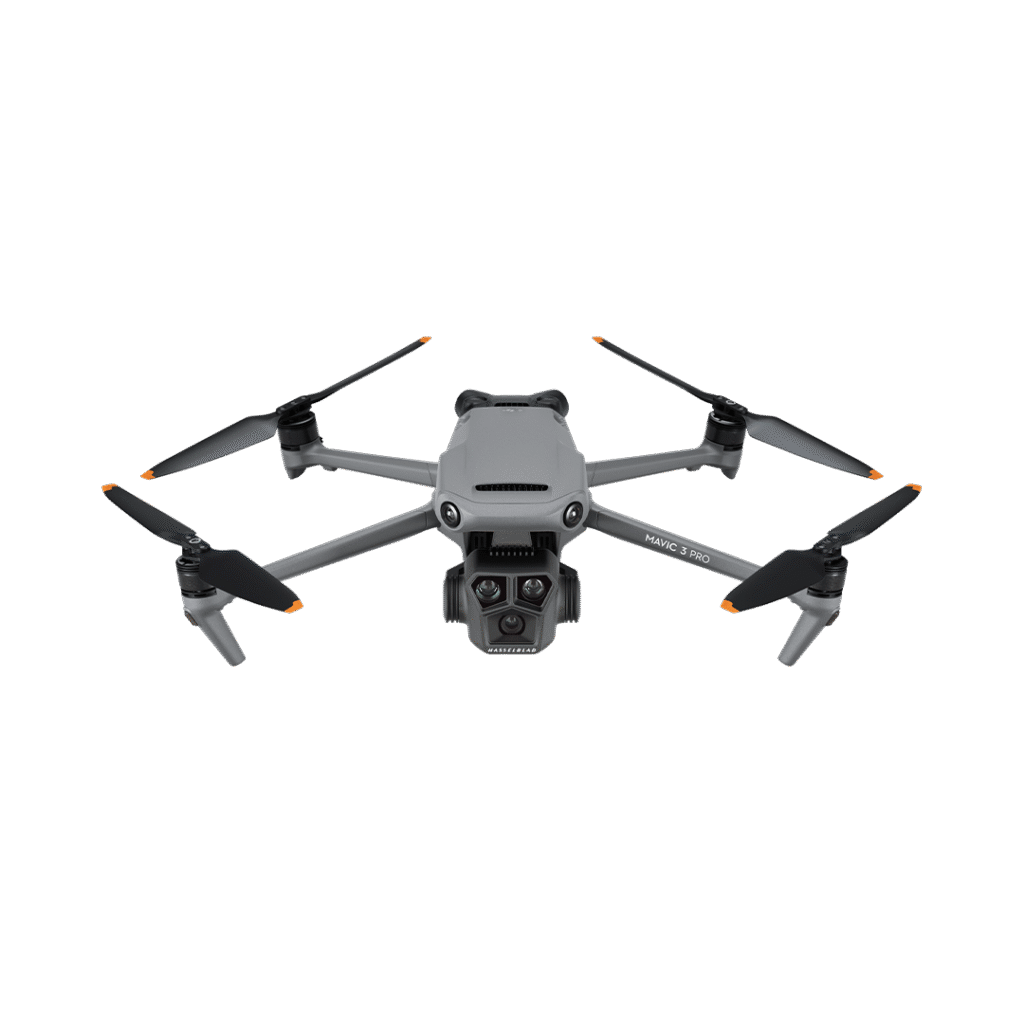
DJI Mavic 3 Pro
$2,199
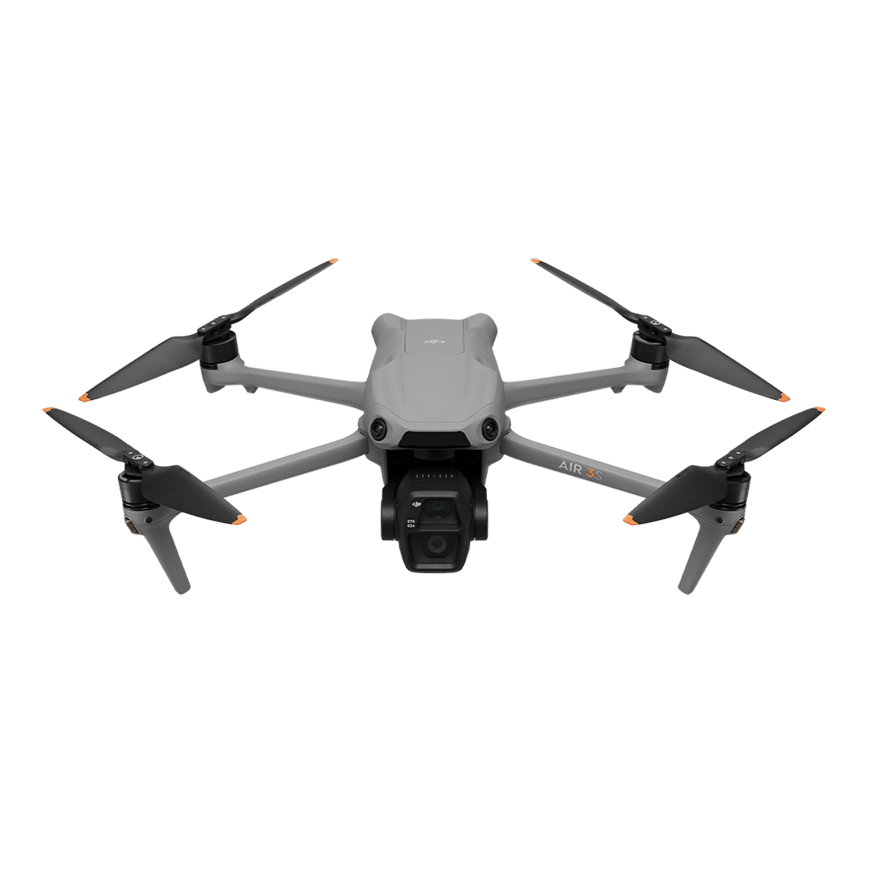
DJI Air 3S
$1,099
Technical Specifications
Last updated: Oct 2026| Feature | DJI Mavic 3 Pro | DJI Air 3S |
|---|---|---|
| Weight | 958g | 724g |
| Dimensions | 231.1×98×95.4 mm | 214.19×100.63×89.17 mm |
| Volume | 2161 cm³ | 1922 cm³ |
| Max Speed | 21 m/s | 21 m/s |
| Max Flight Distance | 28 km | 32 km |
| Sensor Size | 4/3 CMOS (Hasselblad) | 1-inch CMOS |
| Megapixels | 20 MP | 50 MP |
| Max ISO | 12800 ISO | 12800 ISO |
| Flight Time | 43 mins | 45 mins |
| Max Resolution | 5.1K/50fps | 4K/120fps |
| Movie Bitrate | 200 Mbps | 130 Mbps |
| Field of View | 84° | 84° |
| Transmission Range | 15km (O3+) | 20km (O4) |
| Wind Resistance | Level 6 (12 m/s) | Level 6 (12 m/s) |
| Obstacle Avoidance | Omnidirectional Vision + Infrared | Omnidirectional Vision + LiDAR |
| Battery Power | 5000 mAh | 4276 mAh |
| Charge Time | 1.6 hours | 1.3 hours |
| Internal Storage | 8GB | 42GB |
| GPS | Yes | Yes |
| Obstacle Detection | Yes | Yes |
| Return to Home | Yes | Yes |
| Removable Battery | Yes | Yes |
| Shoots RAW | Yes | Yes |
| HDR Mode | Yes | Yes |
| Weather Sealed | Yes | Yes |
| Best For | Professional cinematographers | Travel photographers and content creators |
| Number of Cameras | 3 (24mm, 70mm, 166mm) | 2 (24mm, 70mm) |
| ProRes Support | Yes (Cine version) | No |
| Transmission System | O3+ | O4 |
| EU Drone Class | C2 | C1 |
| LiDAR Night Sensing | No | Yes (forward-facing) |
The Mavic's 4/3 sensor and third camera
The Mavic 3 Pro's main camera uses a 4/3 sensor, roughly 70% larger than the Air 3S's 1-inch sensor, which favors dynamic range and low-light work. It records 5.1K/50fps and adds a 166 mm tele the Air 3S lacks. The Air 3S tops out at 4K but reaches 120fps for slow motion.
ProRes is only on the Mavic 3 Pro Cine (422 HQ, 422 and 422 LT). The standard Mavic 3 Pro records H.264 and H.265, so check which version a price refers to.
LiDAR gives the Air 3S the edge after dark
Both have omnidirectional vision sensing. The Mavic 3 Pro adds infrared sensors, while the Air 3S adds a forward LiDAR rated to detect obstacles in near darkness down to 10% reflectivity. Vision sensors are weaker in low light, so on paper the Air 3S is the safer drone at dusk. Neither is collision-proof around thin wires or glass.
EU class, range and flight time
In the EU, the 724 g Air 3S is C1, which allows flying closer to people, while the 958 g Mavic 3 Pro is C2 with stricter distance requirements from uninvolved persons. The Air 3S's O4 link reaches 20 km FCC and adds the 5.1 GHz band; the Mavic's O3+ reaches 15 km. Listed flight times are 45 minutes for the Air 3S and 43 for the Mavic, with hover times of 41 and 37 minutes.
Batteries don't swap
The Mavic 3 Pro uses a 5,000 mAh, 77 Wh battery; the Air 3S uses a 4,276 mAh, 62.5 Wh pack in a different form factor. If you already own Mavic 3 batteries, that counts in the Mavic's favor. For the newer Mavic, see Mavic 4 Pro vs Mavic 3 Pro.
DJI Mavic 3 Pro
Strengths
- Three cameras at 24, 70 and 166 mm equivalent
- 4/3 Hasselblad sensor with f/2.8–f/11 variable aperture
- 5.1K video with 10-bit 4:2:2 color
- ProRes 422 HQ up to 3,772 Mbps on the Cine version
Drawbacks
- 958 g puts it in EU class C2, with stricter distance rules
- Only 8 GB internal storage on the standard version
- O3+ transmission, 15 km FCC
- About twice the price of the Air 3S
DJI Air 3S
Strengths
- Forward LiDAR helps detect obstacles in near darkness
- O4 transmission up to 20 km FCC
- 724 g and EU class C1
- 45-minute flight time
- 42 GB internal storage
Drawbacks
- Two cameras, no 166 mm tele
- No ProRes
- 4K maximum, no 5.1K
- 130 Mbps bitrate limits grading headroom
Most buyers should get the Air 3S
For most travel creators and hybrid shooters, the DJI Air 3S is the better buy. At $1,099 it costs about half as much as the $2,199 Mavic 3 Pro, flies a little longer, reaches further on O4, adds forward LiDAR for low-light obstacle detection, weighs 724 g with an EU C1 class and has 42 GB of internal storage.
The Mavic 3 Pro is still the stronger camera. Its 4/3 Hasselblad sensor, 166 mm tele, 5.1K recording and ProRes on the Cine version give professional cinematographers more framing options and more room in post. Pay the extra only if you will use those.
Check DJI Air 3S price on Amazon →Affiliate link. We may earn a commission at no extra cost to you.
Context and limitations
This comparison helps buyers choose between DJI Mavic 3 Pro and DJI Air 3S by translating the specification table into camera, flight, safety, workflow and value decisions. Recommendations are matched to user needs rather than based on a single headline number.
Limitations
The Friday Brief
One email a week on what changed in drones
FCC and FAA rule changes, DJI leaks checked against filings, and the week’s new comparisons. Every Friday, nothing else.
Free. Unsubscribe in one click. Sent with Kit; see our privacy policy.
Follow us on Google too: add Drone Ranker as a preferred source →

Alihan Demirdaş is the founder and editor of Drone Ranker. A software developer by profession, he researches drones the way he reads code: from the primary documents. Every review, comparison and news story on the site is written by him from manufacturer specification sheets, FCC and EU certification filings, aviation-authority rules and dated press releases, with the source linked. Unless a page is labelled hands-on, the analysis is documentary; when an aircraft is in his hands, the page says so and carries his own photographs and flight notes. He covers consumer, professional and agricultural drones and is based in Türkiye.