HOVERAir VERSA FCC Approval Revoked: U.S. Flight Kit Sales Halted

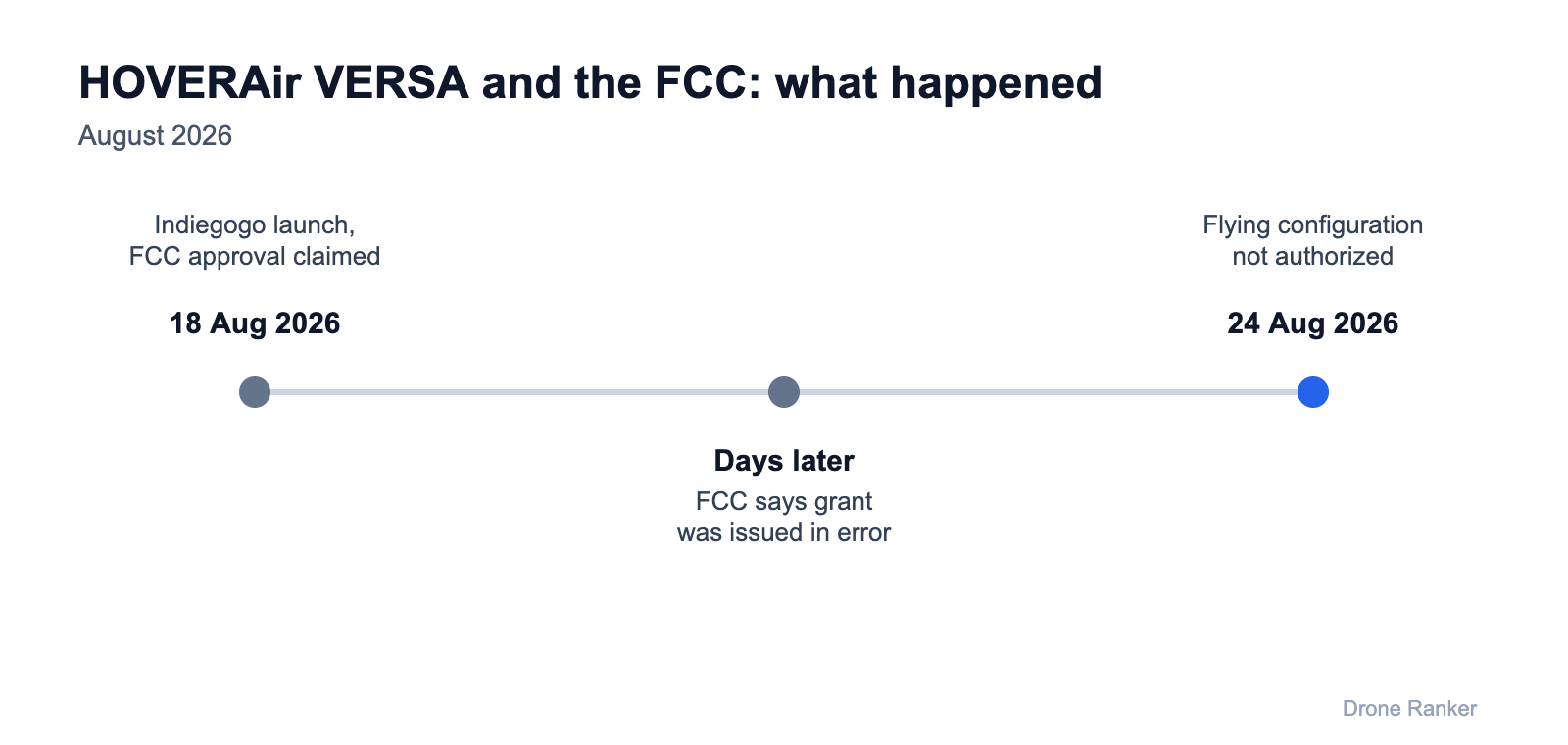
Update, August 24, 2026: this article was first published when HOVERAir said the VERSA had FCC authorization. The FCC has since said that authorization was granted in error, set it aside and removed it from the public database. The text below has been rewritten to reflect that. For what this means for backers, see what happens to VERSA preorders.
The HOVERAir VERSA FCC approval for its flying configuration is no longer valid in the United States, and U.S. buyers can no longer order the detachable Flight Kit that turns it into a drone. The FCC told DroneXL that the VERSA camera counts as a foreign-produced UAS critical component under the Covered List rules, so the authorization should never have been issued.
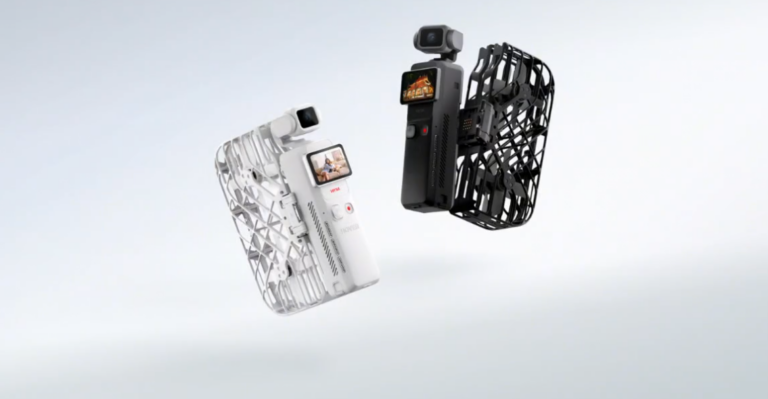
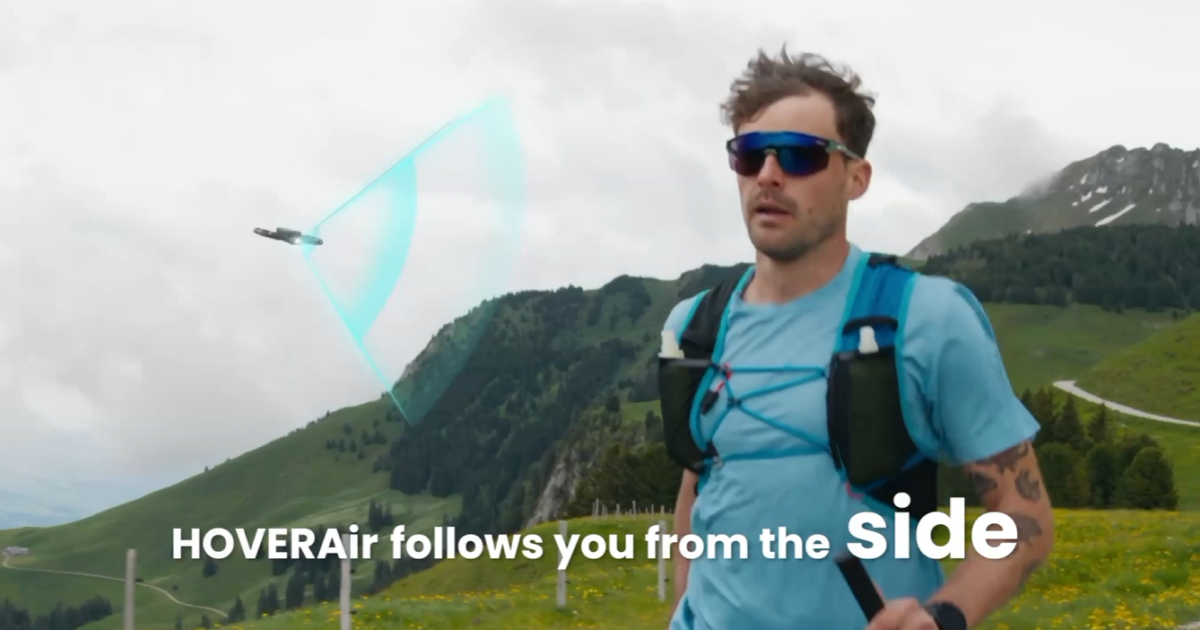
HOVERAir launched VERSA on Indiegogo on August 18 as a hybrid: a three-axis handheld gimbal camera on the ground, and an autonomous flying camera once the Flight Kit is attached. U.S. backers are now limited to the camera-only PocketOnly and PocketCombo packages.
Table of Contents
How the HOVERAir VERSA FCC approval came and went
At launch, HOVERAir said the product had FCC authorization for the U.S. market, and an equipment authorization for the VERSA camera module appeared in the FCC database. Early reports read that as a modular design clearing a hurdle that has blocked many newer foreign-made drones.
Within days the FCC told DroneXL the certification had been granted in error and set aside, and the listing disappeared from the public database. At about the same time, HOVERAir removed U.S. access to Indiegogo packages with the Flight Kit. HOVERAir has told backers the change relates to remaining “logistics updates” for the Flight Kit, but the FCC’s statement makes clear the underlying issue is regulatory.
Why the VERSA modular design looked like a way through the FCC
A normal camera drone is one integrated aircraft: camera, motors, flight controller, radios, antennas, battery, navigation hardware and propellers in a single body. VERSA’s main product is a handheld camera, and the separate Flight Kit adds the arms and propellers.
According to The Verge, HOVERAir submitted the core camera module for FCC authorization, while the Flight Kit reportedly contains no RF transmitter and talks to the camera through physical electrical contacts. The Verge asked whether that amounted to a loophole: without the Flight Kit, VERSA is a handheld camera, and the part that adds flight has no radio of its own needing a grant. It also noted that an authorization can face further scrutiny after it is issued.
That scrutiny came quickly. The Covered List includes not only complete foreign-produced drones but also UAS critical components, and the FCC decided the camera itself falls in that second group because it is designed to become part of a drone.
The FCC has now answered the question VERSA raised, at what point a camera becomes a drone, and the answer is “when it is built to fly”. Other manufacturers hoping to split a radio-equipped camera from a radio-free flight module should not expect that route to work.
HOVERAir VERSA and the DJI ban
None of this was ever a case of the FCC deciding “HOVERAir is allowed, DJI is banned”. The Covered List covers foreign-produced UAS and UAS critical components, with exceptions for certain Blue UAS systems, qualifying domestic products, conditional approvals and designated toy drones. That creates major barriers for new conventional foreign-made drones that need equipment authorization.
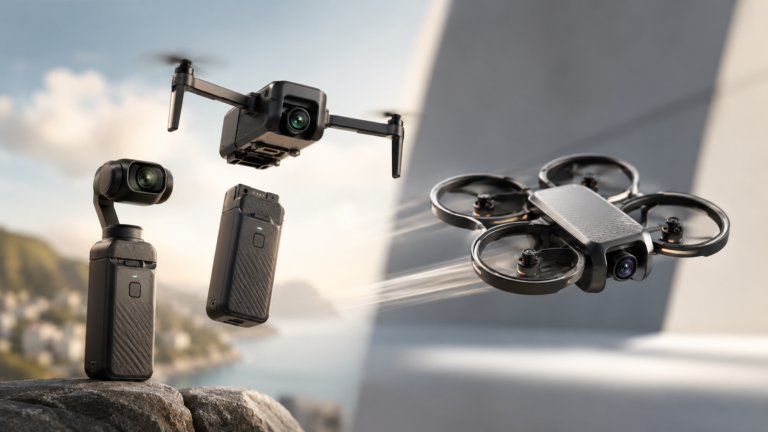
DJI’s already-authorized products do not stop working because of those rules, but future DJI models face a much harder U.S. approval process. That is why the U.S. availability of the DJI Air 4 and Mini 6 Pro remains uncertain; see Air 4 and Mini 6 Pro US availability. VERSA shows the same rule applies to modular designs.
The contrast with HOVERAir’s own AQUA, a waterproof self-flying camera built to take off and land on water, is now smaller than it first looked. Reporting earlier this year highlighted how the foreign-UAS restrictions created major uncertainty around AQUA’s U.S. availability. VERSA took a different design route, mainly because its selling point is a camera that works both on the ground and in the air, but ended up in a similar place.
VERSA specs
| Feature | HOVERAir VERSA |
|---|---|
| Product type | Handheld gimbal + flying camera |
| Video | Up to 4K/60fps |
| Flying weight | Approx. 230 g |
| Stabilization | 3-axis gimbal |
| AI tracking | Yes |
| Intelligent flight modes | 10+ |
| AI composition | Yes |
| 3D Worlds | Yes |
| U.S. FCC authorization | Announced at launch, then set aside by the FCC |
| Launch platform | Indiegogo |
| Starting price | From $499 reported |
TechRadar reports crowdfunding pricing from $499, though it varies by package and campaign stage. The weight and 4K/60fps figures come from launch information; for how VERSA stacks up on paper, see HOVERAir VERSA vs DJI Neo 2.
Should U.S. buyers back it?
Only if you want a handheld gimbal camera. The camera-only packages are what U.S. backers can order, and nothing says when, or whether, the Flight Kit will follow. Crowdfunding adds its own risks on top: campaign timelines, final hardware and shipping dates can all change. If you want a selfie drone in the U.S., buy one that is already authorized and on sale, and check it in our US drone ban checker first.
Still to watch: whether U.S. backers ever receive the complete camera-and-Flight-Kit system, and whether other makers try similar modular designs anyway. Our follow-up, why the FCC blocked VERSA, tracks it.
Selfie drones you can buy in the US
HOVERAir X1 Pro
Fold-and-fly selfie drone from Zero Zero Robotics, sold in the US.
151 g, 4K/60 and omnidirectional sensing. The current Neo you can buy in the US.
As an Amazon Associate, Drone Ranker earns from qualifying purchases. We do not quote prices because Amazon’s change by the hour.
The Friday Brief
One email a week on what changed in drones
FCC and FAA rule changes, DJI leaks checked against filings, and the week’s new comparisons. Every Friday, nothing else.
Free. Unsubscribe in one click. Sent with Kit; see our privacy policy.
Follow us on Google too: add Drone Ranker as a preferred source →
Continue Reading
All News