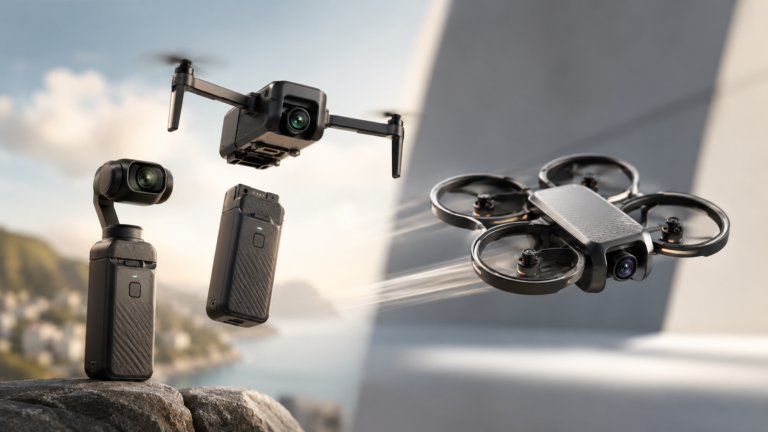
HOVERAir 3 at IFA 2026? It Appears to Be the HOVERAir VERSA

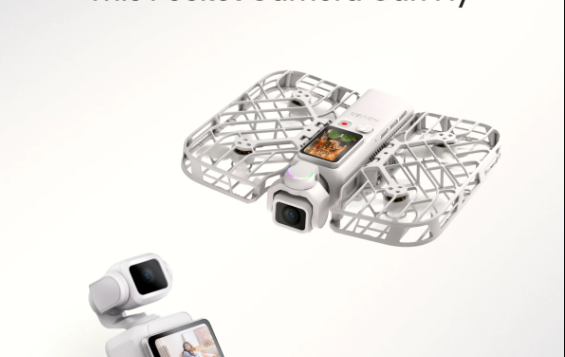
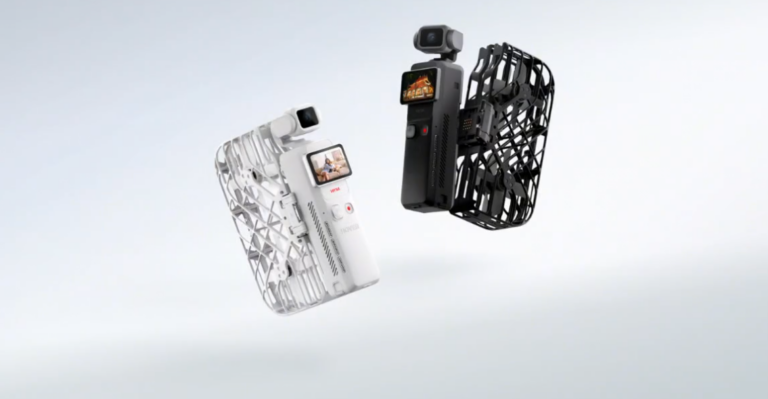
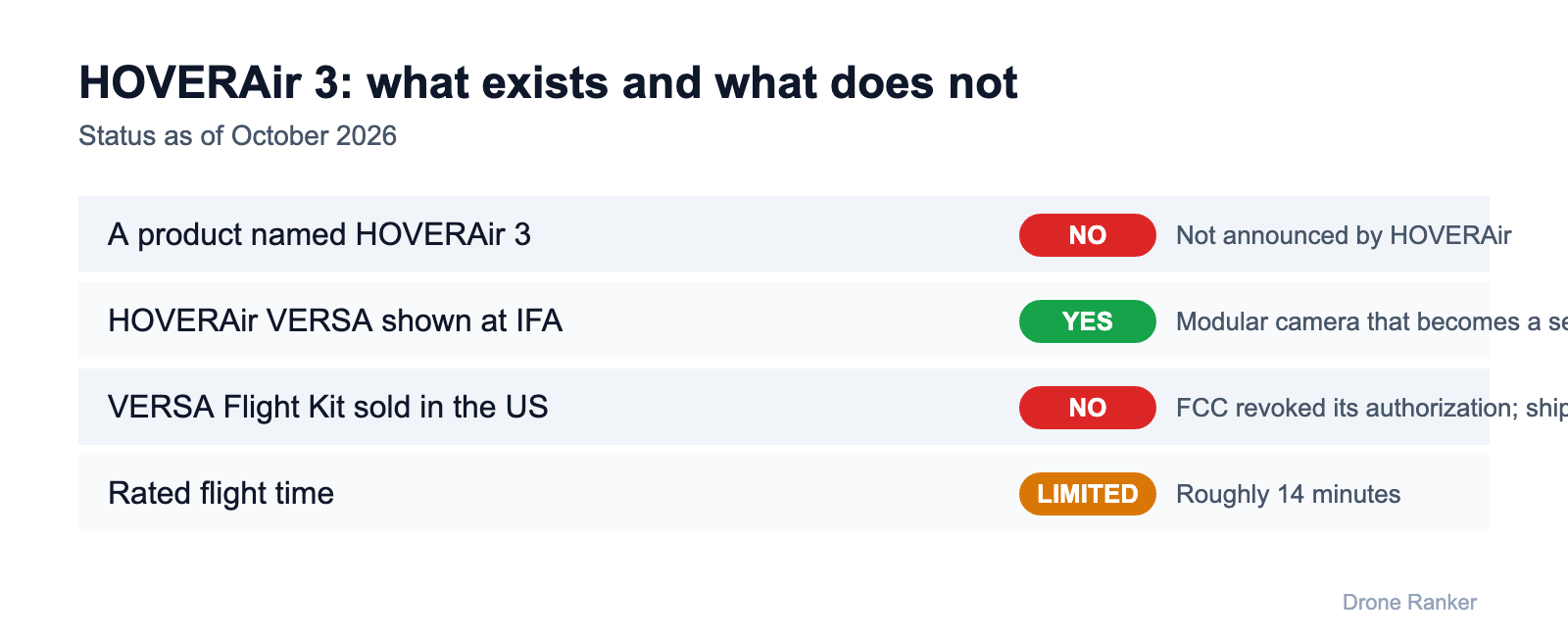
There is no confirmed HOVERAir 3. The device some IFA Berlin 2026 coverage called the “Hover Air 3” appears to be the HOVERAir VERSA, the company’s recently announced modular pocket camera that becomes a self-flying camera when you attach a Flight Kit.
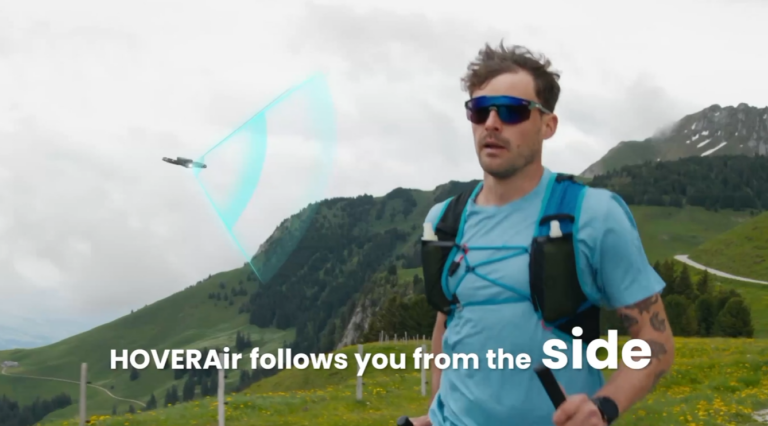
The name came from a hands-on video The Economic Times published on 7 September. It describes a “Hover Air 3” that works both as a handheld camera and a drone, flies for around 13 minutes and is built mainly for autonomous follow-me filming. That is a close match for VERSA, and HOVERAir itself does not list any product called HOVERAir 3.
Table of Contents
What HOVERAir showed at IFA
HOVERAir is exhibiting in Hall 20 at IFA Berlin 2026, and the official IFA listing names VERSA as its featured new product. IFA describes it as a compact camera combining a three-axis handheld gimbal with AI features; attach the Flight Kit and the same camera becomes an autonomous flying camera. HOVERAir also held a press event on 3 September, ahead of the main show, to promote VERSA as its newest travel product.
The company’s website makes no mention of a HOVERAir 3. Its current line-up is VERSA alongside AQUA, X1 Smart, X1 PRO and X1 PROMAX. The most likely explanation is that “HOVERAir 3” in the Economic Times video is simply a wrong label.
Why the mix-up is easy to make
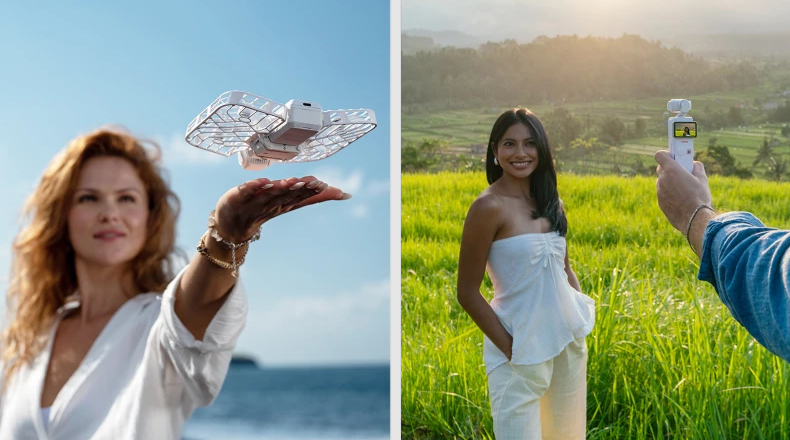
VERSA doesn’t look like most drones. It starts as a small handheld gimbal camera for stabilized recording on the ground. For an aerial view, the camera module clips into a light wing assembly with enclosed propellers and flies on its own. HOVERAir’s pitch is a camera in your hand that can take off and film you.
That matches almost everything in the supposed HOVERAir 3 hands-on: a handheld camera that converts into a drone, a focus on follow-me shots, and roughly 13 minutes of flight. HOVERAir rates VERSA for up to 14 minutes. The one-minute gap could easily come from rounding, conditions or the reporter’s description.
HOVERAir VERSA specs
With the Flight Kit attached, the system weighs less than 230 grams, under the 250-gram line many drone rules use. HOVERAir says it records up to 4K, and more detailed IFA coverage reports 4K at up to 60fps. The camera uses a 1/1.3-inch sensor, and the company claims unusually wide dynamic range for a device this small.
Other confirmed features include a mechanical three-axis gimbal, AI subject tracking, voice and gesture controls, more than 10 intelligent flight modes, and 3D Worlds, which flies a 360-degree loop around a scene and reconstructs it for interactive viewing.
Battery life is the trade-off. HOVERAir claims up to 180 minutes of 4K/30fps recording in handheld mode, but only around 14 minutes in flight. That is far shorter than a DJI Mini-series drone, though VERSA is aimed at a different buyer.
A camera that flies, not a drone
HOVERAir increasingly avoids calling its products drones and uses the term self-flying camera. The original X1 sold on autonomous palm-launched recording. The X1 PRO and PROMAX pushed toward higher-performance outdoor filming, and AQUA took the idea into water sports with an IP67 waterproof design.
VERSA goes another way: instead of carrying a pocket gimbal and a drone, you carry one camera module that does both jobs. HOVERAir’s own messaging quotes founder MQ Wang to the effect that people don’t necessarily want a drone; they want a camera that can fly. IFA 2026 looks like the company’s first big chance to show that idea to a mass consumer-tech audience.
Can you get it in the US?
This is the catch. VERSA’s modular design briefly looked like a route through the increasingly strict US rules on foreign-made drones. The FCC then revoked its equipment authorization after deciding the VERSA camera module still counts as a covered UAS critical component, and HOVERAir halted US shipments of the Flight Kit. Whether American buyers will be able to use VERSA as intended is now uncertain; more on that in the VERSA FCC ban.
Should DJI pay attention?
VERSA is not a DJI Mini competitor. Its roughly 14-minute flight time and autonomous-first controls, with little emphasis on long-range manual flying, put it in a different category. The closer rival is the DJI Neo 2 plus DJI’s pocket-camera range (see HOVERAir VERSA vs DJI Neo 2). A creator who now carries a small drone for third-person shots and a gimbal camera for handheld footage is exactly who HOVERAir wants to win over.
Whether one device can replace both will come down to image quality, tracking reliability, battery life and price, none of which can be judged from a trade-show listing. IFA did name VERSA an Innovation Awards honoree in the Best in IFA Next & Emerging Technologies category.
VERSA is more interesting than a routine X1 successor would have been, because it tries to sit in a new slot between pocket cameras and drones. But if you are waiting for a true HOVERAir 3, keep waiting. As of 7 September 2026 there is no product page, announcement or IFA listing for one. If HOVERAir confirms a separate model, this story will be updated with its specs, price and release date.
Selfie drones you can buy in the US
HOVERAir X1 Pro
Fold-and-fly selfie drone from Zero Zero Robotics, sold in the US.
DJI Neo 2
151 g, 4K/60 and omnidirectional sensing. The current Neo you can buy in the US.
As an Amazon Associate, Drone Ranker earns from qualifying purchases. We do not quote prices because Amazon’s change by the hour.
The Friday Brief
One email a week on what changed in drones
FCC and FAA rule changes, DJI leaks checked against filings, and the week’s new comparisons. Every Friday, nothing else.
Free. Unsubscribe in one click. Sent with Kit; see our privacy policy.
Follow us on Google too: add Drone Ranker as a preferred source →
Continue Reading
All News